
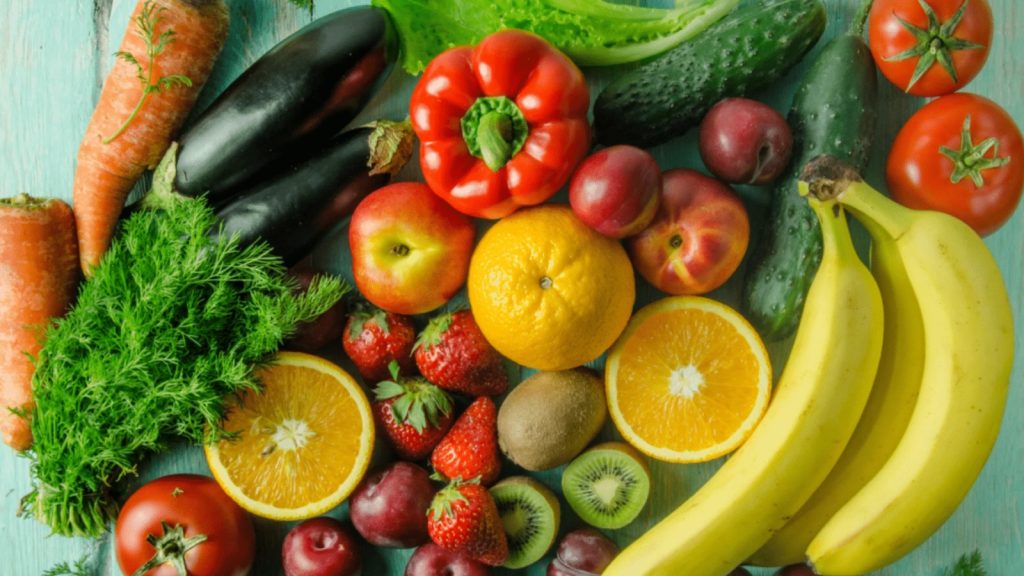
Rising grocery prices are affecting households worldwide. On average, grocery costs have increased significantly over the past year, impacting staple foods like eggs, milk, meat, and fresh produce. For fitness enthusiasts and health-conscious individuals, maintaining a nutritious diet without overspending can feel challenging—but it’s entirely possible with some strategic planning.
Here are 10 actionable tips to help you save on groceries while fueling your body with the nutrients it needs to perform at its best.
1. Plan Your Meals Ahead
Meal planning is the cornerstone of saving money and staying healthy. Creating a weekly meal plan—and writing a shopping list based on it—helps prevent impulse purchases and reduces food waste. Research shows that households discard around 30% of purchased food, so planning meals ensures you use what you buy.
Even a simple plan with a few dinners, lunches, and breakfasts can help you cook at home more often and avoid costly takeout, keeping your nutrition and budget on track.
2. Choose Cost-Effective Produce
Fresh fruits and vegetables are essential for a balanced diet, but you don’t always need the priciest options. Frozen, canned, or dried produce can be more affordable and still provide key vitamins, minerals, and fiber.
Substitute expensive ingredients with cheaper alternatives—like cabbage instead of mixed greens, onions instead of shallots, or frozen berries instead of fresh. Always prioritize using delicate produce first to prevent waste, or incorporate items nearing expiration into soups, stir-fries, or egg dishes.
3. Take Advantage of Sales and Discounts
Many stores offer weekly discounts, loyalty points, and coupons. If you shop online, virtual coupons or filtering items by sale price can also save you money.
A practical strategy is to check the sales first, then build your meal plan around discounted items, avoiding unnecessary purchases just because something is on sale.
4. Compare Unit Prices
Unit pricing allows you to see the cost per weight or volume of a product. Buying in bulk often saves money in the long run, but comparing unit prices ensures you’re making the most cost-effective choice, whether for cereal, grains, or pantry staples.
5. Rethink Protein Sources
Protein is often the priciest part of a diet, but there are ways to stretch your budget without sacrificing nutrition. Plant-based proteins like beans, lentils, or tofu are cheaper alternatives.
For meat lovers, choose less expensive cuts like chicken thighs, ground meats, or top round beef. You can also extend your protein by blending it with vegetables, grains, or legumes in recipes like stir-fries, casseroles, or burgers. Stocking up when protein is on sale and freezing portions for later is another effective strategy.
6. Understand Expiration Dates
Many “sell-by” or “best-by” dates reflect quality rather than safety. Paying attention to these dates, while using older items first, can reduce waste and save money. With proper storage and awareness, you can safely extend the life of many foods.
7. Shop Your Pantry and Freezer First
Before heading to the store, check your pantry and freezer. Using what you already have prevents unnecessary purchases and ensures nothing goes to waste. Even a forgotten bag of frozen vegetables or a box of pasta can be turned into a nutritious meal with a little creativity.
8. Buy in Bulk When It Makes Sense
Bulk purchases can be cost-effective, especially for staples like rice, oats, and frozen vegetables. Warehouse stores or larger packs at regular grocery stores often offer better value per unit. Just make sure you have storage space and can use items before they expire.
9. Explore Different Stores
Switching stores can help you find better prices on certain items. Discount grocers like ALDI, Trader Joe’s, or even dollar stores may have staples for less. While access varies globally, being flexible about where you shop can maximize savings.
10. Prioritize Smart Convenience
Convenience often comes at a premium—pre-cut vegetables, ready-made sauces, or pre-marinated proteins can be slightly more expensive. However, these items can save time, reduce waste, and prevent costly takeout. Use convenience wisely: frozen vegetables or pre-chopped produce can offer a balance between price and practicality.
Takeaway
Eating healthy while managing your grocery budget is possible with thoughtful planning and smart shopping strategies. By combining meal planning, cost-conscious choices, and flexible shopping habits, you can maintain a nutrient-rich diet without overspending, fueling your fitness and overall wellness goals.