
The most dangerous version of yourself isn’t the one that’s angry or sad—it’s the one that’s “hangry” at 6:00 PM with an empty fridge and a smartphone loaded with delivery apps.
We’ve all been there: standing in the kitchen, blinking at a shelf containing only a jar of pickles and some old mustard, while our primal brain screams for the nearest, saltiest, most calorie-dense option available. This is where the biological trap of overeating is set, and meal prepping is the only way to disarm it before it snaps shut.
By taking control of your food environment, you change the chemistry of your decision-making. Here are three ways meal prepping keeps your portions in check and your goals on track.
1. The Death of “Decision Fatigue”
Every choice you make during the day—from answering emails to navigating traffic—saps your willpower. By the time dinner rolls around, your “decision muscle” is exhausted. When you’re tired, your brain naturally gravitates toward high-calorie instant gratification. Meal prepping removes the need to choose. When the healthy choice is the only choice already sitting in a container, you bypass the mental struggle entirely, saving your willpower for things that actually matter.
2. Front-Loading Your Portion Control
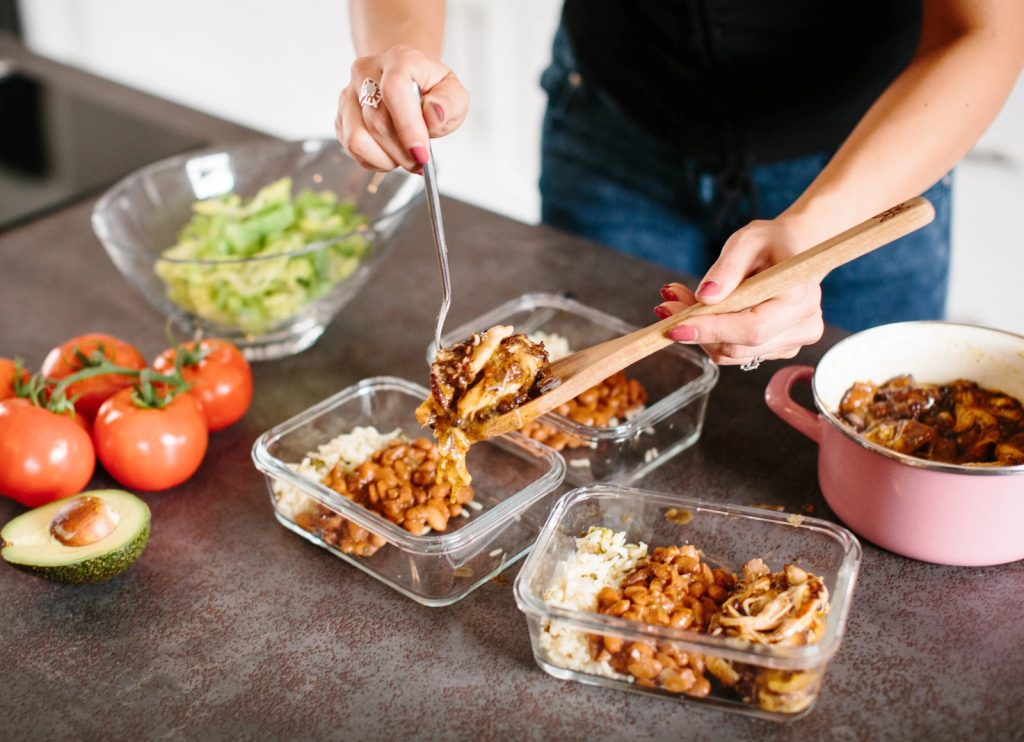
When we serve ourselves while we’re already starving, our eyes are almost always bigger than our stomachs. We pile on extra rice or take a second helping because our hunger hormones are peaking. Meal prepping forces you to portion your food when you are calm, hydrated, and rational. By dividing your meals into specific containers on a Sunday, you’re making a pact with your future self. You eat what’s in the box, and because the “extra” is tucked away for tomorrow, the temptation to graze is physically removed.

3. Stabilizing the Blood Sugar Rollercoaster
Overeating is often a physiological response to a blood sugar crash. When you skip meals or grab a quick sugary snack because you have nothing prepared, your insulin spikes and then crashes, leaving you ravenous. Prepped meals usually lean toward a balance of complex carbs, lean protein, and fiber. Having these ready means you eat at regular intervals, keeping your blood sugar on a smooth, steady path. This prevents the “emergency hunger” that leads to polished-off pizza boxes and midnight cereal bowls.
Conclusion
Meal prepping isn’t just about Tupperware and aesthetics; it’s a sophisticated psychological shield against your own impulses. It turns “What should I eat?” into “I’m ready to eat,” shifting the power back from your cravings to your long-term vision. If you can win the battle on Sunday afternoon, you’ve already won the war against overeating for the rest of the week.