
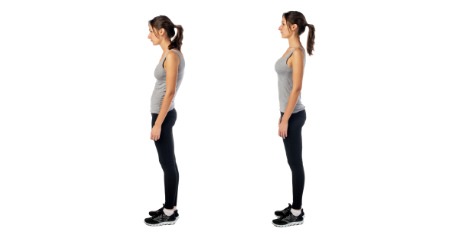
Many people assume that a small pouch in the lower belly is simply stubborn fat. They diet harder, add more cardio, or perform endless abdominal exercises, hoping the area will shrink. But in many cases, that lower belly protrusion is not just about body fat.
It can also be influenced by posture, muscle imbalance, and the position of the hips and pelvis. When the body falls out of alignment—often due to long hours of sitting or weak core and glute muscles—the hips can tilt forward.
This posture, known as anterior pelvic tilt, pushes the lower abdomen outward, making the belly appear larger than it actually is. The good news is that targeted strength and mobility work can help correct this imbalance.
Strengthen the Glutes to Pull the Hips Back
The glutes are among the most powerful muscles in the body, yet they are often underused—especially for people who spend much of the day sitting.
When the glutes are weak, the hips tend to tilt forward, which exaggerates the appearance of the lower belly. Strengthening the glutes helps bring the pelvis back into a more neutral position.
Exercises such as glute bridges are particularly effective because they activate the muscles responsible for hip extension. Over time, stronger glutes support better posture and reduce the forward tilt that contributes to a protruding abdomen.
Building glute strength also benefits the entire lower body, improving stability during walking, running, and strength training.
Stretch Tight Hip Flexors
While weak glutes can pull the pelvis forward, tight hip flexors can lock it there.
Hip flexors are the muscles at the front of the hips that help lift the legs. Sitting for long periods—whether at a desk, in traffic, or on a couch—causes these muscles to shorten and tighten. When this happens, they tug the pelvis into a forward tilt.
Regular hip flexor stretches can release this tension and allow the hips to return to a healthier alignment. When combined with glute strengthening, stretching helps restore balance between the front and back of the hips.
The result is not only improved posture but also a more natural abdominal position.
Train the Core and Upper Body for Better Posture
A strong core does more than create visible abs—it stabilizes the entire trunk and pelvis.
Exercises like dead bugs help train deep core muscles to control pelvic movement and maintain proper alignment. This stability prevents the lower back from arching excessively, which can make the stomach protrude.
Upper-body posture also plays a role. Movements such as band rows and face pulls strengthen the upper back and shoulders, helping keep the chest open and the spine aligned. When the shoulders and hips sit in the right position, the abdomen naturally appears flatter.
A Smarter Way to Address the Lower Belly
Reducing a lower belly pouch is not always about doing more crunches or cutting more calories. Sometimes the solution lies in improving posture, strengthening key muscles, and restoring balance in the body.
When the hips, core, and upper body work together properly, the belly often looks flatter—not because of a quick fix, but because the body is finally aligned the way it was meant to be.