
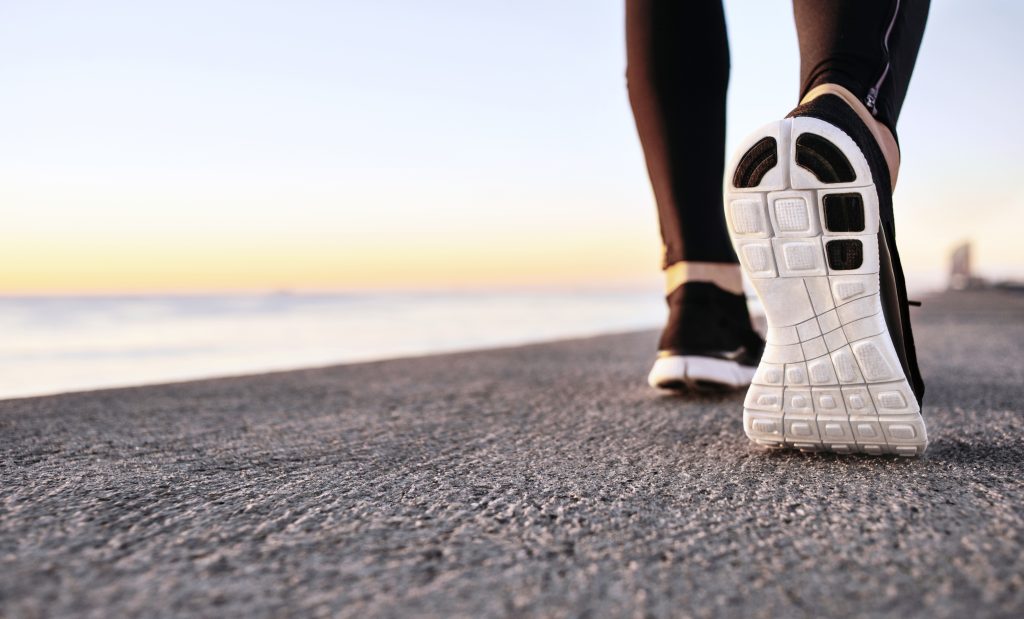
We often treat walking as the “consolation prize” of fitness. If we aren’t drenched in sweat or gasping for air on a treadmill, we feel like we haven’t really worked out.
But when it comes to visceral fat—that stubborn, deep-seated “hidden” fat wrapped around your internal organs—walking isn’t just a basic movement. It is a biological cheat code.
Visceral fat is more than a wardrobe nuisance; it’s metabolically active, sending out inflammatory signals that can mess with your health.
The good news? It’s incredibly sensitive to aerobic activity.
Here are four ways your daily walk acts as a targeted strike against it.
1. The Low-Intensity “Fat-Burning Zone”
While high-intensity sprints burn more total calories per minute, walking keeps you in a specific heart rate window where your body prefers to use fat as its primary fuel source rather than stored carbohydrates. Because walking is sustainable, you can stay in this “fat-burning zone” long enough to tell your body it’s safe to start tapping into those deep energy reserves—specifically the visceral stores.
2. Taming the Stress Monster (Cortisol)
High levels of the stress hormone cortisol act like a magnet for visceral fat, specifically signaling the body to store energy in the abdomen. Unlike a grueling 5-mile run, which can actually spike cortisol in an already stressed person, a brisk walk lowers it. By calming your nervous system, you’re essentially flipping the switch from “store fat” to “release fat.”
3. Improving Insulin Sensitivity
Every time you take a step, your muscles demand glucose. Walking makes your cells more “ears open” to insulin. When your insulin sensitivity improves, your body doesn’t need to overproduce the hormone to manage blood sugar. Since high insulin levels are a primary driver of belly fat storage, walking helps clear the path for your body to burn what it has already stored.
4. The NEAT Effect
Walking contributes to Non-Exercise Activity Thermogenesis (NEAT). Most people focus on the hour they spend at the gym, but the other 23 hours matter more for visceral fat loss. A habit of walking—to the shop, during a phone call, or after dinner—keeps your metabolic rate humming throughout the day, preventing the stagnant state that allows visceral fat to accumulate.
Conclusion
You don’t need a gym membership or expensive gear to reclaim your health. Walking is the most underrated tool in your fitness shed. It’s gentle on your joints but relentless on the fat that matters most. Start with twenty minutes, leave the phone in your pocket, and let your feet do the heavy lifting. Your organs will thank you.