
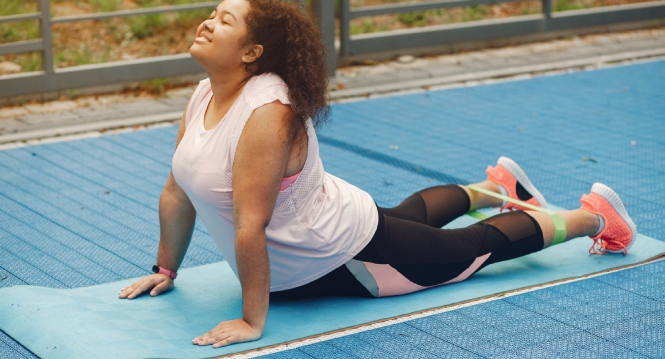
Lower back pain affects millions worldwide, often stemming from sedentary lifestyles, repetitive strain, muscle imbalances, or underlying conditions. While stretching cannot cure every cause, targeted exercises can relieve tension, improve flexibility in tight muscles, and enhance overall spinal mobility when performed consistently and correctly.
Experts recommend gentle, controlled movements that focus on the lower back, hips, glutes, and core. Always consult a healthcare provider before starting if pain is severe, recent, or accompanied by numbness, weakness, or radiating symptoms. Listen to your body, breathe deeply, and avoid forcing any movement.
Here are seven evidence-based stretches that can help reduce discomfort and support long-term back health:
- Child’s Pose
A classic restorative yoga posture that gently elongates the spine, glutes, and latissimus dorsi while releasing tension across the lower back, neck, and shoulders.

- Kneel on the floor, sit back on your heels, then fold forward, extending arms in front.
- Rest forehead toward the mat and breathe deeply for up to 1 minute.
- Modification: Place a rolled towel under thighs or widen knees for comfort.
2. Knee-to-Chest Stretch
Relaxes the hips, thighs, and glutes while gently decompressing the lumbar spine.
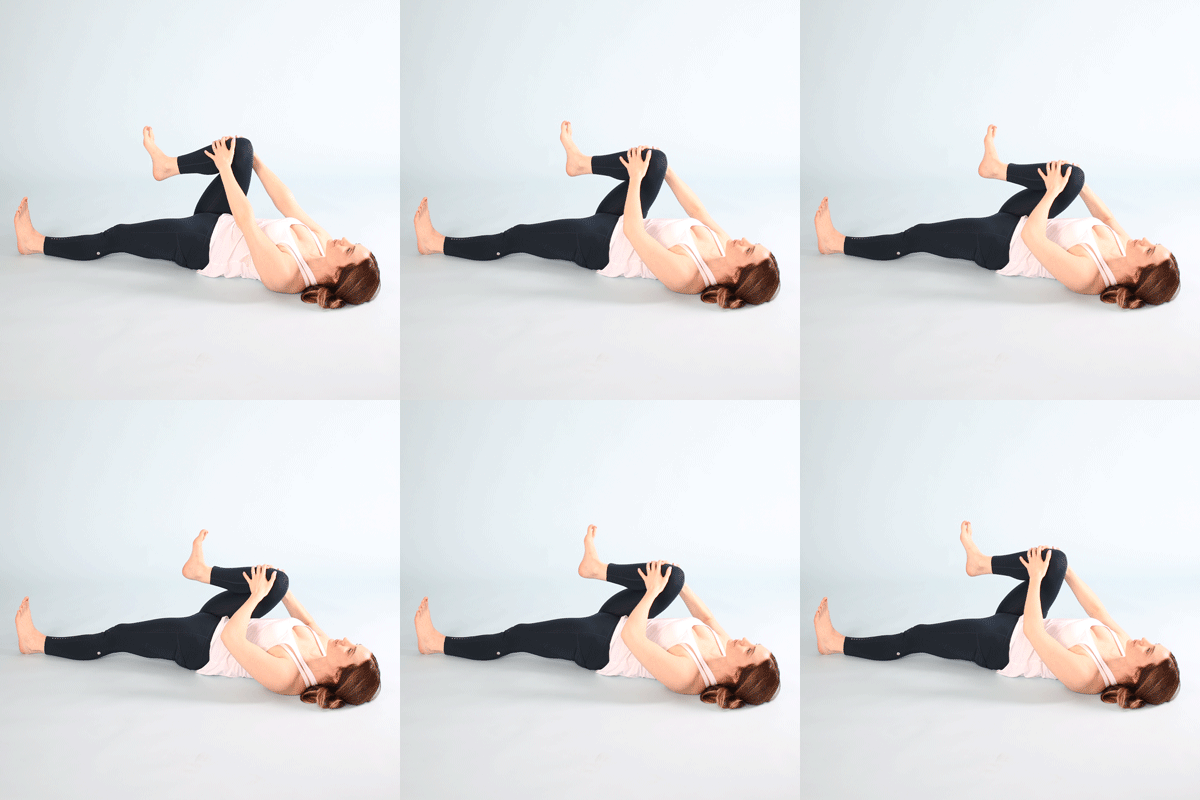
- Lie on your back, draw one knee toward your chest, holding behind the thigh or shin.
- Keep the opposite leg extended or bent; hold 30–60 seconds per side.
- Modification: Use a towel around the leg if flexibility is limited.
3. Piriformis Stretch
Targets the deep piriformis muscle in the buttocks, which, when tight, can contribute to lower back and sciatic discomfort.
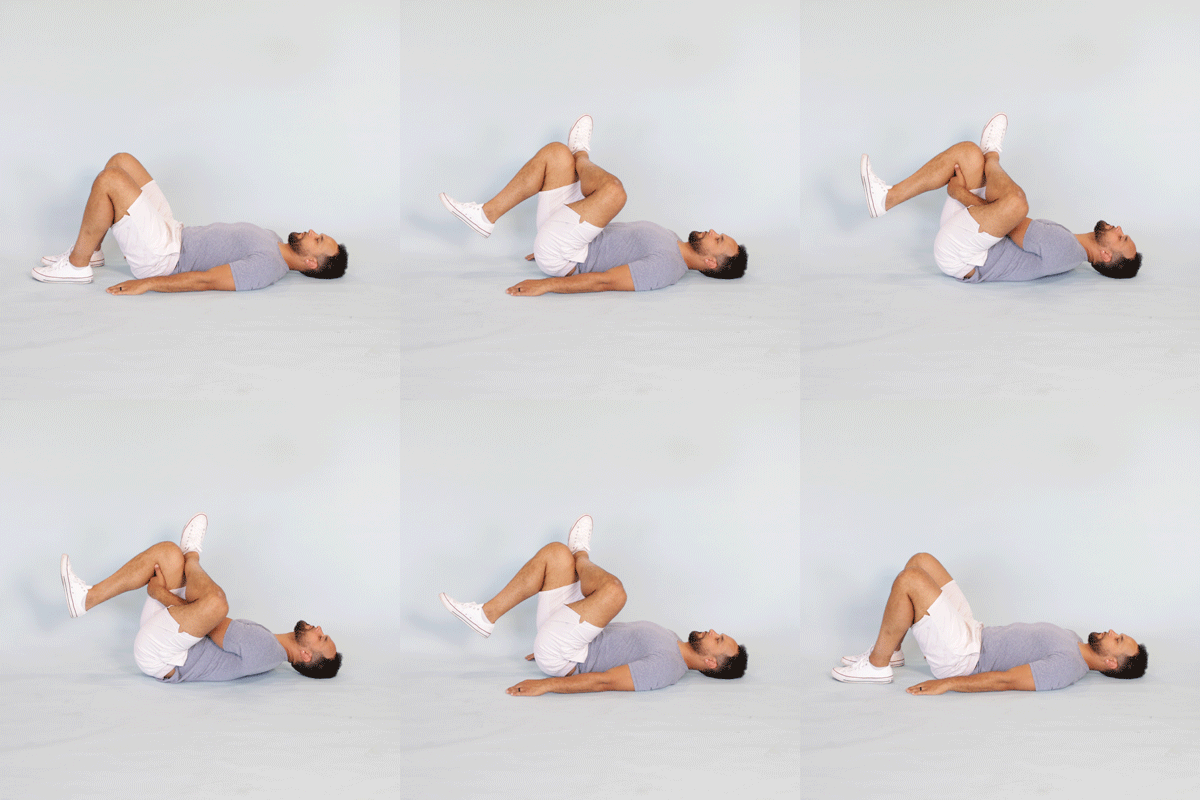
- Lie on your back, cross one ankle over the opposite thigh, then pull the supporting thigh toward your chest.
- Hold 30–60 seconds per side.
4. Seated Spinal Twist
Increases spinal mobility, stretches the hips and glutes, and stimulates abdominal organs.
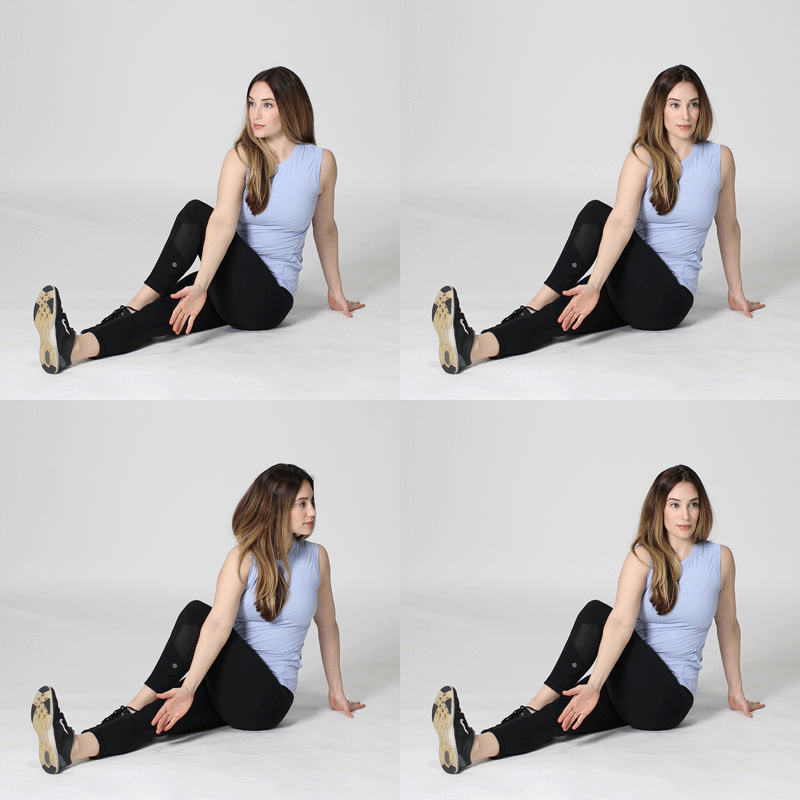
- Sit with legs extended, bend one knee and place foot outside the opposite thigh.
- Twist toward the bent knee, using the opposite arm for gentle leverage; hold up to 1 minute per side.
- Modification: Keep both legs straight for a milder version.
5. Pelvic Tilt
Strengthens deep abdominal muscles that support the lower spine and improves pelvic alignment.
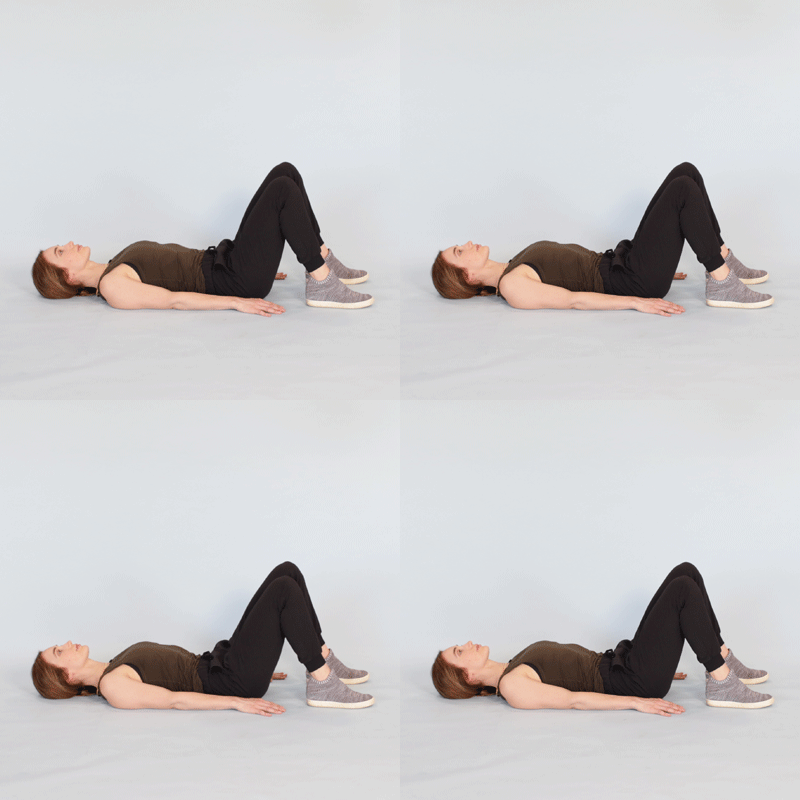
- Lie on your back with knees bent, feet flat.
- Tighten abs to flatten lower back against the floor; hold 10 seconds, repeat 3–5 times per set.
6. Cat-Cow Pose
Mobilizes the entire spine, relieves stiffness, and strengthens supporting muscles through controlled movement.

- On all fours, inhale to arch the back (Cow), exhale to round the spine (Cat).
- Flow with breath for 1–2 minutes.
7. Sphinx Stretch
A gentle backbend that strengthens the spine, glutes, and chest while opening the front body.

- Lie on your stomach, forearms under shoulders, lift chest while keeping pelvis grounded.
- Hold 30–60 seconds, gazing forward or slightly down.
Key Tips
- Perform stretches 1–2 times daily, holding each for 30–60 seconds.
- Breathe smoothly; never push into pain.
- Combine with core strengthening and low-impact cardio for best results.
- If pain worsens or persists, seek medical evaluation to rule out serious conditions.
Regular practice of these stretches can improve flexibility, reduce muscle tension, and support a healthier, more mobile lower back.