
Accra, Ghana – Lower back pain affects millions worldwide, often stemming from sedentary lifestyles, repetitive strain, muscle pulls, or even underlying conditions such as kidney stones or acute pancreatitis. While stretching alone isn’t a cure-all, targeted, gentle exercises can significantly reduce tension, improve flexibility in inflamed muscles, and enhance overall spinal mobility.
Health experts emphasize starting slowly, listening to your body, and consulting a doctor before beginning any new routine—especially if pain follows an injury or accompanies other symptoms. The National Institute of Neurological Disorders and Stroke (NINDS) advises favoring low-impact movements that strengthen the back and core while avoiding sudden jolts that could worsen strain.
Here are seven evidence-based stretches recommended for daily practice (once or twice a day), with modifications for comfort and safety:
- Child’s Pose
A classic yoga restorative pose that gently elongates the spine, glutes, and latissimus dorsi while releasing tension across the lower back, neck, and shoulders.
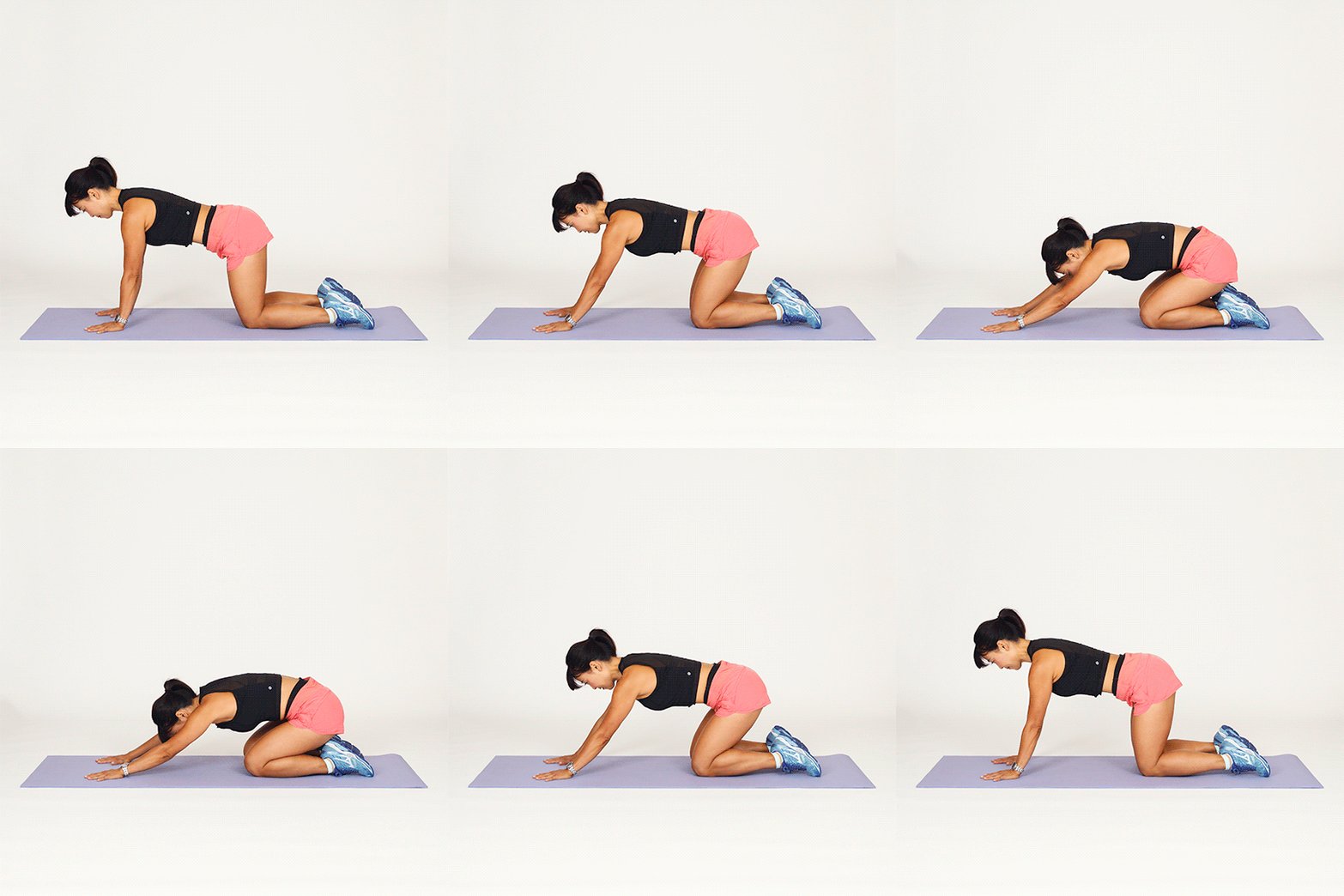
- Kneel on the floor, sit back on your heels, then fold forward, extending arms ahead and resting your belly on your thighs.
- Hold for up to 1 minute, breathing deeply.
- Modifications: Use a rolled towel under or over thighs for support; widen knees or rest forehead on a cushion if needed.
2. Knee-to-Chest Stretch
Relaxes hips, thighs, and glutes while promoting spinal decompression.

- Lie on your back, draw one knee toward your chest (hands behind thigh or shin), keep the other leg bent or extended.
- Hold 30 seconds to 1 minute per side.
- Modifications: Add a cushion under your head; wrap a towel around the leg if reaching is difficult; tuck chin to deepen the stretch.
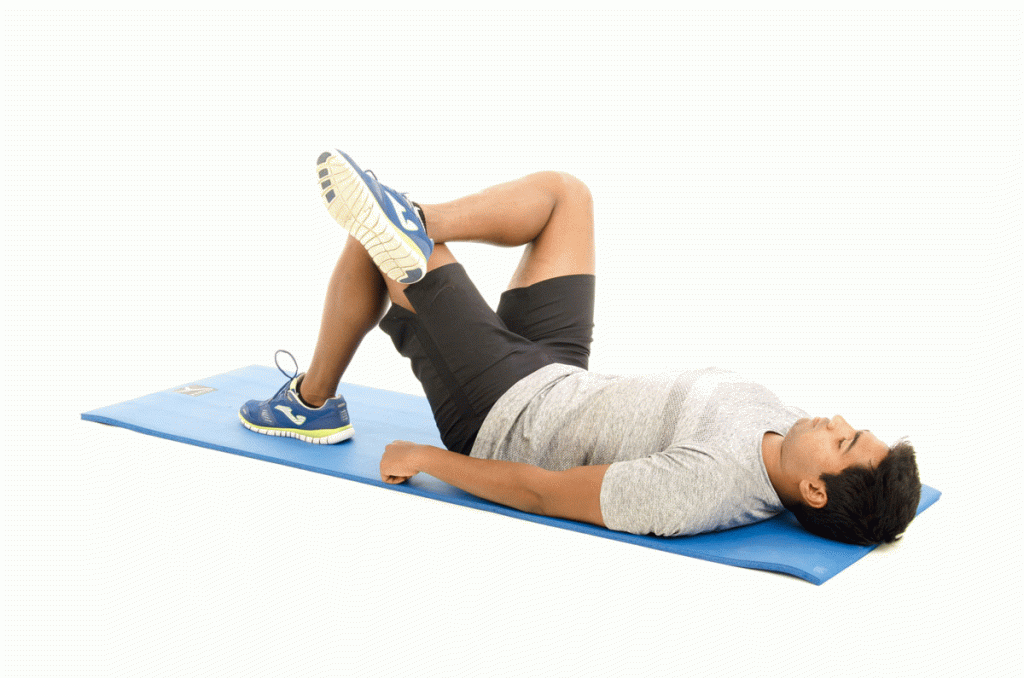
3. Piriformis Stretch
Targets the deep piriformis muscle in the buttocks, which can contribute to sciatic-like lower back and glute pain when tight.
- Lie on your back, cross one ankle over the opposite thigh, then pull the supporting thigh toward your chest.
- Hold 30 seconds to 1 minute per side.
- Modifications: Keep the bottom foot on the floor for a milder version; use a cushion under your head.
4. Seated Spinal Twist
Increases spinal mobility, stretches hips, glutes, abs, shoulders, and neck, and stimulates internal organs.
- Sit with legs extended, bend one knee and place the foot outside the opposite thigh, then twist toward the bent leg using the opposite arm for leverage.
- Hold up to 1 minute per side.
- Modifications: Keep both legs straight; add gentle neck rotations (5–10 each side) for extra release.
5. Pelvic Tilt
Strengthens abdominal muscles to support the lower back and reduce tightness in glutes and hamstrings.
- Lie on your back with knees bent, engage your core to flatten your lower back against the floor.
- Hold 10 seconds, repeat 3–5 times for 1–3 sets.
- Breathe normally and avoid arching.
6. Cat-Cow Pose
A dynamic flow that warms the spine, stretches shoulders, neck, and chest, and improves segmental mobility.
- On all fours, inhale to arch your back and lift your gaze (Cow), exhale to round your spine and tuck your chin (Cat).
- Flow for 1–2 minutes with breath.
- Modifications: Place hands forward if wrists hurt; cushion knees; hold each position 5–20 seconds for deeper work.
7. Sphinx Stretch
A gentle backbend that strengthens and stretches the spine, buttocks, and chest while remaining active yet relaxed.
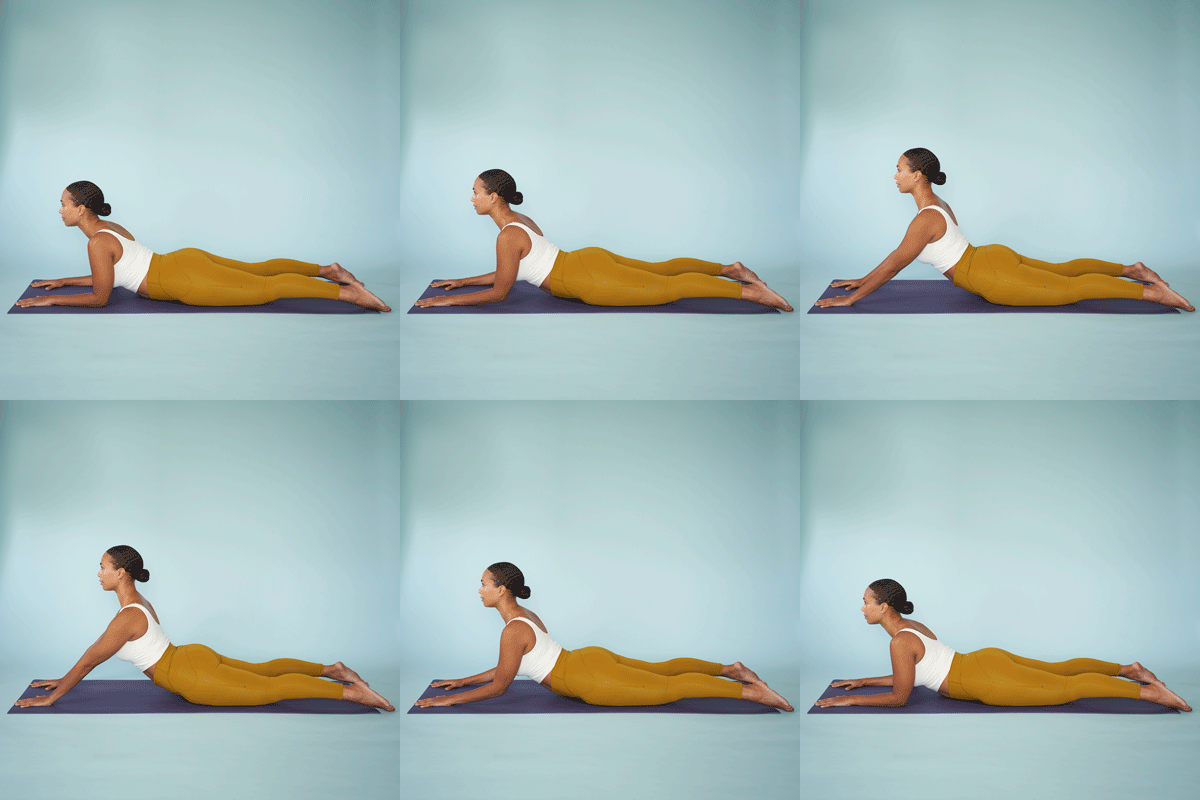
- Lie on your stomach, prop up on forearms (elbows under shoulders), press pelvis into the floor, and lift chest.
- Hold 30 seconds to 1 minute, breathing deeply.
- Gaze forward or close eyes.
Important Reminders
- Breathe smoothly and comfortably throughout—no holding your breath.
- Stop immediately if pain increases sharply; mild discomfort may be normal, but worsening symptoms warrant medical advice.
- Persistent or severe lower back pain may require professional evaluation (X-ray, MRI), physical therapy, medication, injections, or—in rare cases—surgery.
Incorporating these stretches regularly can foster long-term flexibility, reduce tension, and support core strength for everyday activities like walking, lifting, or simply getting out of bed.