
For many, the hardest part of a workout isn’t the final set of lunges, but the “staircase struggle” that follows forty-eight hours later. This physical tax—known as Delayed-Onset Muscle Soreness (DOMS)—is often viewed as a badge of honor, yet it can sideline even the most dedicated athletes. While most reach for the medicine cabinet to dull the ache, fitness experts are pointing toward a more sustainable recovery tool: the kitchen.
The Science of the “Micro-Tear”
DOMS occurs when intense physical activity causes microscopic damage to muscle fibers. While this sounds alarming, it is actually the catalyst for growth. As these fibers knit back together, they become denser and stronger. However, the speed of this “knitting” depends heavily on nutritional fuel.
“When you eat the right things after a workout, it tells your body to start the restoration process,” explains Amy Stephens, MS, RDN, a sports nutrition consultant. Without proper intervention, the inflammation that fuels recovery can instead lead to prolonged stiffness and fatigue, particularly for those balancing fitness with the sedentary demands of modern office life.
The Nutritional “Dream Team”
Recovery rests on a “dream team” of macronutrients: protein and carbohydrates. While protein provides the amino acids necessary to mend tissue, carbohydrates act as the spark. By triggering insulin secretion, carbs help transport those amino acids into the muscle cells more efficiently. Experts generally recommend a 3:1 ratio of carbohydrates to protein for optimal results.
Furthermore, micronutrients like Vitamin C and copper are vital for collagen synthesis, supporting the tendons and joints that bear the brunt of high-impact training.
Seven Foods to Fuel Your Recovery
- Eggs and Multigrain Toast: A classic pairing that balances high-quality protein with complex fibers.
- Dairy and Fruit: Yogurt and cottage cheese contain leucine, an amino acid that accelerates muscle synthesis. Pairing them with antioxidant-rich fruits like cherries or apples fights oxidative stress.
- Salted Almonds and Bananas: This combo replaces essential electrolytes like potassium and sodium lost through sweat.
- Salmon: Rich in omega-3 fatty acids, salmon acts as a natural anti-inflammatory.
- Turmeric: The active compound curcumin is a potent tool for reducing muscle tenderness.
- Bell Peppers: Red peppers offer more than 200% of the daily value of Vitamin C, crucial for connective tissue health.
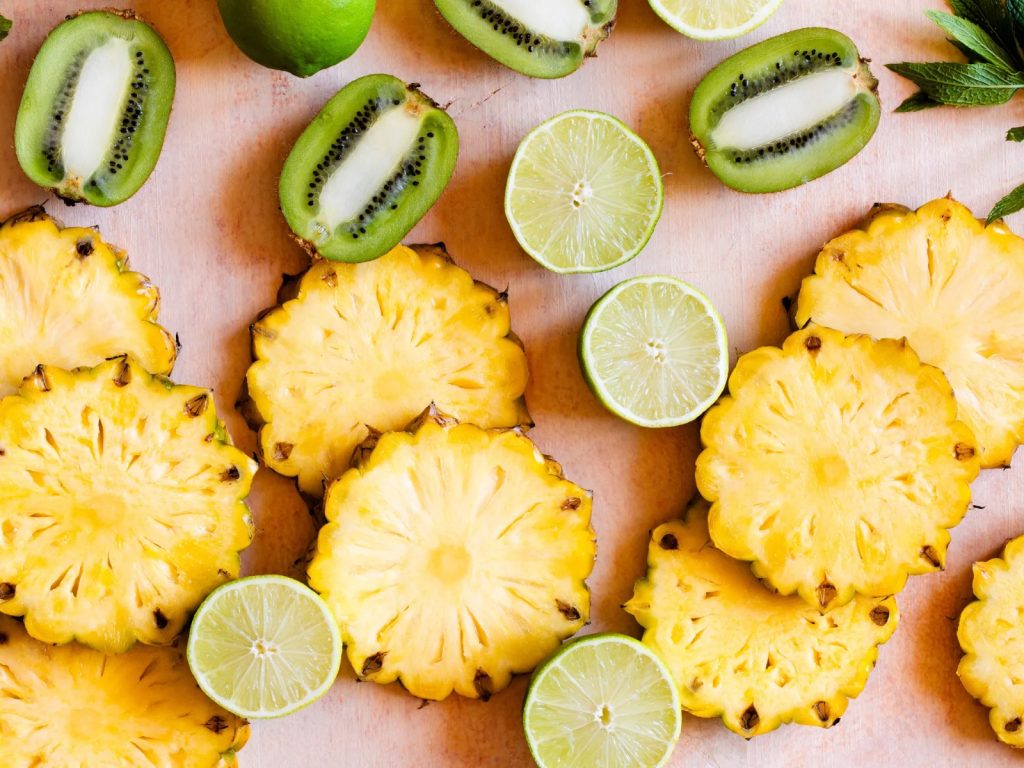
- Kiwi and Pineapple: These tropical fruits contain enzymes (actinidin and bromelain) that aid in protein digestion and reduce swelling.
The Timing Debate
The “anabolic window”—the idea that you must eat within 30 to 60 minutes of exercise—remains a popular guideline to jumpstart recovery. However, modern perspectives are shifting toward “protein pacing.” Personal trainer Tyler McDonald suggests spacing protein intake (roughly 0.4 to 0.5 grams per kilogram of body weight) every few hours throughout the day.
Ultimately, recovery is not a singular event but a daily arc. By focusing on nutrient-dense, whole foods, fitness enthusiasts can move past the soreness and get back to the movement they love.