
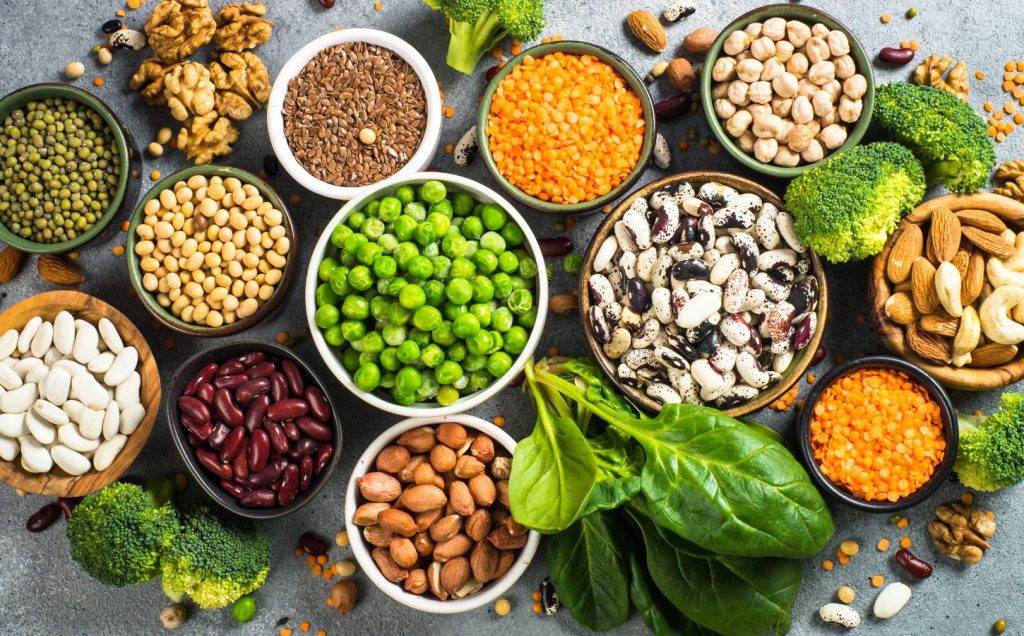
If you have ever wondered whether swapping your chicken for chickpeas would leave your muscles—or your planet—feeling a little thin, you are not alone in the “plant-curious” crowd.
The global shift toward plant-forward eating is no longer a niche trend; it is a full-scale movement. Whether you are browsing the markets of Accra for groundnuts and beans or scanning a supermarket in London for the latest soy-based burger, the rise of plant proteins is reshaping our plates.
But as we move away from animal sources, it is essential to separate the nutritional facts from the myths. Moving to a plant-based diet isn’t just about what you subtract; it’s about the powerful, fiber-rich, and environmentally sustainable fuel you add.
The Myth of the “Complete” Protein
For years, the gold standard of nutrition suggested that plant eaters had to meticulously “pair” foods—like rice and beans—at every meal to get a full profile of essential amino acids. Modern science, however, has largely debunked this stress. Research now shows that as long as you eat a varied diet throughout the day, your body is more than capable of pooling the amino acids it needs. You don’t need to be a chemist to be a vegan; a well-balanced mix of legumes, grains, and nuts provides more-than-adequate protein to keep your body thriving and your muscles building.
Fiber: The Secret Advantage
One of the most significant benefits of plant proteins is something animal products completely lack: dietary fiber. While a steak might provide protein, it offers zero fiber to aid your digestion. In contrast, staples like beans and lentils are dual-purpose powerhouses. They provide the satiety and muscle-repairing protein you need while simultaneously supporting gut health and reducing the risk of chronic conditions like type 2 diabetes. For those concerned about soy, the news is equally good; current research indicates that whole soy foods like tofu and edamame are not only safe but may even reduce the risk of certain cancers.
Eating for a Cooler Planet
Choosing plants over poultry isn’t just a win for your waistline; it’s a massive win for the environment. The data is striking: shifting to a plant-based diet can reduce your personal greenhouse gas emissions by up to 50%. Furthermore, the water footprint of beef is six times higher than that of pulses (like dried beans and peas). In a world facing increasing climate challenges, choosing plant-based proteins is one of the most impactful personal decisions you can make to conserve water and protect the global ecosystem.
Transitioning to plant-based proteins doesn’t require an all-or-nothing approach. By leaning into versatile staples like tofu, fiber-rich beans, and nutrient-dense nuts, you can nourish your body and the earth simultaneously. Start small, experiment with flavors, and let the plants do the heavy lifting.