
Protein has become one of the most talked-about nutrients in modern nutrition. From fitness influencers to food packaging labels, many everyday foods are promoted as “protein-packed.” But nutrition experts say that some of the items commonly associated with high protein content actually provide far less than people assume.
For individuals trying to support muscle recovery, stay fuller between meals, or meet daily nutrition goals, understanding where protein truly comes from is more important than ever.
The Protein Confusion
Protein is a key macronutrient responsible for building and repairing tissues, supporting immune function, and helping maintain muscle mass. Nutrition professionals often recommend aiming for about 15 grams of protein per meal to support satiety and muscle maintenance.
However, many foods marketed as high-protein options are actually secondary protein sources. That means they contain some protein but are primarily made up of other nutrients like fats or carbohydrates.
“Many foods people assume are high in protein actually deliver relatively small amounts,” nutrition experts explain. While these foods remain nutritious and beneficial, relying on them alone may not provide enough protein to meet dietary targets.
Foods That May Not Be as Protein-Rich as They Seem
Several commonly consumed foods fall into this category.
Peanut butter, for example, is often associated with protein, particularly in plant-based diets. But one tablespoon contains only about four grams of protein, while most of its calories come from healthy fats.
Similarly, chia seeds, a staple in smoothies and breakfast puddings, contain roughly four grams of protein in two tablespoons. They are rich in fiber and omega-3 fatty acids but shouldn’t be relied on as a primary protein source.
Pistachios and other nuts also tend to be viewed as protein-heavy snacks. In reality, a one-ounce serving of pistachios provides about six grams of protein, with most of the calories coming from fats.
Even quinoa, often praised for being a complete protein, contains around eight grams per cooked cup—more than many grains, but still less than typical high-protein foods like meat, dairy, or legumes.
Surprising Entries on the List
Some foods traditionally considered protein staples also contain less than expected.
A single egg, for instance, delivers about six grams of protein, meaning multiple eggs are needed to reach the recommended protein level for a meal.
Chickpeas, widely used in dishes such as hummus, provide about seven grams of protein per half-cup. While nutritious and high in fiber, they may need to be paired with other protein sources to meet daily targets.
Even certain dairy products can be misleading. Traditional yogurt contains around six grams of protein per serving, while Greek yogurt can provide more than double that amount due to its thicker, strained preparation.
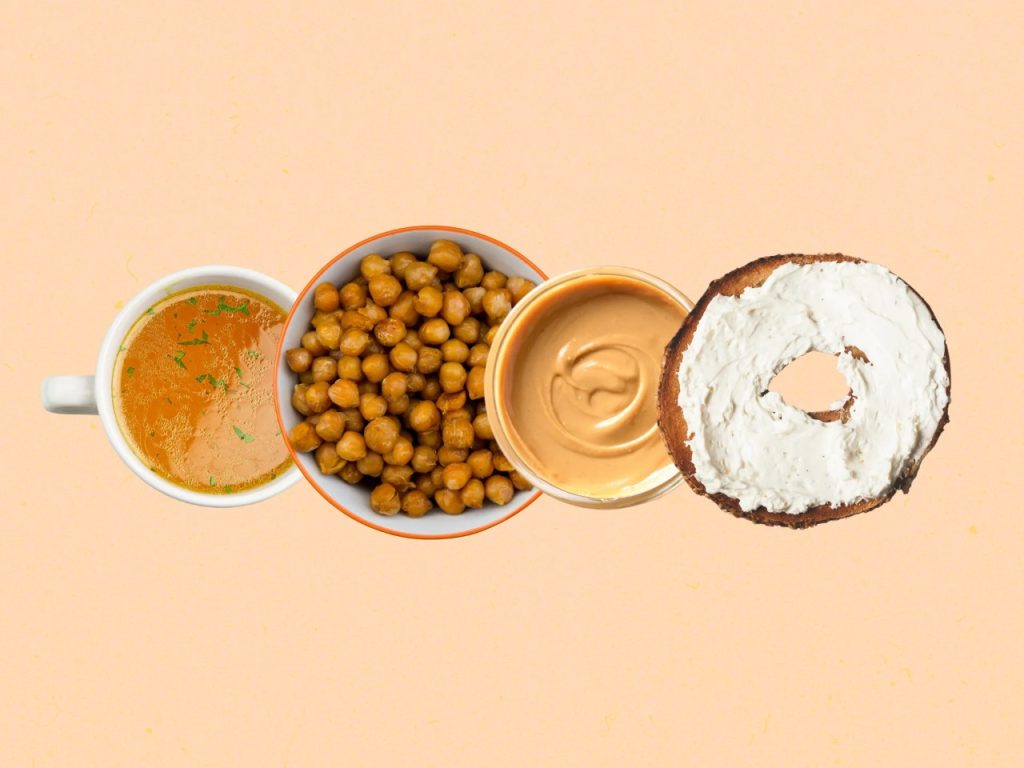
Other foods sometimes labeled as protein sources—including Brussels sprouts, avocado, cream cheese, and bone broth—contain relatively small amounts of protein compared with typical high-protein foods.
Building a Smarter Protein Plate
Nutrition experts emphasize that the goal isn’t to eliminate these foods. Many offer valuable nutrients such as fiber, vitamins, antioxidants, and heart-healthy fats.
Instead, the key is combining them with stronger protein sources.
For example:
- Pair chia pudding with soy milk or Greek yogurt.
- Add nuts or seeds to a yogurt bowl or oatmeal.
- Combine quinoa or chickpeas with tofu, beans, eggs, or lean meats.
- Top avocado toast with eggs or cottage cheese for a more balanced meal.
- This approach helps create meals that are both nutritionally balanced and satisfying.
A Balanced Approach to Nutrition
While protein continues to dominate nutrition discussions, experts say it’s important to remember that carbohydrates and healthy fats also play essential roles in the body. Carbohydrates provide energy for daily activities, while fats help absorb key vitamins and support cellular health.
In other words, foods that aren’t high in protein can still be incredibly valuable to overall health.
The takeaway is simple: understanding where protein truly comes from—and combining foods thoughtfully—can help people build meals that support energy, strength, and long-term wellbeing.