
Carbohydrates have long been cast as the villain of modern diets—but nutrition experts say the real story is far more nuanced.
From keto trends to low-carb meal plans, many people have grown wary of carbohydrates, often linking them to weight gain and chronic conditions like type 2 diabetes.
Yet emerging research and dietary guidance continue to highlight a different reality: not all carbs are created equal, and many high-carb foods are among the most nutritious options available.
Rethinking the role of carbohydrates
Carbohydrates are the body’s primary source of energy, especially important for brain function and physical activity. The problem, experts say, lies less with carbs themselves and more with the type being consumed.
Highly processed foods—such as sugary drinks, refined bread, and packaged snacks—tend to be stripped of fiber and nutrients. In contrast, whole, minimally processed foods rich in carbohydrates often come packed with vitamins, minerals, antioxidants, and fiber.
For individuals balancing busy work schedules, long commutes, and digital-heavy lifestyles, these nutrient-dense carbs can provide sustained energy and support overall health.
What healthy high-carb foods offer
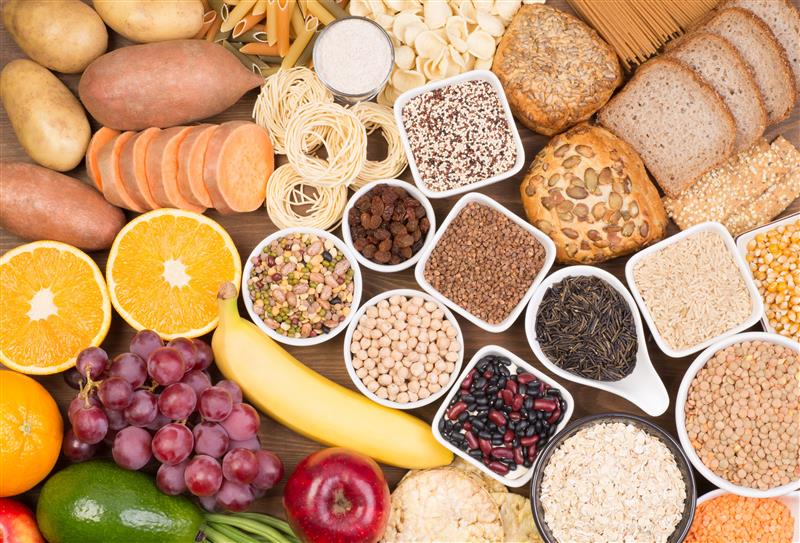
Whole grains and plant-based foods dominate the list of beneficial high-carb options. Foods like quinoa, oats, and buckwheat are rich in fiber and plant compounds that support heart health and blood sugar control. Oats, for instance, contain beta-glucan, a type of soluble fiber linked to lower cholesterol levels.
Fruits also play a key role. Bananas, oranges, apples, and berries provide natural sugars alongside fiber and antioxidants. These nutrients help regulate digestion, support immunity, and may reduce the risk of chronic disease. Blueberries, in particular, have been associated with improved cognitive function, especially in older adults.
Root vegetables such as sweet potatoes and beets offer another layer of benefits. Beyond carbohydrates, they supply essential vitamins like vitamin A and compounds that may support heart health and exercise performance.
Legumes—including kidney beans and chickpeas—stand out for combining carbohydrates with plant-based protein. This makes them especially valuable for those seeking balanced, affordable nutrition. They have also been linked to improved blood sugar regulation and digestive health.
Evidence-backed health benefits
A growing body of research supports the inclusion of these foods in a balanced diet. Diets rich in whole carbohydrates have been associated with better heart health, improved metabolic function, and enhanced gut health.
Fiber, a key component of many high-carb foods, plays a central role. It slows digestion, helps regulate blood sugar levels, and promotes a feeling of fullness—an important factor for weight management.
Additionally, antioxidants found in fruits and vegetables help protect the body from oxidative stress, which is linked to aging and chronic diseases.
Practical guidance for everyday eating
Nutritionists advise focusing on quality over quantity. Rather than eliminating carbohydrates, the goal should be to prioritise whole-food sources while limiting refined options.
For example, swapping white bread for oats or whole grains, choosing fruits over sugary snacks, and incorporating legumes into meals can significantly improve diet quality.
Portion control remains important, particularly for those managing specific health conditions or following lower-carb diets.
The bottom line
Carbohydrates are not the enemy—they are an essential part of a healthy diet when chosen wisely. By focusing on whole, nutrient-rich sources, individuals can enjoy the benefits of sustained energy, improved health, and better overall well-being. In today’s fast-paced world, that balance may be more important than ever.