
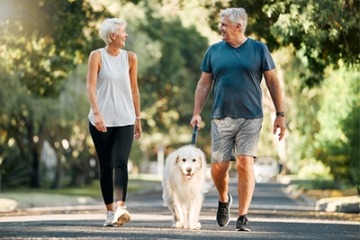
At dawn in Accra, the walking paths around the University of Ghana Sports Stadium begin to fill with retirees in sneakers, church friends stretching side by side, and grandparents briskly circling the track before the heat settles in.
A decade ago, many older adults saw exercise as something for the young. Now, a quiet shift is happening: people are no longer chasing intense workouts. They are chasing independence.
The real fear of aging is not wrinkles or grey hair. It is losing the ability to climb stairs without pain, carry groceries comfortably, or rise easily from a chair. Health experts increasingly say the answer lies in consistent movement — especially strength and balance exercises that help the body stay capable for longer.
After age 30, adults naturally begin to lose muscle mass. By the time many people reach their 60s, that gradual decline can affect balance, mobility, and energy levels.
Yet research continues to show that small, regular movement can slow that process dramatically. The encouraging part is that it does not require expensive gym memberships or marathon training.
Across Ghana, older adults are finding creative ways to stay active. Some join community walking groups in neighbourhoods like East Legon and Kumasi’s Danyame area.
Others turn household chores into movement routines — sweeping compounds, gardening, washing cars, or dancing while cooking Sunday meals. Even carrying grandchildren can count as strength activity.
What matters most is consistency. A 10-minute walk repeated several times a week can improve heart health and mood. Simple chair squats while watching television can strengthen leg muscles that protect against falls.
Balance exercises, such as standing on one foot while holding a sturdy surface, help maintain stability that often weakens with age.
Social connection also plays a surprisingly powerful role. Older adults who exercise with friends or family are more likely to stick with routines. That may explain the growing popularity of community aerobics sessions in parks and church compounds across Ghana.
The biggest lesson is this: aging well is less about pushing harder and more about continuing to move. The body responds to care at every age.
A slower walk still counts. Stretching still counts. Dancing in the living room still counts. And sometimes, those small daily movements become the difference between simply growing older and continuing to live fully.