
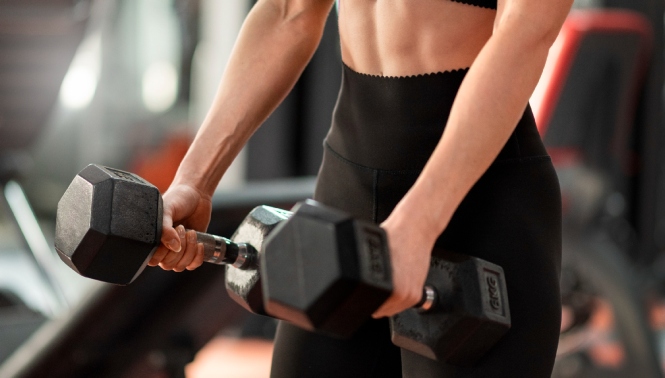
If you treat your body like a disposable rental car, don’t be surprised when the wheels fall off just as you’re reaching peak performance. We often obsess over the size of our biceps or the weight on the deadlift bar, but the “connective tissue” holding that muscle to the bone is the true unsung hero of the gym.
You can have the strongest engine in the world, but if the chassis is rusted and the bolts are loose, you aren’t going anywhere. To lift heavy for decades rather than months, you must stop viewing joint health as an afterthought and start seeing it as the ultimate insurance policy for your strength.
Here is how to bulletproof your elbows, knees, and shoulders while still chasing the heavy iron.
1. Respect the “Cold Starts”
Think of your synovial fluid—the lubricant in your joints—like engine oil in a vintage car. When you’re cold, it’s thick and sluggish. If you jump straight into a heavy set of squats, you’re essentially metal-on-metal. A dynamic warm-up isn’t a suggestion; it’s a biological requirement to “thin the oil” and prime the joint capsule for the heavy loads to come.
2. The Tempo Tax
Ego-lifting is the fastest way to a surgeon’s table. When you “bounce” a bench press off your chest or use momentum to curl, you are shifting the stress away from the muscle and slamming it directly into your tendons and ligaments. By slowing down the eccentric (lowering) phase of your lifts, you keep the tension where it belongs: on the muscle fibers. Your joints will thank you for the smooth ride.
3. Variation as a Virtue
Performing the exact same heavy movement pattern every single week creates “overuse” tracks in your cartilage. If you only ever flat bench with a barbell, your shoulders eventually bear the brunt of that fixed path. Swapping to dumbbells or a slight incline once in a while changes the “angle of attack,” allowing micro-stresses to recover rather than accumulating into a chronic injury.
4. Hydration and the “Cushion” Factor
Your cartilage is roughly 65% to 80% water. When you are even slightly dehydrated, your joints lose their shock-absorbing capacity. Lifting heavy while “dry” is like jumping on a trampoline with broken springs. If you want your joints to feel “cushioned” under a heavy load, you need to stay on top of your electrolyte and water intake throughout the day, not just during your workout.
5. Listen to the “Check Engine” Light
There is a massive difference between “muscle burn” and “joint ache.” Muscle pain is progress; joint pain is a warning. If a movement feels sharp, grinding, or “sketchy,” stop immediately. Powering through joint pain doesn’t make you a warrior; it makes you a future physical therapy patient. Live to lift another day by adjusting your grip, stance, or exercise choice.
Summary
The goal isn’t just to be the strongest person in the room today; it’s to be the person who is still lifting heavy, pain-free, twenty years from now. Strength is a marathon, not a sprint, and your joints are the vehicle that gets you to the finish line. Treat them with the same intensity you bring to your training, and they will support your heaviest goals for a lifetime.