
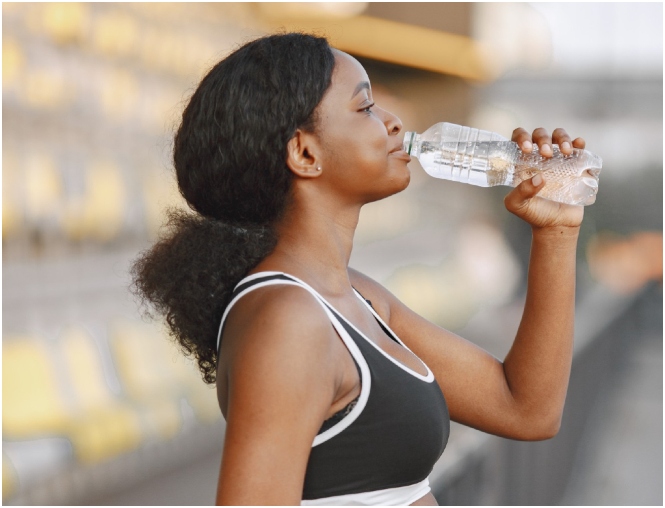
High blood pressure (hypertension) affects millions worldwide and is a major risk factor for heart disease, stroke, and kidney problems. While medications and lifestyle changes remain the cornerstone of treatment, emerging research highlights a simple, everyday habit that may offer meaningful support: staying well-hydrated with plain water.
According to experts, drinking adequate water can help lower blood pressure—especially if you’re currently dehydrated. A 2022 study found that people with hypertension tend to be less hydrated than those with normal readings. When the body lacks sufficient fluids, blood volume drops, causing blood to become more concentrated. This triggers higher sodium levels, prompting the release of vasopressin—a hormone that constricts blood vessels and raises pressure on arterial walls.
By restoring proper hydration, water helps maintain normal blood volume, reduces vasopressin release, and eases strain on the cardiovascular system. The effect is most pronounced in cases of mild to moderate dehydration rather than as a standalone cure for chronic hypertension.
How Much Water Is Enough?
Health authorities commonly recommend about 6–8 glasses (roughly 64 fluid ounces or 1.9 liters) of water per day as a baseline for adults. However, individual needs vary based on age, sex, body weight, climate, physical activity level, pregnancy, or breastfeeding status. Hot weather, exercise, or illness can increase requirements significantly.
Importantly, balance is key: overhydration (hypervolemia) can raise blood pressure by increasing overall fluid volume and stressing vessel walls. Conditions like kidney disease, heart failure, liver cirrhosis, or excessive sodium intake are common triggers for fluid retention and should be managed under medical supervision.
Other Hydrating Drinks That May Support Blood Pressure
Beyond plain water, certain beverages show promise in research:
- Beet juice — Rich in nitrates that dilate blood vessels; daily intake linked to lower systolic pressure.
- Unsalted tomato juice — Associated with improved blood pressure and cholesterol in long-term studies.
- Pomegranate juice — Polyphenols may reduce readings, per meta-analyses of randomized trials.
- Cranberry juice — Shown to decrease pressure in overweight adults with hypertension over 8 weeks.
- Green or black tea — Regular consumption (especially green tea) over months tied to modest reductions.
- Electrolyte-enhanced water — Drinks with magnesium, calcium, or potassium may offer added vascular benefits, while high-sodium options should be avoided.
A Broader Approach to Managing Hypertension
Hydration is only one piece of the puzzle. Experts stress combining adequate fluid intake with proven heart-healthy strategies:
- Follow a low-sodium, potassium-rich diet (e.g., DASH diet emphasizing fruits, vegetables, whole grains, and lean proteins).
- Aim for at least 150 minutes of moderate or 75 minutes of vigorous exercise weekly.
- Quit smoking and limit alcohol.
- Achieve and maintain a healthy weight.
- Prioritize 7–9 hours of quality sleep nightly.
- Practice stress reduction through meditation, mindfulness, or relaxing activities.
Anyone with diagnosed hypertension or concerns about blood pressure should consult a healthcare provider before making major changes to fluid intake or diet—especially if taking medications or managing chronic conditions.
Drinking enough water is a low-cost, accessible step that supports overall cardiovascular health. For many, it may be an easy win in the ongoing effort to keep blood pressure in check.