
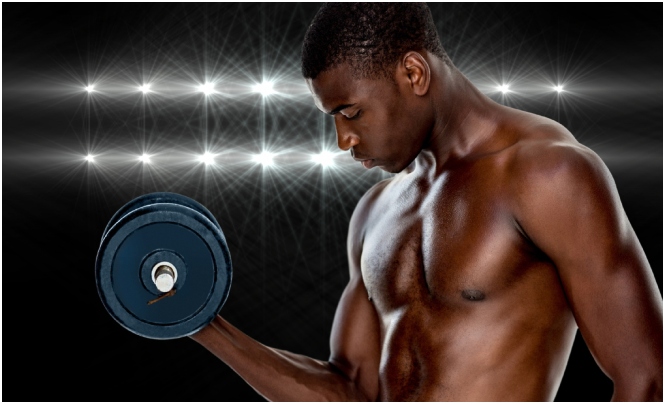
While many people view a glass of wine or a beer as a harmless reward after a tough workout, emerging research shows that alcohol consumption—even at moderate levels—can significantly impair exercise recovery, muscle growth, performance gains, and long-term fitness progress.
\Experts have examined the physiological effects of alcohol on the body in the context of an active lifestyle, drawing on studies from sports medicine, nutrition science, and exercise physiology. Key findings include:
- Delayed Muscle Repair and Growth — Alcohol suppresses protein synthesis (the process of building new muscle tissue) by up to 37% when consumed post-exercise. It also elevates cortisol (a catabolic stress hormone) while lowering testosterone, creating a hormonal environment that favors muscle breakdown over repair.
- Impaired Recovery and Increased Soreness — Drinking after training reduces glycogen replenishment in muscles and the liver, slows clearance of metabolic waste, and amplifies inflammation — all of which prolong recovery time and intensify delayed-onset muscle soreness (DOMS).
- Reduced Performance the Next Day — Even one night of moderate drinking (2–3 standard drinks) can decrease strength output, aerobic capacity, and reaction time by 5–15% during subsequent workouts. Dehydration from alcohol exacerbates these effects.
- Disrupted Sleep Architecture — Alcohol fragments deep (slow-wave) and REM sleep stages — the periods when most muscle repair, hormone release (including growth hormone), and central nervous system recovery occur. Poor sleep quality from drinking can negate much of the benefit from training.
- Calorie Surplus Without Nutritional Value — Alcohol provides 7 calories per gram (almost as dense as fat) but no micronutrients, protein, or fiber. Those calories often lead to unintended overeating (via reduced inhibitions and altered hunger signals), making fat loss or body recomposition harder.
The feature highlights dose-dependent effects: light drinking (≤1 drink per day) appears to have minimal impact for most healthy adults, but anything beyond that — especially post-workout or on consecutive days — measurably interferes with adaptation to training.
Practical recommendations for active individuals include:
- Avoid alcohol within 4–6 hours after intense workouts to protect the anabolic window
- Prioritize rehydration and nutrient-dense meals before consuming alcohol
- Limit intake to 1 standard drink (≈14 g pure alcohol) on training days, ideally earlier in the evening
- Choose lower-alcohol options (e.g., light beer, wine spritzers) and alternate with water
- Plan alcohol-free recovery days after heavy sessions
Experts stress that while complete abstinence isn’t necessary for everyone, strategic timing and moderation are key to maximizing the return on investment from exercise. For those chasing performance, body composition, or longevity goals, reducing or eliminating alcohol often yields faster, more consistent progress than any single supplement or training tweak.