
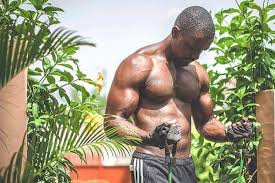
The quest for lean muscle is often associated with expensive gym memberships, imported supplements, and pricey cuts of chicken and beef. But here in Ghana, we know that true strength comes from resourcefulness. You don’t need an imported tub of expensive protein powder to build a physique you’re proud of. Some of the best muscle-building fuel is already in your kitchen, or available for a few Cedis at your local market.
Whether you’re training in a gym in Accra or doing calisthenics in Kumasi, these four guidelines will show you how to harness local, affordable ingredients to pack on lean mass effectively.
1. Make “Seeds and Legumes” Your Foundation (Not Just a Side Dish)
When building muscle on a budget, you have to look beyond just meat and fish. Legumes (beans and peas) and seeds are nutritional goldmines. They provide a dual-action benefit for muscle growth: they are rich in plant-based protein for repair and complex carbohydrates for the energy you need to push through heavy lifting sessions.
For the Ghanaian lifter, two champions stand out: Soybeans and Agushie (Egusi/Melon seeds).
- Soybeans (Local or Soya Khebab): Soy is one of the few complete plant proteins, meaning it contains all the essential amino acids your body needs to build muscle, much like meat or eggs. You can buy dried soybeans in bulk, boil them, and eat them as a snack.
- Practical Application: Don’t just see soya as a street food. Buy the raw beans, boil them soft, and add them to your stews or a bowl of rice. Alternatively, look for soya chunks (textured vegetable protein) in the market. They are dried, last forever, and when rehydrated in hot water and added to a light stew, they absorb the flavor perfectly and provide a chewy, meaty texture at a fraction of the cost of beef.
- Agushie (Melon Seeds): This is a powerhouse. While we often use it as a thickener for soup, it is actually a concentrated source of protein and healthy fats. It’s calorie-dense, which is important when you are in a muscle-building phase and need a surplus of energy.
- Practical Application: Grind your agushie and use it to prepare a protein-packed stew with kontomire (cocoyam leaves). This combination creates a meal that is rich in protein, iron, and vitamins—perfect for recovery.
This guideline introduces international readers to the concept of “seed-based proteins.” In Western markets, “pumpkin seed protein” is sold as a premium, expensive health food. Here, you are showing the world that the original, unprocessed source (agushie) is a fraction of the cost and easily accessible.
2. Utilize “Whole-Fish Nutrition” with Small, Mighty Species
One of the biggest mistakes new bodybuilders make is only eating expensive, large cuts of meat like chicken breast or tilapia fillets. In Ghana, we have access to some of the most nutrient-dense foods on the planet, often overlooked because they are “small” or considered “poor people’s food.” We are talking about Keta School Boys (Amane/Waa-Waa) and Anchor (Stoned Fish).
These small fish are not just protein sources; they are whole-food multivitamins. Because you eat them whole—including the head, skin, and bones—you get a massive dose of calcium and phosphorus.
- Why this builds muscle: Calcium isn’t just for bones. Every time you lift a heavy weight, you create micro-tears in your muscle fibers. For your muscles to contract properly during your next workout and for the repair process to happen, your nervous system requires calcium. A deficiency can lead to weak contractions and poor recovery.
- Practical Application:
- Keta School Boys: These are best fried until crispy. You can eat them whole as a snack, or crush them up and sprinkle them over your banku or rice. They add a salty, umami flavor and a protein boost.
- Anchor (Stoned Fish): Soak them to remove excess salt, then fry or add them to stews late in the cooking process. They add an intense depth of flavor and, because they are dried, they are incredibly cheap and have a long shelf life.
The global fitness community is currently obsessed with “bone broth” for its collagen and mineral content. By eating small fish whole, you are essentially eating the “solid version” of bone broth with every meal. It’s a concept that fascinates nutritionists worldwide.
3. Time Your Carbs Strategically Around Local Staples
Protein builds muscle, but carbohydrates fuel the workout that tears the muscle so it can grow. Eating the right carb at the right time is a strategy used by elite bodybuilders globally, and you can do it easily with Ghanaian staples.
The key is understanding the Glycemic Index (how fast a carb hits your bloodstream) and matching it to your activity.
- Pre-Workout Fuel (The Energy Boost): You need slow-release energy to get through a squat session without crashing. This is where Kenkey (Ga kenkey/ Fante kenkey) or Boiled Yam shine. These are complex carbohydrates. They digest slowly, providing a steady stream of glucose to your muscles over 2-3 hours.
- Practical Tip: Eat a small portion of kenkey with a boiled egg or a small piece of fish about 2 hours before your workout.
- Post-Workout Fuel (The Recovery Window): After lifting, your muscles are screaming for nutrients. You need fast-digesting carbs to spike your insulin (which drives protein into your muscles) and replenish glycogen stores. This is where Rice (especially in a simple Jollof without too much oil) works perfectly. Even a ripe Plantain (Boredi/ Kwadu) is excellent because its natural sugars digest quickly.
- Practical Tip: After your workout, your meal should be your protein source (e.g., grilled chicken or agushie stew) paired with white rice or boiled ripe plantain.
The concepts of “carb cycling” and “nutrient timing” are complex sciences. This guideline simplifies it for the global audience by using universally understood concepts (slow/fast carbs) grounded in local examples, showing that you don’t need special “pre-workout” supplements, just the right food at the right time.
4. Don’t Fear Healthy Fats (Look to Groundnuts and Avocado)
Many beginners trying to build lean muscle make the mistake of eating “clean” by cutting out all fats. This is a critical error. Your body needs dietary fat to produce testosterone, the primary hormone responsible for muscle growth. Without adequate healthy fats, your body cannot build muscle efficiently, no matter how much protein you eat.
Ghana offers two of the best sources of healthy, muscle-building fats in the world: Groundnuts and Avocado (Paya).
- Groundnuts (Peanuts): A handful of roasted groundnuts is not just a snack; it’s a hormonal support pack. They are rich in monounsaturated fats and contain nutrients like biotin and Vitamin E, which help with tissue health. However, moderation is key.
- Practical Application: Use groundnut paste (fresh, without added sugar) to make a light groundnut soup for your chicken or fish. This combines your protein and healthy fats in one delicious meal. Avoid the deep-fried, salty, packaged groundnuts; stick to the raw or lightly roasted ones from the market.
- Avocado (Paya): Often called “Africa’s Butter,” the avocado is a perfect muscle-building food. It’s packed with potassium, which helps prevent muscle cramps, and healthy fats that reduce inflammation, helping you recover faster.
- Practical Application: Slice half an avocado and add it to your Gari Soakings (with sugar and groundnuts) for a perfect post-workout snack that contains carbs, fats, and a little protein. Or, simply mash it with some onions and pepper as a fresh salsa to put on your boiled yam or grilled fish.
Avocados are already a celebrated “superfood” in the West, often costing several dollars each. This content highlights that in Ghana, this vital muscle-building tool is a local, affordable staple, reinforcing the message that geography doesn’t dictate fitness potential—knowledge does.