
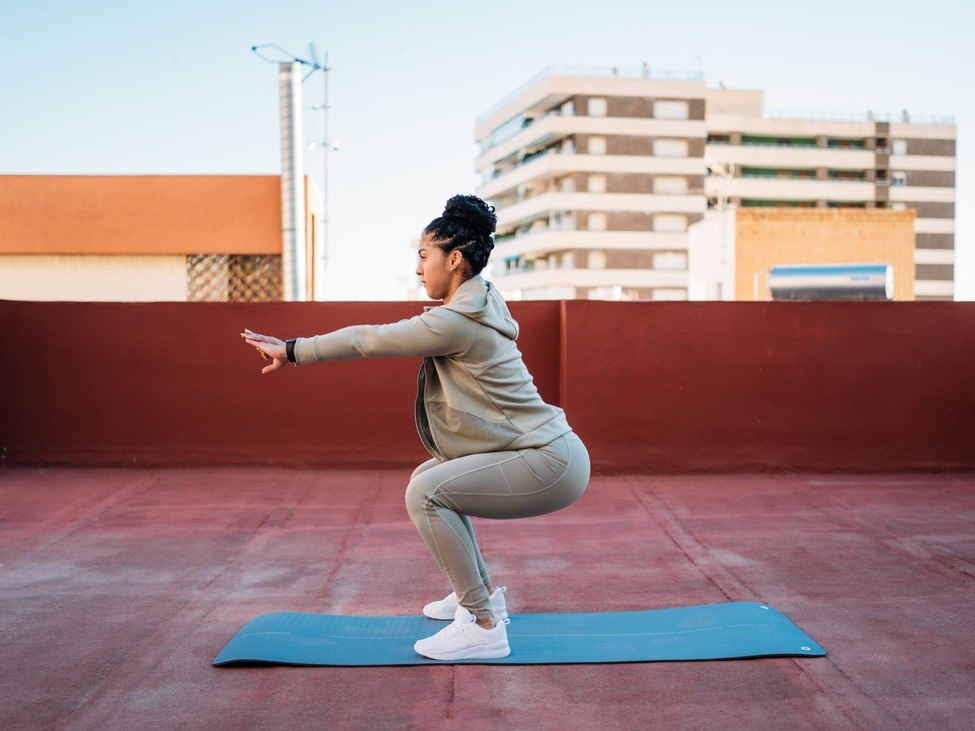
For many people interested in getting stronger, the image of strength training often involves crowded gyms, clanging barbells, and racks of intimidating equipment. But a growing number of fitness enthusiasts are asking a simpler question: can you build real muscle using nothing but your own body weight?
Exercises such as push-ups, squats, lunges, and planks—collectively known as bodyweight exercises—have long been staples in athletic training programs. Today, they are also gaining popularity among people looking for convenient workouts they can perform at home, while traveling, or during short breaks from desk-based work.
Fitness professionals say bodyweight training can absolutely improve strength and build muscle. But whether it is enough on its own depends on how the exercises are performed—and the fitness level of the person doing them.
One reason bodyweight training appeals to so many people is its accessibility. It requires no gym membership, no machines, and very little space. According to strength coach Kristie Larson, bodyweight workouts can be done almost anywhere, making them an attractive option for individuals juggling busy schedules or limited access to equipment.
Yet not all bodyweight movements challenge the body in the same way.
Some exercises place significant load on muscles because they require the body to support a large percentage of its own weight. For example, research published in the Journal of Strength and Conditioning Research shows that a standard push-up can involve lifting roughly 70 to 75 percent of a person’s body mass. That level of resistance explains why push-ups remain a difficult exercise for many people.
Lower-body exercises such as squats and lunges also recruit large muscle groups including the quadriceps and glutes. However, experts say these powerful muscles often require substantial resistance to stimulate meaningful growth.
For beginners or people returning to exercise after a long break, simple bodyweight movements may provide enough challenge to trigger improvements in strength and muscle tone. But more experienced exercisers may eventually find that these basic movements stop producing the same results.
The key factor behind muscle growth is something physiologists call muscular “failure.” According to kinesiology researchers, muscles grow when they are pushed close to the point where completing another repetition becomes nearly impossible.
This principle applies whether the resistance comes from heavy weights, lighter loads, or bodyweight exercises.
In practice, that means a challenging movement such as a handstand push-up or single-leg squat can build strength because it forces the muscles to work extremely hard. Gymnasts, who rely heavily on advanced bodyweight skills, provide a clear example of how effective this approach can be.
However, beginners are the group most likely to see dramatic gains from simpler bodyweight routines. For individuals who have been largely inactive—especially those spending long hours seated at computers or smartphones—even exercises like glute bridges, lunges, or wall push-ups can create enough tension to stimulate muscle adaptation.
Another benefit of bodyweight training is its ability to strengthen the connection between the brain and muscles. As people learn proper movement patterns, they become better at activating muscle fibers efficiently.
To continue improving, however, the challenge must gradually increase—a concept known as progressive overload. While weightlifters achieve this by adding heavier weights, bodyweight exercisers can make workouts harder by changing movement variations, slowing the tempo, improving technique, or increasing sets and repetitions.
Still, experts note that bodyweight training has limits.
Eventually, many people reach a point where their muscles require greater resistance than their body weight alone can provide. At that stage, adding external resistance—such as dumbbells, kettlebells, or resistance bands—can help stimulate further growth.
For people whose goal is simply to maintain strength, mobility, and general health, bodyweight training may be sufficient for years. These exercises can improve balance, support bone health, and help counteract the physical strain of modern sedentary lifestyles.
Ultimately, fitness professionals say the most important factor is consistency.
Whether using weights or bodyweight alone, regular strength training remains one of the most effective ways to stay strong, mobile, and resilient throughout life.