
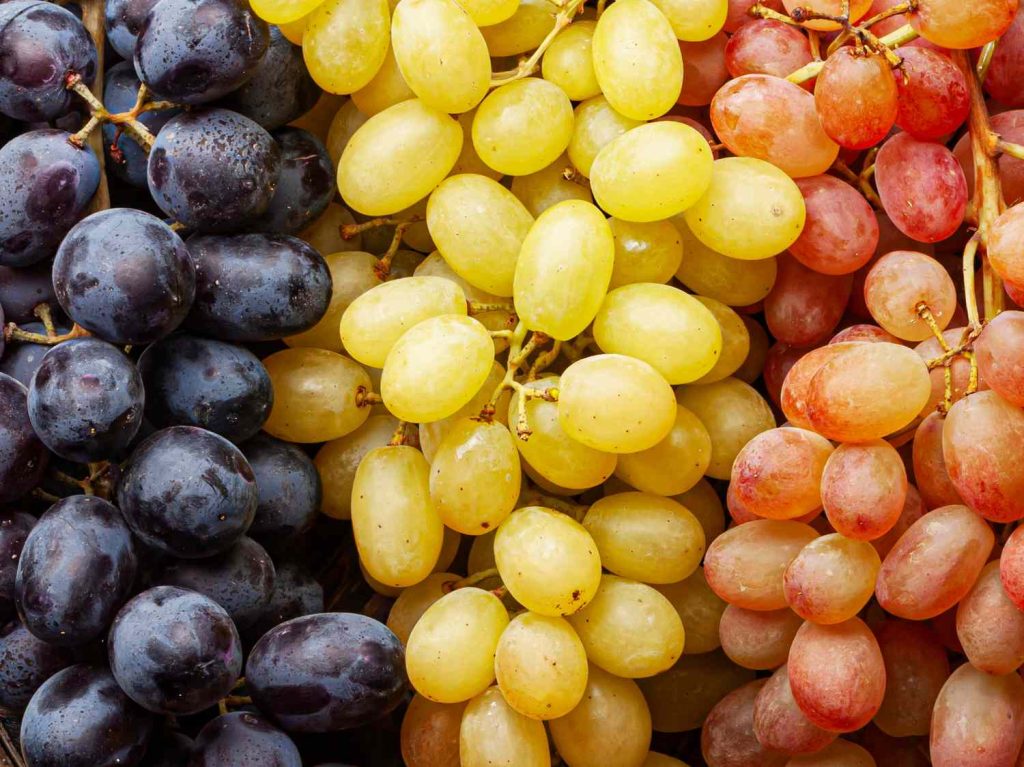
My grandmother used to say that if fruits could talk, grapes would be the ones telling all your business. She’d sit on the veranda, popping them one by one, watching the neighborhood children chase stray footballs into the gutter.
“Look at them,” she’d mutter, “running around with all that energy. They don’t know those little purple things I’m eating could keep up with them.”
She wasn’t entirely wrong.
There’s something almost suspicious about grapes. They arrive in bunches, perfectly portioned by nature herself. No peeling required. No seeds if you pick the right ones. Sweet enough to trick you into thinking you’re being naughty, but packed with things that make your insides sit up straight and pay attention. Let me tell you what they’re doing in there.
They Defend Your Heart Like a Faithful Friend
The first thing grapes do is station themselves at the gates of your cardiovascular system. Not dramatically—they don’t need capes or sirens. They just show up with flavonoids and potassium, quietly telling your blood pressure to calm down, reminding your arteries to stay flexible. People spend fortunes on supplements that try to mimic what a handful of red grapes does naturally. The difference is, supplements don’t taste like summer.
Your Brain Gets a Second Wind
Here’s something they don’t put on the fancy health blogs: grapes remember things. Well, technically, they help you remember things. Resveratrol—that compound in the skin that makes nutritionists nod knowingly—slips past your blood-brain barrier and wakes up sleepy neurons. My uncle who sells provisions at the Madina market swears his mother-in-law’s memory improved after she started keeping grapes in her fridge. I can’t verify this scientifically, but I can tell you she hasn’t forgotten to collect her rent from him since.
They Stand Guard While You Sleep
Grapes contain melatonin. Not a lot—just enough to gently remind your body that darkness has fallen and rest would be appropriate. No wrestling with tablets, no counting sheep until you’re dizzy. A small bowl an hour before bed, and your circadian rhythm gets the nudge it needed. The Japanese have known this for years. They put grapes in lunchboxes specifically to help children nap. Children who nap are children who don’t terrorize their parents at 4 p.m. Grapes are peacekeepers.
Inflammation Backs Down Slowly
The body keeps score, as they say. Every stressful day, every piece of fried food, every night of poor sleep leaves little marks on your cells. Grapes send in the cleanup crew. Not with aggressive promises or flashy marketing campaigns, but with quiet, persistent anti-inflammatory compounds that work like aunties who show up uninvited and start scrubbing your kitchen. You don’t notice them doing the work until suddenly everything feels lighter.
Conclusion
I think about my grandmother sometimes, sitting there with her grapes, watching the world exhaust itself around her. She lived to ninety-three, sharp until the very end. When we cleared her house, we found an empty grape bunch in her fruit bowl. It felt like finding a signature.
We spend so much time looking for complicated solutions. Juices that cost a week’s salary. Powders from distant countries with unpronounceable names. Meanwhile, the little purple spheres sit quietly in market stalls all over Ghana, waiting to be noticed. They don’t shout. They don’t need to. They just do their work, one sweet bite at a time.
Pick up a bunch this weekend. Eat them slowly. Your heart, your brain, your sleep, and your cells will thank you in ways you won’t hear but will definitely feel.