
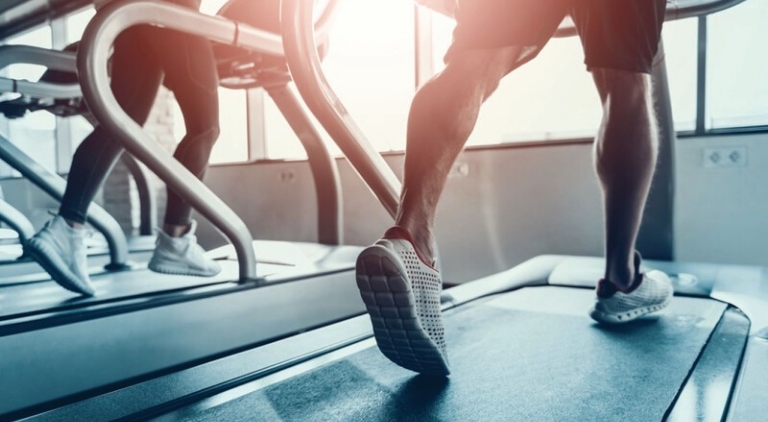
For many people, strong, toned legs are no longer just about aesthetics—they’re becoming essential for staying active in a world dominated by sitting, screens, and long work hours.
From office desks in Accra to remote work setups around the globe, modern lifestyles are placing increasing strain on the lower body. Reduced movement can weaken leg muscles over time, affecting balance, mobility, and overall fitness. Health experts say incorporating simple leg-focused exercises into weekly routines can make a significant difference—not just in appearance, but in everyday function.
Why leg strength matters now more than ever
Leg muscles are among the largest in the body, playing a central role in walking, climbing stairs, and maintaining posture. Yet prolonged sitting—a common reality for many professionals—can lead to muscle tightness and reduced strength.
Fitness specialists note that targeted leg workouts help counteract these effects. Exercises such as squats and lunges remain foundational because they engage multiple muscle groups at once, including the thighs, hips, and core. They also mimic natural movements, making them practical for real-life strength.
More dynamic movements—like step-ups, box jumps, and lateral “speed skater” jumps—add intensity and improve coordination and power. Meanwhile, controlled exercises such as single-leg deadlifts and glute bridges help build balance and stability, which are critical for injury prevention.
The role of variety and recovery
A growing body of fitness guidance emphasises variety as key to effective leg training. Combining strength exercises with activities like walking, cycling, dancing, or skipping rope can accelerate results while keeping routines engaging.
Low-impact aerobic options such as walking and indoor cycling are particularly useful for beginners or those with joint concerns. On the other hand, higher-intensity options like hill sprints can build strength quickly but require proper rest and recovery.
Stretching is equally important. Movements inspired by yoga—such as downward-facing dog, chair pose, and warrior variations—help improve flexibility and reduce muscle stiffness. This is especially beneficial for people who spend long hours seated.
Recovery practices also play a crucial role. Allowing muscles time to rest, using tools like foam rollers, and alternating between dominant and non-dominant legs can improve performance and prevent imbalances.
Nutrition and daily habits shape results
Experts stress that exercise alone is not enough. Hydration, balanced nutrition, and adequate calorie intake all support muscle development and recovery. Carbohydrates help replenish energy stores, while protein aids muscle repair.
Daily habits also matter. Standing up regularly, even for a few minutes every hour, can help maintain circulation and prevent muscle fatigue. Compression wear may support recovery for some individuals, while quality sleep remains essential for muscle repair and overall performance.
A practical approach to stronger legs
For those starting out, consistency is more important than intensity. Simple routines—combining squats, lunges, and light cardio a few times a week—can deliver noticeable improvements over time. Gradually adding resistance, whether through bands or weights, helps build further strength.
Ultimately, toned legs are not built overnight. They are the result of regular movement, balanced training, and supportive lifestyle choices.
The bottom line
In a time when sedentary habits are increasingly common, prioritising leg strength is both a fitness goal and a health necessity. With a mix of targeted exercises, mindful recovery, and everyday movement, building stronger, more resilient legs is well within reach—no gym required.