
Whether you are observing Ramadan, Lent, or simply trying out intermittent fasting to reset your system, there is a moment we all face: that frantic, heart-pounding hunger right as the clock hits the hour. In Ghana, it’s tempting to dive headfirst into a heavy bowl of fufu or a mountain of fried plantain. But according to the body’s internal logic, that’s not a celebration—it’s an ambush.
Breaking a fast is an art form. Your organs have been “off-duty,” and waking them up with a shock of oil and salt is the fastest way to ruin the spiritual or physical progress you’ve made. Here is how to transition from an empty tank to a fueled-up powerhouse without the dreaded “fasting fatigue.”
1. The Gentle Wake-Up Call
Don’t reach for the ice-cold jug and gulp it down in one go. Your internal organs are like a car engine on a harmattan morning; they need to idle for a minute. Sip your water slowly. This gradual rehydration tells your digestive system to start producing enzymes again. Think of it as a polite knock on the door rather than kicking it down.
2. Quick Brain Fuel (The “Light” Start)
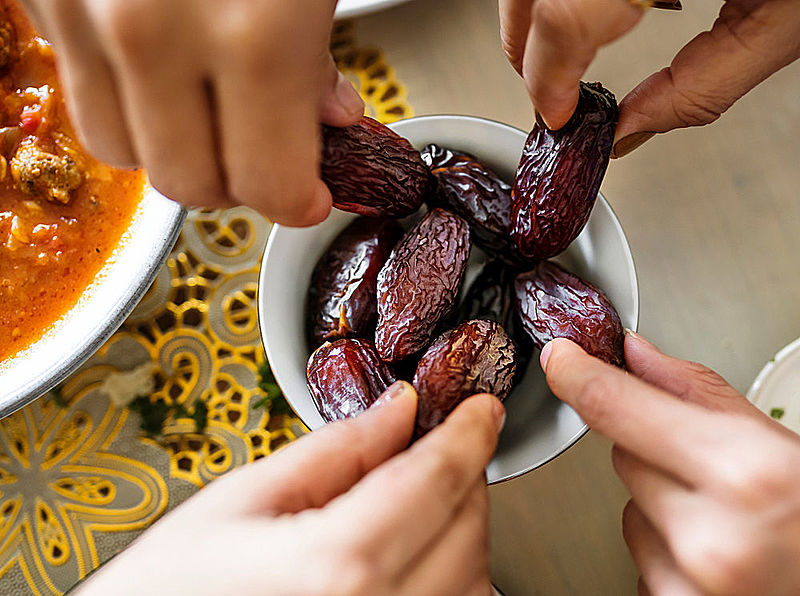
Your brain has been running on fumes, and it needs a glucose spark. Natural sugars are your best friends here. A few dates or a slice of watermelon provide an immediate energy lift without the violent insulin spike that comes from processed sodas. In a pinch, even a handful of popcorn can offer a light, crunchable bridge to your main meal.
3. Fiber: The Slow Burn
When it’s finally time for the “real” food, prioritize complex carbohydrates. We’re talking about sweet potatoes or oats. These are the marathon runners of the food world. They digest slowly, keeping your blood sugar steady and preventing that post-meal “food coma” where you feel like you need a three-hour nap just to recover from eating.
4. The Tissue Repair Kit (Protein First!)
After a long fast, your body might have dipped into its own stores for energy. You need protein to repair and rebuild. Instead of a plate that is 90% starch, make protein the star of the show. Whether it’s grilled fish, lean meat, or beans, treat protein as the essential building block your “empty tank” is screaming for. It’s the difference between feeling strong tomorrow and feeling like you’ve been “flogged” by your own diet.
5. Avoid the Salt and Oil Trap
The biggest mistake? Breaking a fast with heavy seasoning cubes or deep-fried snacks. When your stomach is empty, it absorbs everything with terrifying efficiency. Flooding your system with excess salt is a one-way ticket to puffiness and, in the long run, hypertension. If you wouldn’t pour old, salty grease into a high-end engine, don’t put it into your body after a fast.
A Final Word of Caution: Fasting is personal, but so is survival. If you start to feel dizzy or “everywhere is blowing,” stop. Your body isn’t a competition. If you have diabetes, are pregnant, or have an underlying condition, talk to your doctor. No “dry fast” is worth meeting your ancestors early.