
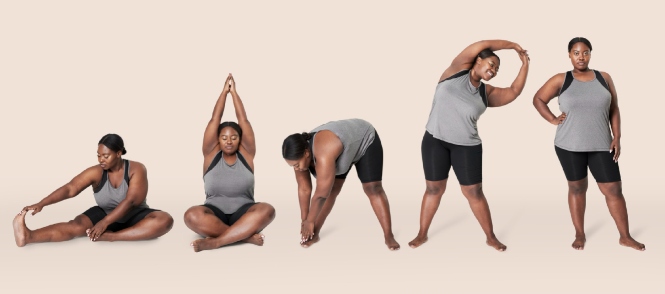
Performing a wide variety of physical activities each week — rather than repeatedly doing the same single exercise — is associated with a significantly reduced risk of death over the long term, according to one of the largest and longest prospective studies ever conducted on exercise patterns and longevity.
Published January 20, 2026 in BMJ Medicine, the research tracked the weekly exercise habits of more than 111,000 U.S. nurses and health professionals (aged 30–75 at baseline) for up to 30 years. Participants self-reported time spent on multiple activities including walking, jogging, running, cycling, swimming, rowing, tennis, squash, strength training, yoga, gardening, stair climbing, and more.

After adjusting for total exercise volume and other lifestyle factors, individuals who regularly engaged in the highest number of distinct activity types showed a 19% lower all-cause mortality risk compared with those who stuck to only one or very few types of movement.
Lead author Dr. Yang Hu, a research scientist at Harvard T.H. Chan School of Public Health’s Department of Nutrition, explained the key takeaway: “It’s probably better to spread the limited energy on multiple physical activities instead of sticking to a single high-intensity one. Combining activities that have complementary health benefits — such as resistance training and aerobic exercise — can be very helpful.”
The study assigned metabolic equivalent task (MET) scores to each activity to standardize intensity comparisons (e.g., jogging received a higher MET than gardening). While total moderate-to-vigorous activity time remained the strongest overall predictor of longevity, diversity provided an independent protective effect.
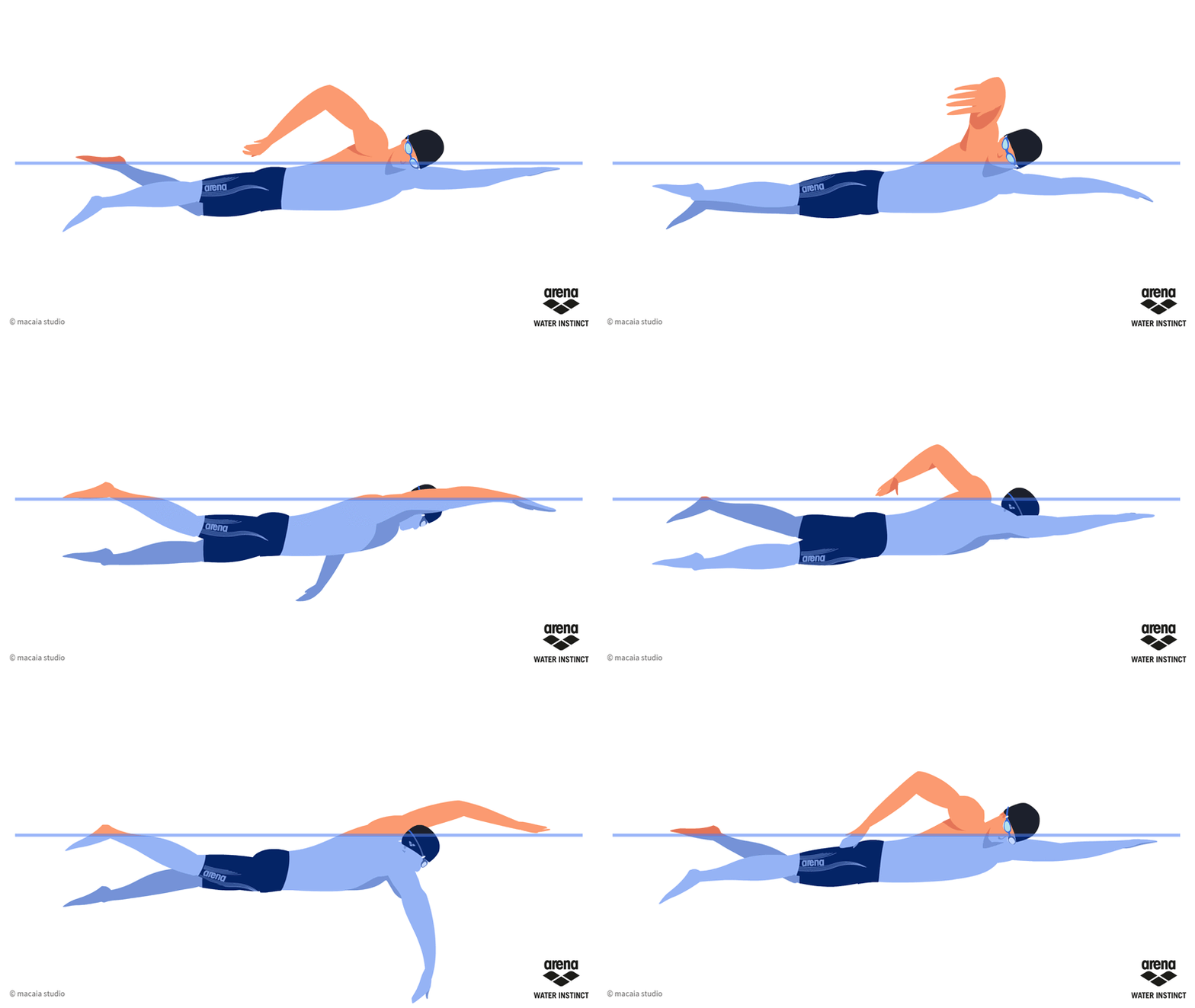
Notably, the mortality benefit of variety was greater than that observed for any single activity in isolation, including popular choices such as walking, tennis, rowing, or jogging.
Duck-chul Lee, director of the Physical Activity Research Center at the University of Pittsburgh (who was not involved in the study), described the work as “well done and interesting.” He noted that it expands beyond the traditional aerobic-plus-strength dichotomy by capturing a broader range of popular exercises people actually do.
Limitations include reliance on self-reported data (which may overestimate activity) and the observational design, which cannot prove causation. Researchers controlled for numerous confounders, but residual confounding or reverse causation (healthier people simply doing more varied exercise) cannot be entirely ruled out.
The findings align with current public-health guidelines recommending a mix of aerobic, muscle-strengthening, and balance/flexibility activities. They also offer practical encouragement: rather than forcing adherence to one “best” workout, incorporating enjoyable activities across modalities may improve long-term compliance and deliver superior health outcomes.