Personal Stories & Opinion

Doctors Say Most Supplements Are Unnecessary, But These Six May Be Worth Considering
Personal Stories & Opinion

Doctors Say Most Supplements Are Unnecessary, But These Six May Be Worth Considering

The modern wellness industry thrives on a simple promise: there is a pill for almost everything. From sharper focus and deeper sleep to stronger workouts and smoother digestion, supplements now sit at the centre of many daily health routines. Yet behind the booming market lies a quieter truth from within the medical community—most doctors remain cautious about what they actually take themselves. According to the U.S. Office of Dietary Supplements, about half of American adults and a third of children regularly use dietary supplements. But many physicians warn that enthusiasm has far outpaced scientific necessity. Jeffrey Linder, a general internist and professor at Northwestern University’s Feinberg School of Medicine, has been blunt in his assessment, saying that a “vast majority o...
Why Boredom Might Be Good for Your Brain, According to Researchers
Personal Stories & Opinion

Why Boredom Might Be Good for Your Brain, According to Researchers

In a world where a smartphone can erase boredom in seconds, the idea of doing nothing—even briefly—can feel almost uncomfortable. Yet psychologists and researchers say that occasional boredom may actually be good for the brain, helping to spark creativity, reflection, and problem-solving. Boredom is a universal human experience, often associated with frustration or restlessness. Most people instinctively try to escape it—scrolling through social media, checking messages, or jumping into another task. But experts say constantly filling every quiet moment with digital stimulation may come at a cost. Smartphones have become one of the most common tools for eliminating boredom. While useful in moderation, excessive screen time has been linked to rising levels of loneliness, anxiety, depr...
When Is It Okay to Rewear Your Workout Clothes? A Dermatologist Explains
Personal Stories & Opinion

When Is It Okay to Rewear Your Workout Clothes? A Dermatologist Explains

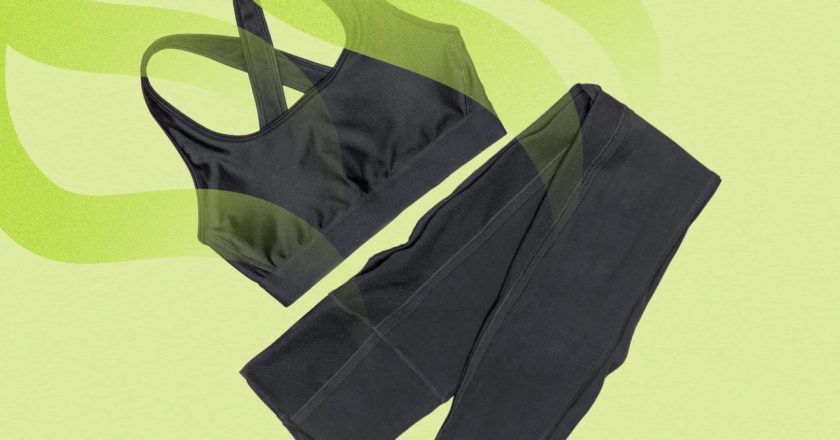
For many people trying to stay active while balancing work, errands, and daily life, laundry can feel like a never-ending chore. So the temptation to rewear workout clothes—especially after a light session—can be strong. If the exercise didn’t produce buckets of sweat, is it really necessary to wash those leggings or that T-shirt right away? According to dermatologists, the answer is more nuanced than a simple yes-or-no. While sweat itself is mostly harmless, the real concern begins when moisture mixes with the bacteria that naturally live on the skin. Once sweat becomes trapped in fabrics, particularly synthetic workout gear, it can create the perfect environment for bacteria to thrive. Over time, that combination can lead to unpleasant odours and, more importantly, skin irritation....
The 50% Plate: A Simple Blueprint for Lifetime Cardiovascular Health
Personal Stories & Opinion

The 50% Plate: A Simple Blueprint for Lifetime Cardiovascular Health

In a world where medical headlines are often dominated by complex procedures and high-tech cures, the most powerful tool for protecting your heart might actually be sitting in your kitchen cabinet. Heart disease remains the leading cause of death globally, but the narrative is far from hopeless. Recent data from the Centers for Disease Control and Prevention (CDC) reinforces a vital truth: the majority of cardiovascular events are preventable through the choices we make at the dinner table. For the modern professional—balancing a high-pressure career in Accra with the sedentary demands of digital life—understanding the "fine print" of nutrition is no longer a luxury; it is a survival skill. The Hidden Saboteurs: Sodium and Sugar While many people focus on what to add to their diet...
One Glass of Tea and 10 Laughs a Day: Surprising Ways to Save Your Heart
Personal Stories & Opinion

One Glass of Tea and 10 Laughs a Day: Surprising Ways to Save Your Heart

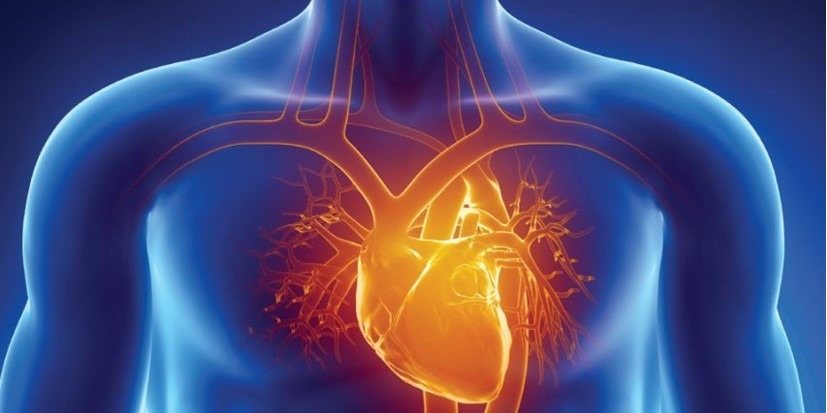
Smoking is the single biggest lifestyle threat to your heart. But it’s not the only one. According to the American Heart Association and the CDC, tobacco use remains a top controllable risk factor for heart disease. Yet even non-smokers can unknowingly harm their hearts daily, through desk jobs, salty takeout, chronic stress, and skipped breakfasts. The good news? Small, enjoyable changes can dramatically lower your risk. Why Heart Health Demands More Than One Fix Heart disease doesn’t strike suddenly. It builds over years from high blood pressure, unhealthy cholesterol, belly fat, and inflammation. While quitting tobacco is the most urgent step, experts from the Journal of the American College of Cardiology and the New England Journal of Medicine point to two overlooked culprits:...
Age Is Not a Barrier: How One Woman Proved Strength Can Begin at Any Stage of Life
Personal Stories & Opinion

Age Is Not a Barrier: How One Woman Proved Strength Can Begin at Any Stage of Life

For many people, the idea of starting a fitness journey later in life feels unrealistic. Age is often treated as a deadline for physical strength, mobility, and athletic ambition. But stories like that of Shirley Webb, a grandmother who began serious strength training in her mid-70s, challenge this assumption—and offer a powerful reminder that it is never too late to improve one’s health. Just two years ago, Webb, then 76, was living what many would consider a typical retirement lifestyle. Her only regular physical activity was mowing the lawn. Even basic movements were becoming difficult: climbing stairs required holding onto a railing, and getting up from the floor without assistance was nearly impossible. Everything changed when she decided to join a gym. Within two years of co...
How One Daily Habit Can Transform Your Health and Productivity
Personal Stories & Opinion

How One Daily Habit Can Transform Your Health and Productivity

In the final of the men’s 200-metre butterfly at the 2008 Beijing Olympics, something went wrong for swimmer Michael Phelps. Midway through the race, water began seeping into his goggles. Within seconds, his vision was completely blurred. By the final lap, he couldn’t see the pool markings, the approaching wall, or even his competitors. Yet he kept swimming—and won gold in world-record time. For sports psychologists and coaches, the moment remains a powerful illustration of the role habits play in performance and everyday life. When the unexpected happens and thinking clearly becomes difficult, the brain often defaults to routines that have been practiced repeatedly. Phelps’ coach, Bob Bowman, had spent years building those routines into his training. In preparation for high-press...
Strength Training vs Cardio: Which Is Better for Healthy Aging? New Insights Emerge
Personal Stories & Opinion

Strength Training vs Cardio: Which Is Better for Healthy Aging? New Insights Emerge

As the global population ages, a growing body of research is prompting fitness experts and public health authorities to re-evaluate the traditional emphasis on cardio exercise, suggesting that strength training may offer superior benefits for healthy aging and longevity. According to a detailed analysis published recently, both aerobic (cardio) and resistance (strength) training provide important health benefits, but they excel in different areas. The key to optimal healthy aging appears to lie in a balanced approach, with increasing evidence showing that strength training delivers unique advantages that cardio alone cannot match. Key Benefits of Each Modality Cardio (Aerobic Exercise) Improves cardiovascular health and endurance Helps regulate blood pressure and choles...
3 Common Health Myths That May Be Affecting Your Well-Being
Personal Stories & Opinion

3 Common Health Myths That May Be Affecting Your Well-Being

Health advice changes constantly. For one decade, a certain food or habit is praised; the next, it is blamed for a wide range of problems. Over time, a few ideas become so widespread that people accept them as unquestionable truth. Yet many health professionals now encourage people to re-examine some of these beliefs. Here are three popular health myths that continue to shape everyday habits around the world. 1. The Sun Is Always Bad for You For years, public health messages have warned about the dangers of sunlight, particularly the risk of skin damage from excessive exposure. While those risks are real, avoiding the sun entirely can also create problems. Sunlight helps the body produce Vitamin D, which plays a key role in bone strength, immune function, and overall health. M...
Scale Lies and Mirror Truths: Why Losing Weight Isn’t Always Losing Fat
Personal Stories & Opinion

Scale Lies and Mirror Truths: Why Losing Weight Isn’t Always Losing Fat

The bathroom scale is a fickle narrator. You wake up, step on that glass square, and let a fluctuating digit dictate your mood for the next eight hours. If the number goes down, you celebrate with a salad; if it goes up, you mourn with a bagel. But here is the secret the fitness industry rarely whispers: your weight is the least interesting thing about your body. The Great Weight Illusion Total body weight is a lump sum of everything—bones, organs, muscle, fat, water, and that literal liter of coffee you just drank. When people say they want to "lose weight," what they usually mean is they want to change their shape, improve their health, and feel tighter in their clothes. That is fat loss, not weight loss. You can lose five pounds in twenty-four hours by sitting in a sauna or cut...