
As the global population ages, a growing body of research is prompting fitness experts and public health authorities to re-evaluate the traditional emphasis on cardio exercise, suggesting that strength training may offer superior benefits for healthy aging and longevity.
According to a detailed analysis published recently, both aerobic (cardio) and resistance (strength) training provide important health benefits, but they excel in different areas. The key to optimal healthy aging appears to lie in a balanced approach, with increasing evidence showing that strength training delivers unique advantages that cardio alone cannot match.
Key Benefits of Each Modality

Cardio (Aerobic Exercise)
- Improves cardiovascular health and endurance
- Helps regulate blood pressure and cholesterol levels
- Supports weight management and fat loss
- Enhances mood and reduces symptoms of anxiety and depression
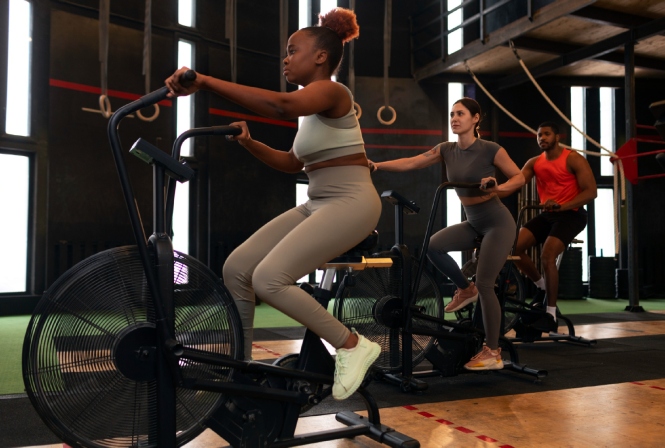
Regular moderate cardio — such as brisk walking, cycling, or swimming — remains highly effective for heart health and overall calorie expenditure.
Strength Training (Resistance Exercise)
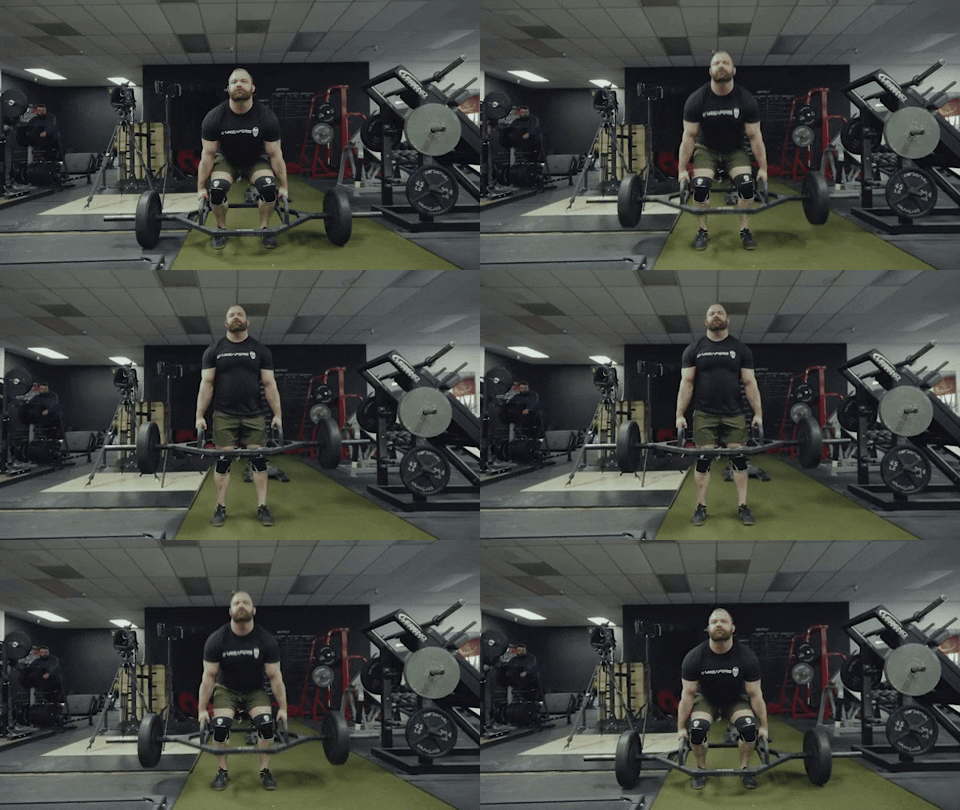
- Builds and preserves muscle mass (critical after age 30, when sarcopenia begins)
- Increases bone density and reduces osteoporosis risk
- Boosts resting metabolic rate, aiding long-term weight control
- Improves insulin sensitivity and metabolic health
- Enhances functional strength, balance, and mobility, reducing fall risk in older adults
The report highlights that muscle mass is a powerful predictor of longevity. Higher muscle mass is associated with lower all-cause mortality, better glucose regulation, and reduced frailty. Strength training also triggers the release of myokines — beneficial proteins released by muscles during contraction — that have anti-inflammatory and anti-aging effects throughout the body.
The Verdict for Healthy Aging
While cardio has long been considered the cornerstone of fitness programmes, experts now argue that strength training may be the more important pillar for healthy aging, especially after age 50. The loss of muscle mass and strength is one of the strongest predictors of disability, institutionalisation, and reduced quality of life in later years.
Current guidelines from the World Health Organization and major health bodies recommend:
- At least 150 minutes of moderate aerobic activity or 75 minutes of vigorous aerobic activity per week
- Muscle-strengthening activities involving all major muscle groups on at least two days per week
Many researchers now advocate for a “hybrid” approach: combining both modalities rather than choosing one over the other. For example, performing strength training two to three times per week and moderate cardio on alternate days appears to deliver the most comprehensive benefits for cardiovascular health, metabolic function, bone density, and cognitive performance.
Practical Recommendations
For those new to strength training, experts suggest starting with bodyweight exercises (squats, push-ups, planks) or light resistance bands and progressing gradually. Proper form is crucial to prevent injury. Consulting a qualified trainer, especially for older adults or those with pre-existing conditions, is strongly advised.
The bottom line: While any regular physical activity is beneficial, prioritising strength training alongside cardio may be the most effective strategy for maintaining independence, vitality, and quality of life as we age.