
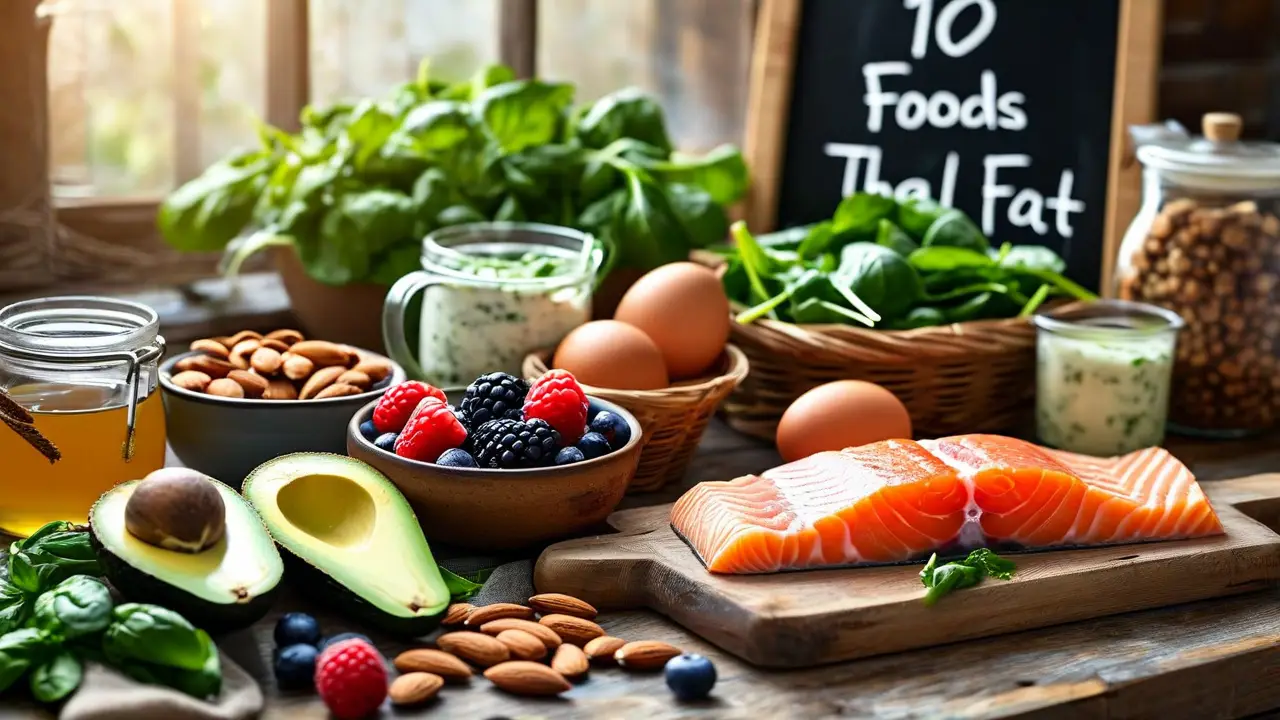
Healthy eating doesn’t require perfection, extreme restrictions, or constant calorie counting. The most effective approach is straightforward: prioritize nutrient-dense whole foods, reduce ultra-processed items, and build balanced meals and snacks you genuinely enjoy — because food is meant to nourish and satisfy, not to be feared.
Research consistently shows that diets rich in vegetables, fruits, lean proteins, nuts, seeds, whole grains, and healthy fats are linked to longer life, lower risk of chronic diseases (including type 2 diabetes, heart disease, and certain cancers), better mental health, and improved body composition. In contrast, high intake of ultra-processed foods — sodas, packaged snacks, mass-produced baked goods, and sugary cereals — is associated with higher mortality, increased inflammation, and greater risk of depression, especially among less active individuals.
Core Principles of Healthy Eating
Focus on Nutrient Density
Choose foods that deliver high levels of vitamins, minerals, fiber, protein, and healthy fats relative to their calorie content.
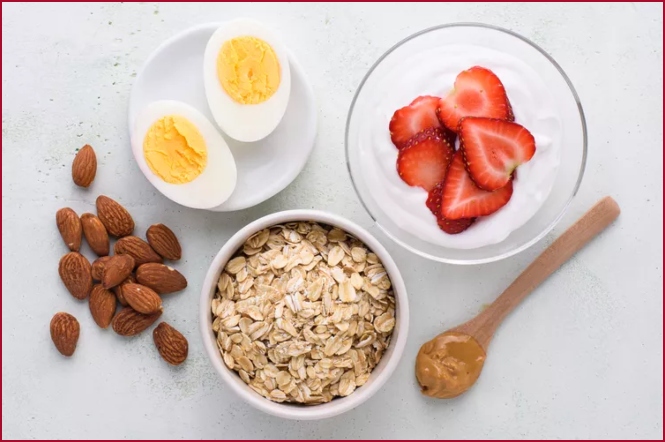
- High-nutrient examples: leafy greens, berries, salmon, eggs, Greek yogurt, lentils, almonds, sweet potatoes, avocado.
- Even calorie-dense options like nuts and olive oil are beneficial when they replace lower-quality fats.
Embrace Diet Diversity
Eating a wide variety of foods supports gut health, maintains a healthy weight, and protects against disease. If you’re a picky eater, introduce one new vegetable or protein at a time — repeated exposure increases acceptance.
Balance Your Plate
Aim for meals containing:
- Protein (eggs, chicken, fish, beans, tofu)
- Healthy fats (nuts, seeds, avocado, olive oil)
- Fiber-rich carbs (vegetables, fruits, oats, legumes, sweet potatoes)
This combination keeps you fuller longer and stabilizes blood sugar.
Limit Ultra-Processed Foods
You don’t need to eliminate processed items entirely — canned beans, frozen vegetables, and plain yogurt are processed but nutritious. The goal is to minimize items with long ingredient lists, added sugars, refined oils, and artificial additives.
Practical Tips to Make Healthy Eating Sustainable
- Start Small: If you currently rely heavily on takeout, begin by preparing just one or two home-cooked meals per week packed with vegetables and protein.
- Use the “Rule of Threes”: Build meals around one protein, one healthy fat, and one fiber-rich carb source.
- Stock Smart: Keep your kitchen filled with grab-and-go options — pre-cut veggies, hard-boiled eggs, nuts, Greek yogurt, fruit, and canned fish or beans.
- Honor Preferences: If you’ve tried a food multiple times and still dislike it, don’t force it. There are plenty of nutrient-rich alternatives.
- Ditch “Cheat Days”: Viewing certain foods as forbidden creates an unhealthy relationship with eating. All foods can fit in moderation once balance becomes the norm.
- Hydrate Wisely: Water remains the best choice. Flavor it with fruit slices or lemon if plain water feels boring.
- Cook More Often: Home cooking lets you control ingredients and increases dietary variety without complexity.
The Bottom Line
Healthy eating is about progress, not perfection. Focus on adding more whole, nutrient-dense foods and gradually reducing ultra-processed items. Consistency over months and years delivers far better results than short-term “diets.” If you feel overwhelmed or have specific health concerns, consult a registered dietitian for personalized guidance.
Nourish your body, enjoy your food, and build habits that last.