
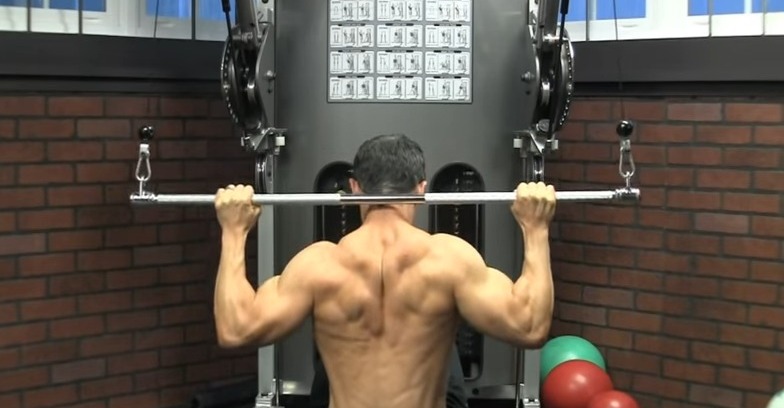
Walk into almost any gym and you’ll see it: someone pulling a bar behind their head, straining through a movement that looks impressive but quietly puts their shoulders at risk. Fitness culture often rewards what looks intense, not what actually keeps the body healthy.
For many people beginning a workout routine—whether in a gym in Accra, a community fitness park, or a living room at home—the biggest mistake isn’t lack of effort. It’s choosing exercises that the body was never designed to handle safely.
Take the popular behind-the-head lat pulldown. It appears in countless workout routines, yet sports therapists frequently warn that forcing the shoulders into extreme external rotation can stress delicate tendons and ligaments. Over time, that strain may contribute to shoulder injuries that sideline people from the very workouts meant to make them stronger.
The same quiet risk hides in other familiar moves. Straight-leg sit-ups, once a staple of school fitness tests, repeatedly bend the spine while placing heavy pressure on the lower back. For someone who spends long hours sitting at a desk or driving through Accra traffic, the added stress can aggravate back pain instead of building core strength.
Even overhead lifting can become problematic when done incorrectly. Pressing a barbell from behind the neck places strain on the cervical spine and surrounding muscles. Over months or years, this awkward positioning may contribute to neck discomfort, nerve irritation, or weakness in the arms.
The lesson here isn’t to avoid strength training. In fact, resistance exercises remain one of the most powerful tools for maintaining muscle, protecting joints, and supporting long-term health. The key is choosing movements that respect the body’s natural alignment.
Front lat pulldowns, for instance, train the same back muscles without forcing the shoulders into risky positions. Planks build core stability while keeping the spine neutral. And pressing weights from the front allows the shoulders and neck to move in a more natural range.
Across Ghana, fitness is growing—from early morning beach workouts in Labadi to small neighborhood gyms popping up in towns and cities. As more people embrace active lifestyles, understanding how to train safely becomes just as important as the motivation to start.
A good workout should leave you feeling stronger, not quietly setting the stage for pain months down the line. The smartest fitness routines aren’t always the flashiest ones—they’re the ones your body can thank you for years later.