
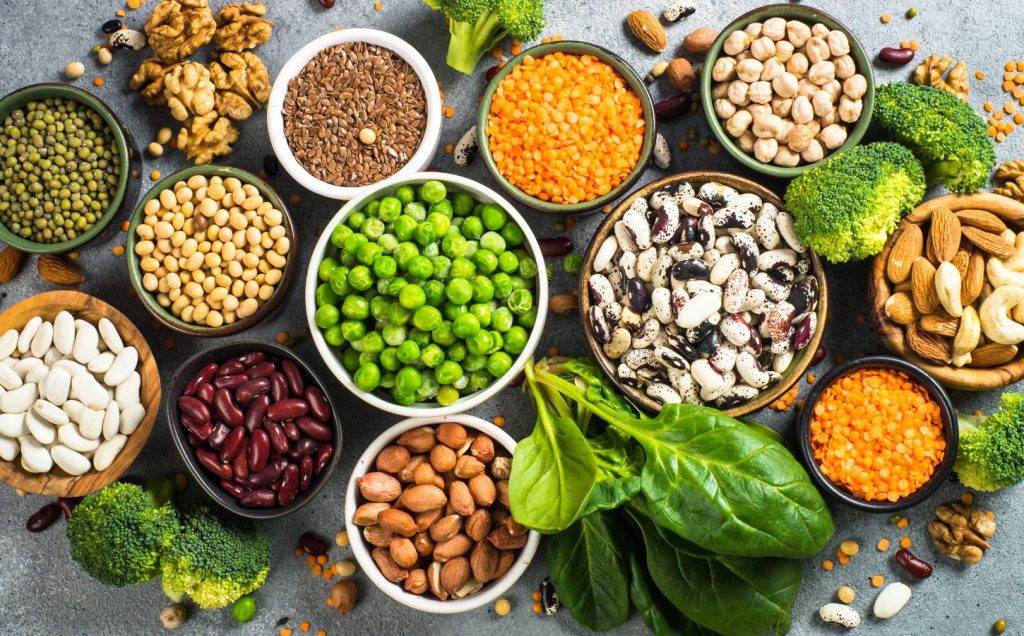
In the world of modern wellness, the word “superfood” is often tossed around with the same fervor as a religious incantation. We are told that a single berry or a specific root holds the secret to immortality, yet the uncomfortable truth is that the term was born in a marketing boardroom, not a laboratory.
While no single ingredient can act as a silver bullet for health, there is a growing consensus among nutritionists that certain “powerhouse” foods—many of which are already staples in Ghanaian markets—provide a significant edge in the fight against chronic disease.
The Myth and the Motivation
As urban lifestyles in cities like Accra and Kumasi become increasingly sedentary, dominated by long hours behind screens and the convenience of processed snacks, the quest for “super” nutrition has never been more relevant. However, health isn’t built on trends; it is built on density. The real value of so-called superfoods lies in their concentration of micronutrients—vitamins, minerals, and antioxidants—that help the body repair the “oxidative stress” caused by pollution, processed sugars, and high-pressure work environments.
The Powerhouse Sixteen
Recent research highlights 16 specific foods that, while not magical, are undeniably elite in their nutritional profiles. Leading the pack are dark leafy greens—think of our local kontomire (cocoyam leaves) or spinach—which are loaded with folate, zinc, and fiber. These are critical for reducing the risk of Type 2 diabetes, a rising concern in modern West Africa.
The list extends to legumes and berries, which act as internal sweepers for the cardiovascular system. Legumes (beans and lentils) are particularly vital for weight maintenance due to their high fiber content, which promotes a feeling of fullness. Meanwhile, fatty fish like salmon or mackerel provide the Omega-3 fatty acids necessary to keep our brains sharp and our hearts resilient against inflammation.
Ancient Wisdom, Modern Science
Interestingly, many of the world’s “new” superfoods are ancient medicines. Ginger and turmeric, staples in Ghanaian ginger-garlic pastes, are now globally recognized for their gingerol and curcumin content. These compounds are potent anti-inflammatories that can manage pain and potentially reduce the risk of cognitive decline.
Curcumin is a chemical of some plants. Diferuloylmethane is a curcuminoid of turmeric, a member of the ginger family. It is a herbal supplement, cosmetics ingredient, food flavoring, and a food coloring
Furthermore, eggs, once maligned for cholesterol, have been vindicated. Current research suggests that eating up to 12 eggs a week is safe for most people and may actually boost “good” HDL cholesterol, which protects the heart.
Practical Integration for the Busy Professional
For the modern professional, the goal is “versatile nutrition.” You don’t need a complete pantry overhaul; you need strategic additions.
- The “Fat” Rule: Pair turmeric with black pepper or healthy fats like olive oil or avocado to ensure your body can actually absorb the nutrients.
- Fermentation: Incorporating yogurt or kefir introduces probiotics that support the “gut-brain axis,” essential for mental clarity during a busy work week.
- The Rainbow Method: Aim for variety over volume. A plate with sweet potatoes, mushrooms, and seeds offers a broader spectrum of antioxidants than a massive portion of just one “super” item.
The Bottom Line
Ultimately, the “superfood” label is a distraction from the real objective: a balanced, varied diet. True vitality isn’t found in a solitary supplement or a fleeting food trend, but in the consistent, colorful integration of these nutrient-dense staples into our daily lives.