
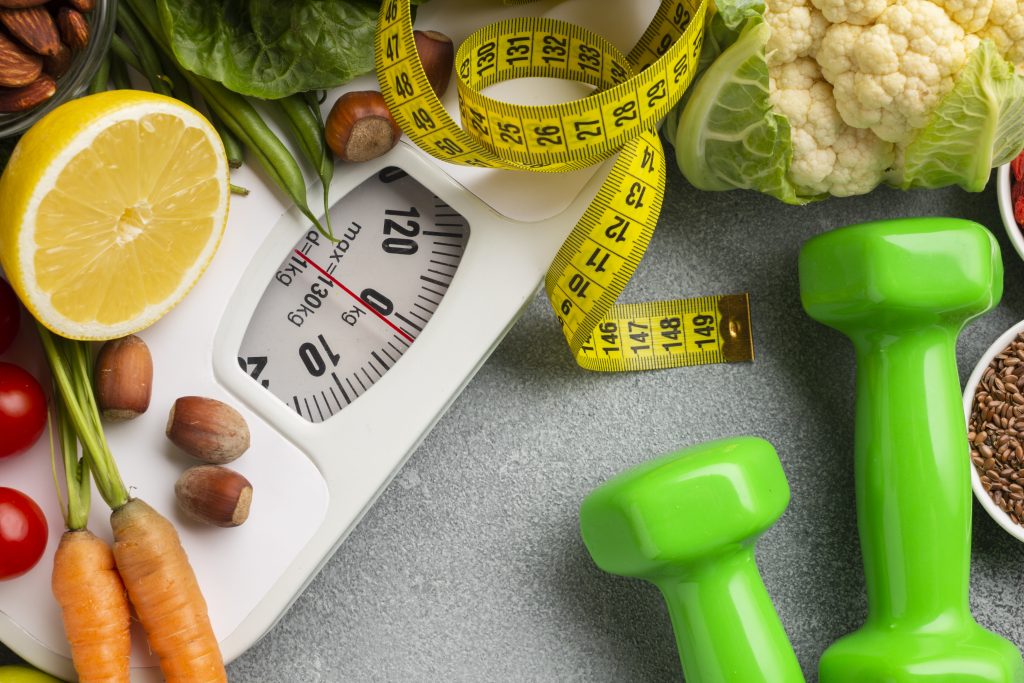
Standing on the scale feels like a verdict.
Down two pounds? Good day. Up one? Bad day. We’ve all done it—let that little digital number decide our mood before we’ve even had coffee.
But here’s what nobody explains at the gym or in the diet books: that number measures everything. Water. Muscle. The pasta you had for dinner. The last glass of water you drank.
It doesn’t measure fat.
And if fat loss is what you’re actually after—the mirror changing, clothes fitting better, that stubborn stuff around your middle finally shifting—then “weight loss” might be the wrong goal entirely.
Here are three differences that actually matter.
1. Weight Comes and Goes. Fat Stays Until You Force It Out.
Drop five pounds in a week? Congratulations. Most of that was water.
Your body holds onto water like a nervous traveler hoarding snacks. Carbs, salt, hormones—they all make you retain it. And when you cut calories hard, your body burns through its glycogen stores first. Glycogen holds water. Lose the glycogen, lose the water.
The scale celebrates. You celebrate.
Then you eat a normal meal and four pounds reappear overnight.
Fat loss doesn’t work like that. Fat leaves slowly—about half a pound to two pounds a week if you’re doing it right. It doesn’t rush out the door. It doesn’t come back after one slice of pizza. Fat loss is boring. Consistent. Unspectacular.
The implication: If your weight jumps around day to day, stop panicking. It’s not fat. It’s just Tuesday.
2. Muscle Weighs Something. You Actually Want to Keep It.
Here’s the part that messes everyone up.
You lose weight too fast—crash diet, hours of cardio, eating like a bird—and your body panics. It starts burning anything for fuel. Including muscle.
Muscle weighs more than fat by volume. So when the scale drops fast, you’re probably losing muscle and water along with whatever fat you managed to shed.
End result: you’re smaller on the scale, softer in the mirror. The number went down. The reflection didn’t change much.
Fat loss done right preserves muscle. That means eating enough protein. That means lifting things. That means the scale might move slower, but your jeans will fit better.
The implication: Stop chasing the lowest number. Chase the reflection that looks different. Muscle is your friend. Treat it like one.
3. Weight Loss Can Happen Anywhere. Fat Loss Happens on Your Terms.
The scale doesn’t care where the weight comes from. Water weight? Gone. Muscle? Gone. That stubborn lower belly fat? It’ll get to it eventually.
Fat loss is more demanding. Your body has its own ideas about where it wants to hold onto fat and where it wants to let go. Usually, the last place you want it gone is the last place it leaves.
You can’t spot-reduce. Situps won’t erase belly fat. Calf raises won’t slim your legs. Fat loss happens systematically—your body decides the order, not you.
But when you focus on fat loss instead of weight loss—consistent eating, strength training, patience—the whole body eventually changes. It just takes longer than the scale would have you believe.
The implication: You don’t control where fat leaves first. But if you stay consistent, it eventually leaves everywhere.
Read Also: The $0 Fitness Plan That Changed My Life
The Bottom Line
The scale measures weight. It doesn’t measure progress.
Fat loss is slower. Less dramatic. Harder to track with a simple number. But it’s also what actually changes how you look, how your clothes fit, and how you feel.
Next time you step on that scale, ask yourself: am I chasing a number, or am I chasing a change?
Because one of them will drive you crazy.
The other one will actually work.