
You know that guy in the gym. Bench press is massive. He moves serious weight. But his arms look like afterthoughts. Or the other guy. Great arms. Lots of curling. But his back and legs? Forgotten. Both work hard. Both missed the point.
Building a body that looks as good as it performs requires two types of work. The heavy stuff that builds a foundation. The precise stuff that shapes what sits on top. Compound movements and isolation work are not enemies. They are partners. Here is why you need both.
1. Compounds Build the Engine
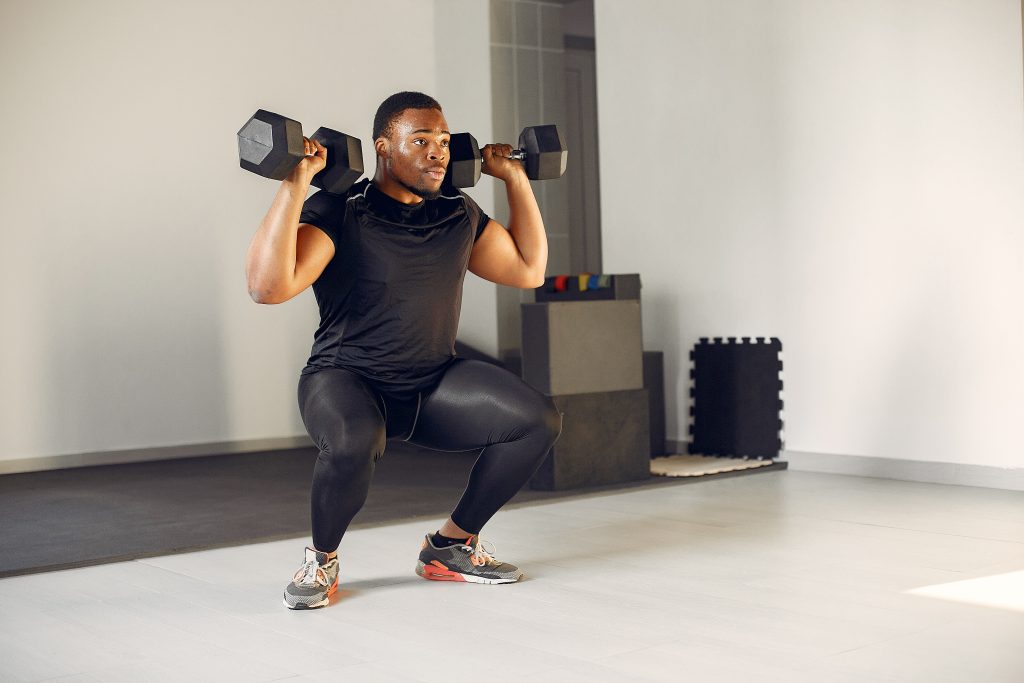
Compound movements use multiple joints and multiple muscles at once. Squat. Deadlift. Bench press. Overhead press. Bent-over row. These are not exercises. They are conversations between your nervous system and your whole body. They release more hormones. They build more raw tissue. They teach your body to work as a unit. If you only did compounds, you would be strong. You would look like an athlete. But you might also have gaps. Muscles that never quite fire. Shapes that never quite pop. The engine runs fine. The bodywork needs help.
2. Isolation Fixes the Gaps
Isolation exercises target one joint, one muscle at a time. Bicep curls. Tricep extensions. Lateral raises. Leg curls. These moves feel selfish. You are ignoring the team to focus on one player. But that focus matters. Maybe your bench press is strong, but your triceps lock out early. Isolating them brings up the bench. Maybe your back is thick, but your rear delts hide. Isolation work pulls them out of hiding. Compounds build the house. Isolation hangs the pictures.
3. Compounds Teach Stability, Isolation Teaches Mind-Muscle Connection
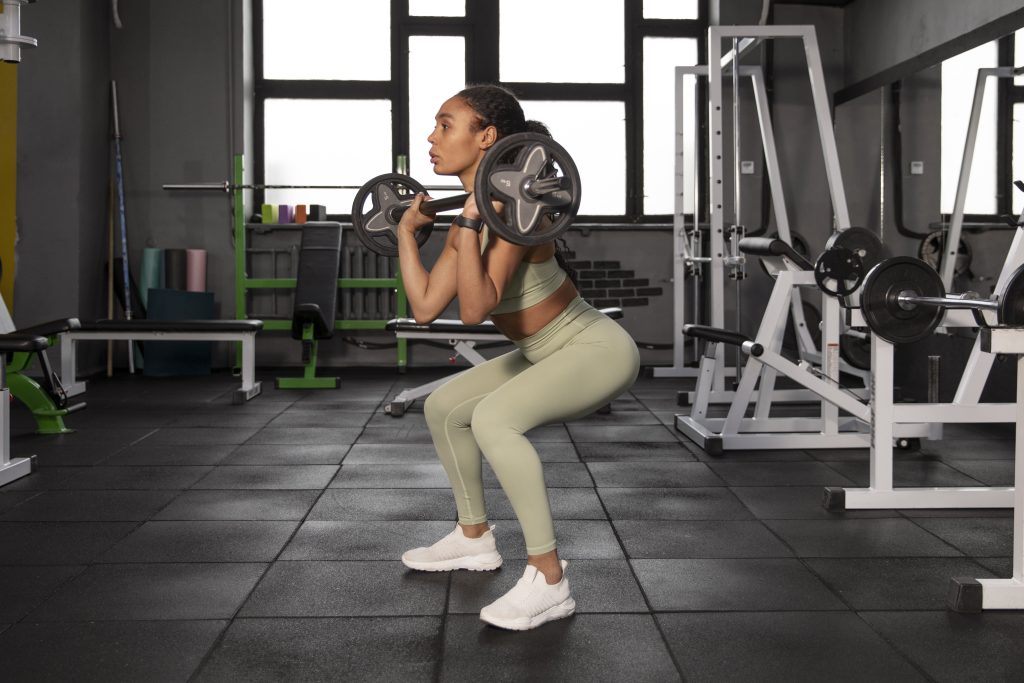
Heavy squats force you to brace. Your core screams. Your back tightens. Your feet root into the floor. This stability carries over to everything. Isolation work asks something different. It asks you to feel. Can you feel your lateral raise in your shoulder or your trap? Can you feel your hamstring curl or just the machine moving? Isolation teaches you to recruit specific fibers. Over time, that recruitment carries back to your compounds. You learn to use muscles that were sleeping during heavy lifts.
4. Joint Health Demands Both
Compounds hammer the joints. Lots of weight. Lots of stress. Over the years, this adds up. Isolation work brings blood into specific areas without crushing the joint. Light dumbbell work for rotator cuffs. Band pull-aparts. Face pulls. These moves grease the joints. They push nutrients into cartilage. They strengthen small stabilizers that heavy work ignores. You cannot keep squatting forever without taking care of your knees. Isolation is maintenance. Maintenance keeps you lifting.
5. Aesthetics Require Precision
Heavy compounds build mass in general areas. They make your chest thicker, your legs bigger. But they do not carve. They do not shape. Isolation work targets the specific spots that turn a strong physique into a striking one. Side delts make shoulders look wide. Rear delts fix rounded posture. Hamstring curls add that tear-drop shape from behind. Tricep work fills out sleeves. Compounds give you raw material. Isolation sculpts it into something people notice.
Conclusion
Ignore compounds, and you stay small and weak. Ignore isolation, and you look unfinished. The best lifters do not pick sides. They start with the big moves when they are fresh and strong. They hammer the squat, the press, the pull. Then they chip away at the details. They fix the weak points. They bring up the lagging body parts. They build something that works hard and looks good doing it. Do the heavy work. Then do the detail work. Your body deserves both.