Weight Loss & Fat Burning

The Hidden Truth About ‘Fat-Burning Zones’ at the Gym
Weight Loss & Fat Burning

The Hidden Truth About ‘Fat-Burning Zones’ at the Gym

Walk into any gym, and you'll see charts on cardio machines pointing to a "Fat-Burning Zone," typically defined as 60-70% of your maximum heart rate. The theory is seductive: work out at a lower intensity, and your body will burn a higher *percentage* of calories from fat. While this is technically true, it's a misleading and incomplete picture that can actually hinder your long-term fat-loss goals. The Science of Fuel Sources It's true that at lower intensities (like a brisk walk), your body can use oxygen to efficiently break down fat for fuel. At this pace, fat may supply up to 60% of your total calories burned. As you increase the intensity (like during a sprint), your body needs energy faster than the fat-burning process can deliver. It then shifts to burning a higher percentage...
Sleep Your Way to Fat Loss: The Hormonal Connection
Weight Loss & Fat Burning

Sleep Your Way to Fat Loss: The Hormonal Connection

If you're meticulously counting calories and spending hours in the gym but ignoring your sleep, you are sabotaging your fat-loss efforts. Sleep is not a passive state; it's a critical regulatory period for the hormones that control your appetite, metabolism, and fat storage. Prioritizing sleep is not a luxury—it's a non-negotiable pillar of metabolic health. The Hormonal Seesaw: Ghrelin vs. Leptin When you are sleep-deprived, a dangerous hormonal shift occurs: Ghrelin (The "Hunger Hormon") Skyrockets: This hormone, produced in the gut, signals hunger to your brain. Research shows that even a single night of poor sleep can lead to a significant increase in ghrelin levels. Leptin (The "Satiety Hormone") Plummets: Leptin is released by your fat cells and tells your brain that you ...
10 Foods That Kill Belly Fat Naturally
Weight Loss & Fat Burning

10 Foods That Kill Belly Fat Naturally

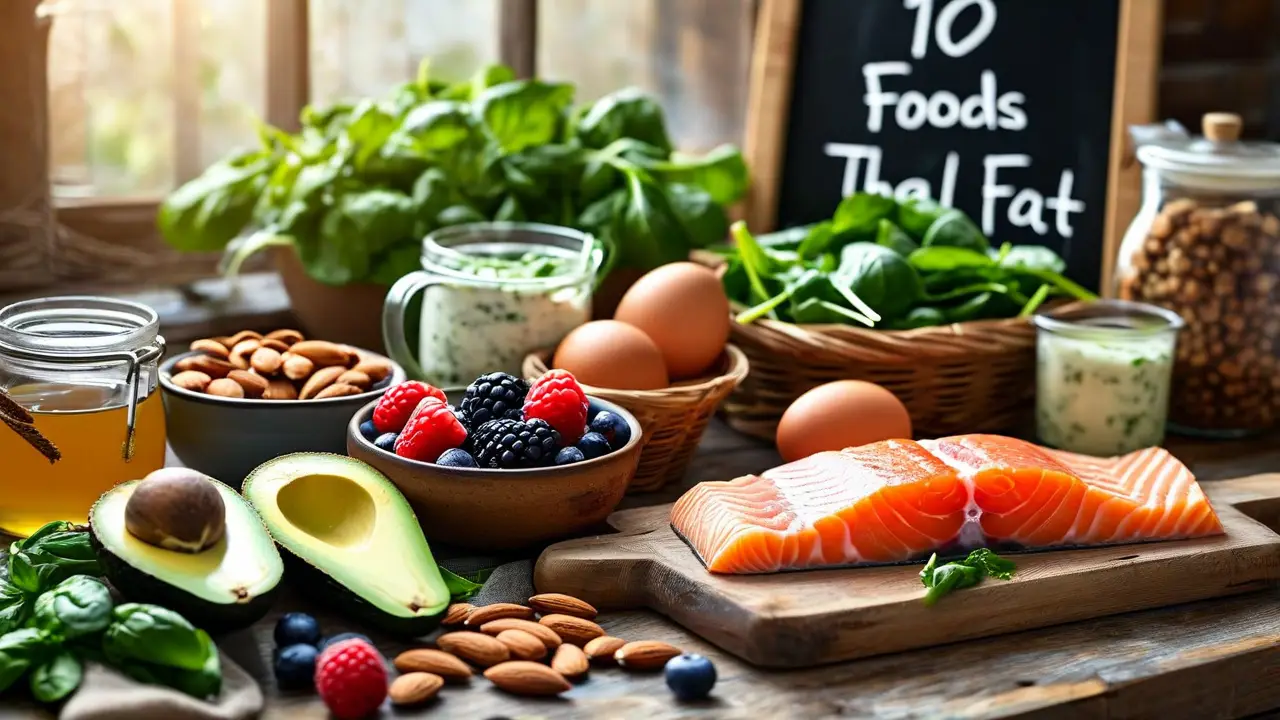
The phrase "fat-burning foods" can be misleading. No single food will magically melt away abdominal fat. However, certain foods possess properties that can significantly enhance your body's natural ability to manage weight, reduce inflammation, and regulate the hormones that influence fat storage—particularly the stubborn visceral fat in the belly. Here are 10 research-backed nutritional powerhouses to incorporate into your diet. 1.  Avocados: Rich in monounsaturated fats and fibre, avocados promote satiety, helping you feel full for longer and naturally reducing overall calorie intake. Their healthy fats also help modulate blood sugar spikes, preventing the insulin surges that encourage fat storage around the midsection. 2.  Eggs: A complete protein powerhouse, eggs are one of the m...
HIIT vs. Cardio: Which Burns Fat Faster?
Weight Loss & Fat Burning

HIIT vs. Cardio: Which Burns Fat Faster?

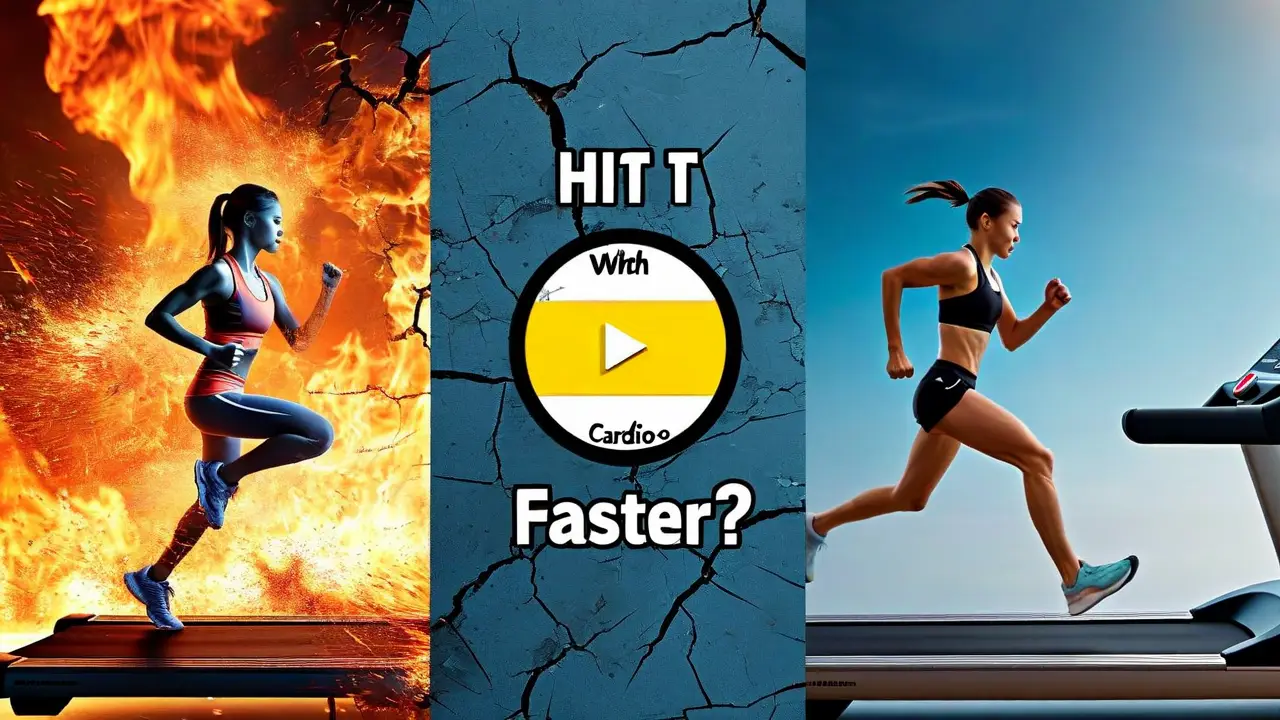
For decades, the steady rhythm of moderate-intensity cardio was the undisputed king of fat loss. But then, High-Intensity Interval Training (HIIT) burst onto the scene, promising superior results in a fraction of the time. So, which method truly reigns supreme for burning fat? The answer isn't as simple as one being "better" than the other; it depends on your physiology, schedule, and goals. Let's break down the science. The Case for Steady-State Cardio (LISS) Low-Intensity Steady-State (LISS) cardio, like jogging, brisk walking, or cycling at a consistent, manageable pace, is a proven and reliable fat-loss tool. During this type of exercise, your body primarily uses fat as its main fuel source because the intensity is low enough that oxygen is readily available to break down fatty a...
The Psychology of Weight Loss: Why Willpower Isn’t Enough
Weight Loss & Fat Burning

The Psychology of Weight Loss: Why Willpower Isn’t Enough

The traditional narrative of weight loss is a battle of willpower: resist the cake, force yourself to the gym, white-knuckle your way to a smaller pants size. This narrative is not only exhausting but is also scientifically flawed and a primary reason why so many diets fail long-term. Willpower is a finite cognitive resource, and when it's depleted, we revert to old habits. Sustainable weight loss is less about brute force and more about smart psychology and environmental design. The Willpower Myth: Roy Baumeister's seminal research on "ego depletion" demonstrated that willpower is like a muscle—it can become fatigued with overuse. Every decision you make throughout the day, from ignoring a distracting notification to dealing with a difficult coworker, draws from the same pool of men...
How to Create a Workout Plan That Actually Works
Muscle Building & Strength Training, Weight Loss & Fat Burning

How to Create a Workout Plan That Actually Works

A well-intentioned but poorly designed workout plan is a primary reason for fitness failure. People often jump in without a map, leading to confusion, lack of progress, and eventual quitting. A plan that "actually works" is one that is tailored to you—your goals, your schedule, and your preferences—and is built on the principles of specificity and progression. Let's build your blueprint for success. Step 1: Define Your "Why" with a SMART Goal. Vague goals like "get fit" or "lose weight" are hard to track. Instead, create a SMART goal: Specific: "I want to lose 10 pounds of fat." Measurable: "I want to be able to run a 5K without stopping." Achievable: Is your goal realistic for your current fitness level and timeline? Relevant: Why is this important to *you*? Time-Bound: "I will achie...
Why You’re Not Losing Weight: 10 Common Mistakes Explained
Weight Loss & Fat Burning

Why You’re Not Losing Weight: 10 Common Mistakes Explained

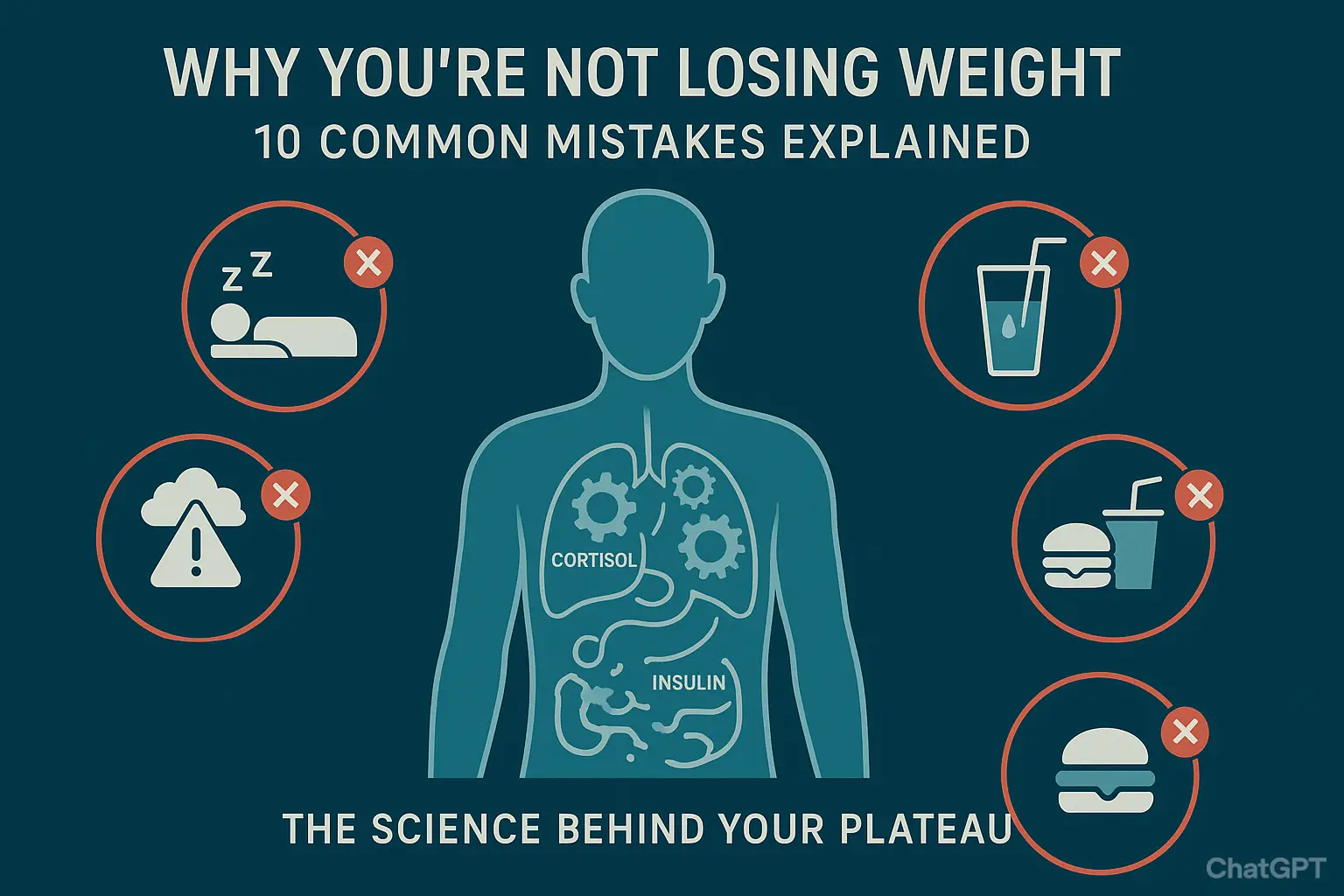
You’re putting in the work. You’re sweating, you’re saying "no" to desserts, and yet the number on the scale refuses to budge. It’s a frustrating and incredibly common experience. The truth is, weight loss is a complex process, and often, small, overlooked mistakes can create a big plateau. Before you throw in the towel, let’s diagnose the ten most common reasons why you’re not losing weight. 1. You’re Underestimating Your Calorie Intake. This is the number one culprit. That splash of cream in your coffee, the "healthy" handful of nuts, the dressing on your salad—it all adds up. Studies consistently show people underestimate their food intake by up to 50%. For one to two weeks, track everything you eat and drink with a food scale and app to recalibrate your perception of portion sizes. 2. ...