
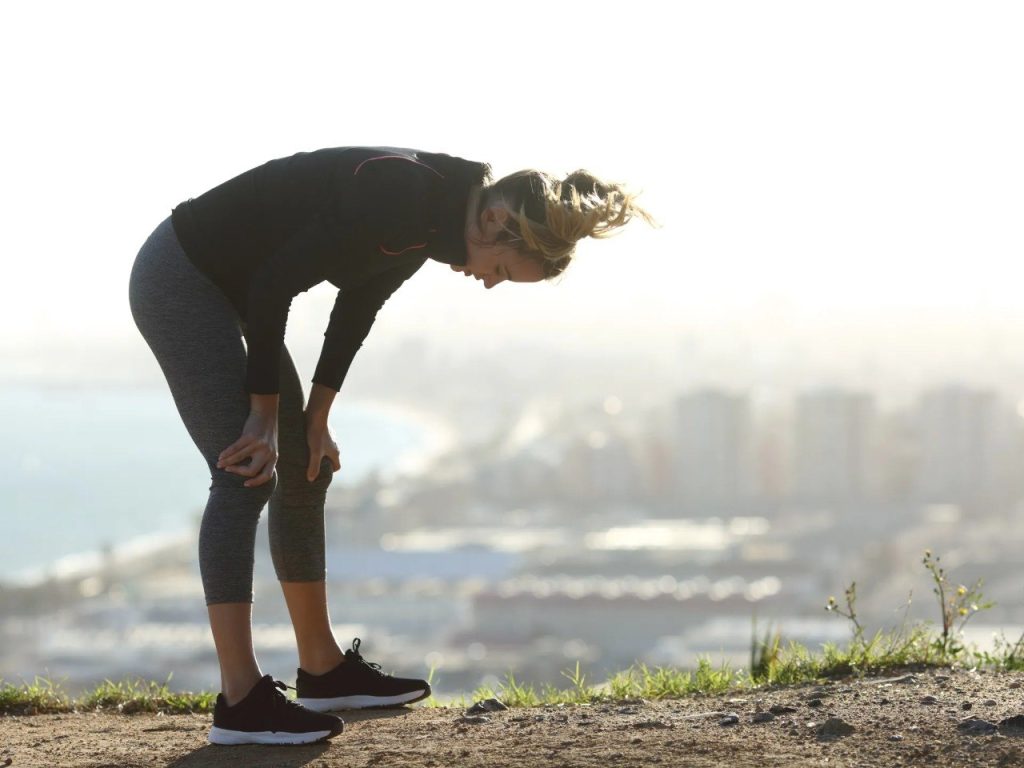
For many women trying to lose weight, the hardest part isn’t the workouts, the meal planning, or even the discipline required to stay consistent. It’s the running commentary from everyone else.
From family members to colleagues and social media acquaintances, women navigating weight loss often find themselves caught in a cycle of conflicting opinions. If they do nothing about their weight, someone will suggest they “start exercising” or “watch what they eat.”
But once they begin making those changes—hitting the gym regularly or paying closer attention to their meals—the narrative quickly shifts.
Suddenly, the concern becomes that they are “doing too much.”
The phenomenon reflects a broader cultural pattern where women’s bodies are continuously scrutinised, regardless of the choices they make. Whether the goal is to lose weight, build strength, or simply improve overall health, outside commentary can quickly turn a personal wellness journey into a public debate.
The Double Standard Around Women’s Bodies
Health experts note that weight-related conversations often carry social pressure, particularly for women. In many communities—Ghana included—body image expectations are deeply rooted in cultural perceptions of beauty, health, and status.
In some contexts, a fuller figure may be associated with prosperity and well-being. In others, global fitness trends promoting lean physiques dominate the conversation. The result is a confusing set of expectations that can leave women feeling as though they are constantly getting it wrong.
If weight loss efforts don’t immediately show results, questions follow: “I thought you were dieting. Why haven’t you lost weight?”
But if the weight does begin to come off, a new round of commentary appears: “You’re getting too skinny. Are you okay?”
The shifting criticism highlights an important truth: public opinions about personal health are rarely consistent or helpful.
The Reality of Modern Wellness
In today’s fast-paced, digitally connected world, health journeys are increasingly visible. Fitness routines, diet plans, and body transformations are often shared online, where opinions travel quickly.
At the same time, modern lifestyles present genuine health challenges. Long office hours, sedentary work environments, and easy access to processed foods have made maintaining a healthy weight more complicated than ever.
Regular exercise, balanced nutrition, and consistent habits remain the foundation of sustainable weight management. Yet experts emphasise that these goals must ultimately be driven by personal motivation—not outside approval.
Three Principles for Staying Focused
For anyone navigating weight loss amid constant opinions, wellness professionals often recommend focusing on three key principles.
1. Know your goal and your reason.
Whether the aim is improved fitness, better energy levels, or managing a health condition, clarity helps maintain focus. A strong personal “why” makes it easier to stay committed when outside opinions become distracting.
2. Understand that commentary is temporary.
People tend to comment casually on what they see—often without considering the impact of their words. Most move on quickly, while the person receiving the comment is left to process it. Recognising this can help reduce the emotional weight of those remarks.
3. Stay committed to your own journey.
Consistency matters more than public approval. Progress in health and fitness is rarely linear, and outside voices should not determine the pace or direction of personal change.
The Bottom Line
Weight loss, like any wellness goal, is deeply personal. While opinions may come from friends, family, or strangers online, they rarely reflect the full story behind someone’s health journey.
Ultimately, sustainable progress comes from clarity, consistency, and self-confidence—qualities that matter far more than the commentary surrounding them.
women and weight loss, body image pressure, fitness motivation, healthy lifestyle habits, gym culture, nutrition awareness, wellness mindset, sustainable weight loss, social pressure, women’s health