
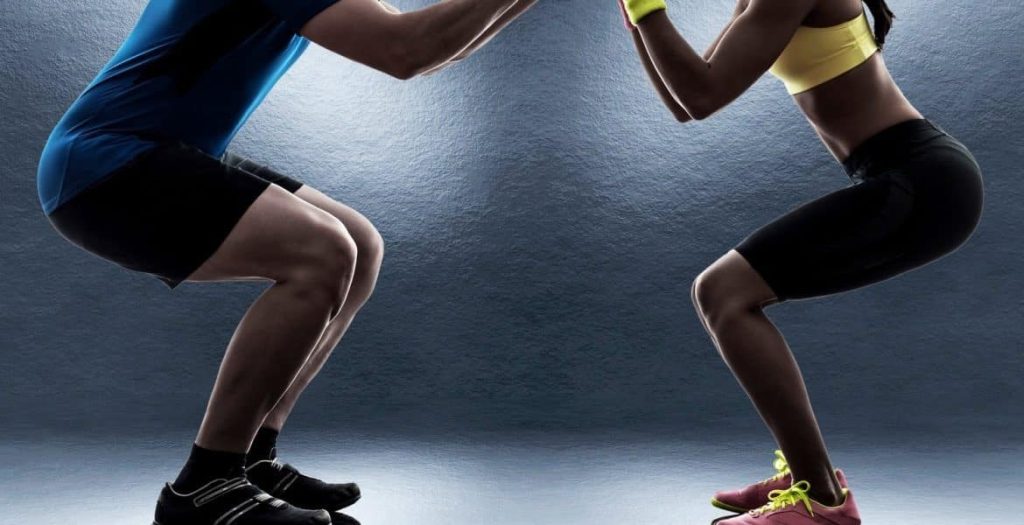
Step into a gym for the first time—or even after a long break—and the experience can feel overwhelming. Rows of machines, endless workout programs, and a sea of people who seem to know exactly what they’re doing can make fitness feel intimidating. For many beginners, the question becomes simple: Where do I even start?
Fitness experts say the answer might be far less complicated than most people think. One of the most effective and accessible exercises requires no machines, no special equipment, and very little space. It’s the squat—one of the most fundamental human movements and arguably one of the most powerful exercises for building overall fitness.
A Movement We Already Do Every Day
At its core, the squat is not a complex gym exercise but a natural movement the body performs daily. Sitting down, standing up, and even basic household tasks involve some form of squatting motion.
Because of this, strengthening the muscles used in squats—such as the quadriceps, hamstrings, calves, and core—can support everyday mobility and long-term independence. Fitness professionals often recommend bodyweight squats, also known as “air squats,” as a starting point because they train these functional muscles without requiring weights.
For people who spend long hours sitting at desks or working in front of screens, maintaining these foundational movements is especially important. Prolonged sitting can weaken lower-body muscles and limit joint mobility, making everyday movements more difficult over time.
Rebuilding Mobility and Balance
One of the lesser-discussed benefits of squatting is its role in restoring mobility. Many adults struggle to squat deeply due to tight hips, stiff ankles, or weak leg muscles—issues that often develop gradually with age and sedentary lifestyles.
Interestingly, young children can naturally squat with ease and balance. But as schooling and office work introduce more sitting into daily life, that flexibility often disappears.
Fitness trainers say it’s possible to regain much of that natural mobility through regular practice. Beginners can start by squatting toward a chair, bench, or exercise ball for support, gradually lowering deeper as strength and flexibility improve. Over time, the body adapts, improving balance, joint mobility, and overall coordination.
Circulation and Whole-Body Benefits
Research also suggests that squatting may benefit cardiovascular circulation. A study published in the American Heart Journal found that moving from standing to a squat increases arterial blood pressure, cardiac output, and central blood volume in healthy individuals.
In simple terms, squatting encourages better blood flow throughout the body. Healthy circulation is essential for delivering oxygen and nutrients to organs and tissues, including the brain. Poor circulation has been linked to several chronic conditions, including hypertension, diabetes, and obesity.
A Powerful Muscle Builder
Beyond mobility and circulation, squats are known for their ability to engage a large portion of the body’s muscles at once. Because the movement recruits multiple muscle groups simultaneously, it triggers the release of natural anabolic hormones that support muscle development.
Fitness professionals estimate that compound movements like squats can activate up to 70 percent of the body’s muscle mass, making them one of the most efficient exercises for building strength.
This is one reason squats are widely used in both beginner workout routines and advanced athletic training programs.
Burning Calories and Supporting Fat Loss
While cardio machines such as treadmills and exercise bikes are often associated with fat burning, resistance exercises like squats also play a significant role in calorie expenditure.
Squats require substantial muscular effort, meaning the body burns calories both during and after the exercise. As muscle mass increases, metabolism can also improve. Research suggests that each pound of muscle gained may help the body burn roughly 50 additional calories per day at rest.
For individuals trying to manage weight while balancing work, family, and other responsibilities, this combination of strength-building and calorie burning makes squats particularly valuable.
A Simple Movement With Lasting Impact
In a fitness landscape full of complicated programs and high-tech equipment, the squat stands out for its simplicity and effectiveness. It builds strength, supports mobility, improves circulation, and can help increase calorie burn—all through a movement the body already knows how to perform.
For beginners and experienced exercisers alike, the message from fitness experts is clear: sometimes the most powerful workouts start with the most basic human movements.