
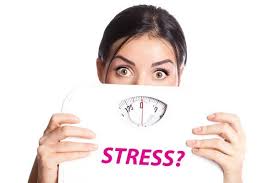
You’re doing everything right. You swapped the soda for sparkling water. You’re walking 8,000 steps a day. You’re even saying no to the bread basket. Yet, the scale might as well be glued to the floor.
If you are stuck in a frustrating plateau, the culprit might not be in your kitchen—it might be in your head. Chronic stress is the silent saboteur of weight loss. Here is why your brain chemistry is fighting your fitness goals.
1. You’re Packing on “Survival Weight”
To understand why stress kills weight loss, you have to look back at caveman times. When a saber-toothed tiger chased your ancestor, their body released cortisol (the stress hormone) to give them a burst of energy.
The problem? Your body doesn’t know the difference between a tiger and a traffic jam. When you sit in gridlock stressing about being late, your body thinks you just survived a physical attack. To “protect” you, it holds onto fat stores in case you need to run again later. You aren’t gaining weight because you are weak; you are gaining weight because your body is trying to keep you alive.
2. The “Belly Fat” Vault
Cortisol doesn’t just make you store fat; it directs exactly where that fat goes. Research suggests that high cortisol levels are linked to increased visceral fat—the dangerous belly fat that wraps around your organs.
Think of your midsection as a storage vault. Cortisol takes the fat from your lunch and specifically locks it away in your gut. So, even if you eat a salad, if you eat it while arguing with your spouse or scrolling through stressful news, that meal is more likely to settle around your waistline than if you ate it calmly.
3. The Late-Night Snack Attack
Have you ever noticed that willpower disappears after a terrible day at work? That isn’t a lack of discipline; it’s biology.
When you are stressed, your body craves quick energy. It wants sugar and carbohydrates because they burn fast. This is the “fight or flight” response demanding fuel. After a long day of high cortisol, your leptin levels (the hormone that tells you you’re full) drop, while your ghrelin levels (the hormone that makes you hungry) spike. You aren’t eating because you’re hungry; you’re eating because your hormones are screaming for relief.
The Bottom Line
You can’t out-exercise a stressed-out nervous system. While diet and exercise are vital, they won’t work if your body is in survival mode. Sometimes, the best thing you can do for your waistline isn’t another mile on the treadmill, but five minutes of deep breathing to tell your brain that the tiger is gone, and it’s safe to let go of the weight.