
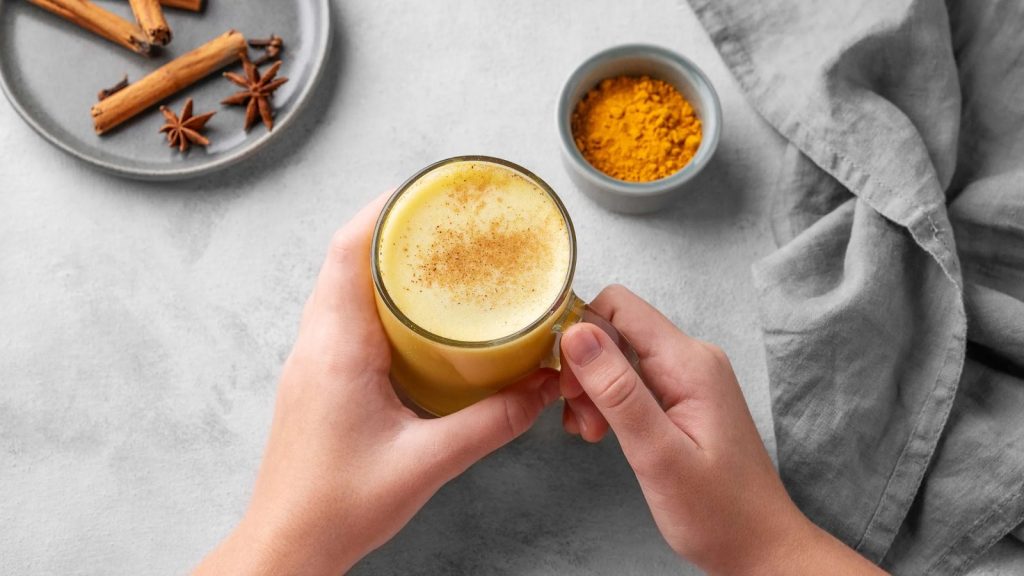
A kitchen spice rack may look ordinary, but for many women it holds ingredients that have been valued for generations, not just for flavour, but for health. Across cultures—from West Africa to South Asia—traditional cooking often relies on spices believed to support digestion, balance hormones, and ease common women’s health concerns. Among the many options available, three stand out for the attention they’ve received in both traditional medicine and modern nutrition discussions.
1. Turmeric: The Golden Spice for Inflammation
Few spices have gained as much global recognition as Turmeric. Known for its bright yellow colour and earthy flavour, turmeric has long been used in traditional remedies and everyday cooking.
One of its most talked-about properties is its anti-inflammatory effect, largely linked to a compound called curcumin. Chronic inflammation has been associated with several conditions affecting women, including Polycystic Ovary Syndrome (PCOS). Some studies suggest turmeric may help reduce inflammation and support metabolic health.
In traditional health systems, turmeric is also believed to support liver function and blood circulation. While more research is still ongoing, many nutritionists say adding small amounts of turmeric to soups, stews, or teas can be a simple way to incorporate its potential benefits into daily meals.
2. Cinnamon: A Natural Ally for Blood Sugar Balance
Another spice gaining attention in nutrition research is Cinnamon. With its sweet aroma and warm flavour, cinnamon is widely used in beverages, baked foods, and traditional remedies.
Some studies suggest cinnamon may help regulate blood sugar levels by improving insulin sensitivity. This is particularly relevant for women managing conditions such as Prediabetes or insulin resistance, which can also be linked to PCOS.
Cinnamon is also valued in traditional medicine for supporting metabolism and helping curb sugar cravings. Whether sprinkled into oatmeal, blended into smoothies, or added to tea, it remains a simple and widely available spice that can support healthier eating habits.
3. Fenugreek: A Traditional Tonic for Women’s Health
The third spice, often highlighted in traditional health practices, is Fenugreek. The small golden seeds have a slightly bitter flavour and are commonly used in soups, sauces, and herbal preparations.
Fenugreek has long been associated with women’s reproductive health. In some traditional systems, it is believed to support hormonal balance and menstrual regularity. It has also been studied for its potential role in managing cholesterol levels and supporting digestive health.
One common home preparation involves soaking fenugreek seeds overnight and boiling them into a mild herbal drink. While scientific research is still evolving, many people include fenugreek in their diets as part of broader healthy eating habits.
Small Ingredients, Big Health Conversations
Spices may be used in tiny amounts, but their role in food culture and wellness traditions is enormous. For women looking to support their health through diet, ingredients like turmeric, cinnamon, and fenugreek offer a reminder that everyday cooking can also carry centuries of nutritional wisdom.
Of course, spices are not miracle cures. Balanced meals, regular exercise, and proper medical care remain essential. Still, adding these time-tested spices to the kitchen can be a flavourful step toward healthier living.