Tag: 613.2

Tiny Seeds, Mighty Impact: Why Dietitians Are Calling Chia a True ‘Superfood’
Personal Stories & Opinion

Tiny Seeds, Mighty Impact: Why Dietitians Are Calling Chia a True ‘Superfood’

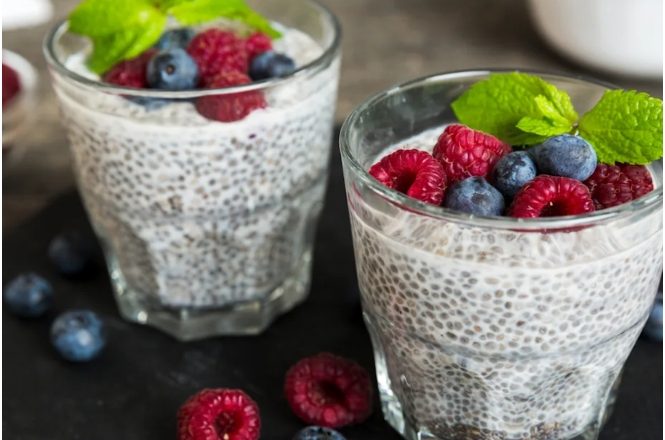
Often dismissed as a fleeting modern wellness trend, chia seeds have actually been a dietary staple for centuries, serving as a cornerstone of Mayan and Aztec culture. Ancient warriors used them to fuel stamina for long treks, healers utilized them to soothe joint pain, and whole economies traded them as currency. Today, these nutrient-dense powerhouses have reclaimed their place in pantries worldwide. According to a consensus among nutrition experts, the resurgent popularity of chia seeds is grounded in robust scientific evidence rather than influencer marketing. "If there were such a thing as a superfood, chia seeds would fall under that category," states registered dietitian Amanda Holtzer. The data substantiates this claim. A single one-ounce serving (roughly two tablespoons) ...

Just 11 Minutes More Sleep, 50g Extra Vegetables & 4.5 Minutes of Exercise Daily Can Slash Heart Attack Risk by 10%, New Study Finds
Muscle Building & Strength Training

Just 11 Minutes More Sleep, 50g Extra Vegetables & 4.5 Minutes of Exercise Daily Can Slash Heart Attack Risk by 10%, New Study Finds

A major international study has revealed that small, realistic daily habit changes can deliver powerful protection against heart attacks, heart failure, and strokes. Researchers from Australia, Chile, and Brazil, analyzing data from over 53,000 UK Biobank participants over eight years, found that adding just 11 minutes of sleep per night, consuming an extra 50 grams of vegetables daily, and increasing moderate-to-vigorous exercise by 4.5 minutes can collectively reduce the risk of major cardiovascular events by 10%. The findings were published in the European Journal of Preventive Cardiology. The study, which used wearable devices for sleep and exercise tracking alongside dietary self-reports, recorded 2,034 major cardiovascular events during the follow-up period. Participants ...
What People Get Wrong About Calories and Weight Loss
Nutrition & Meal Planning

What People Get Wrong About Calories and Weight Loss

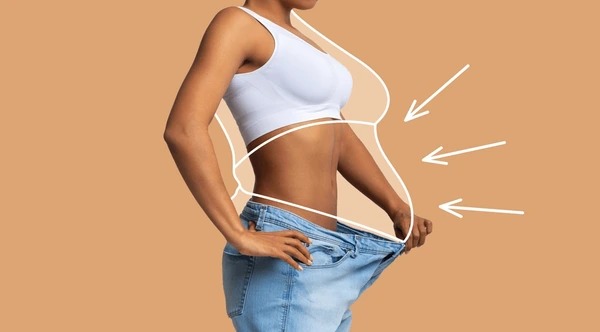
A plate of waakye with fish, boiled eggs, and shito may carry more calories than a packaged snack and soft drink combo from a convenience store. Yet one meal is far more likely to keep you satisfied, energized, and nourished for hours. That simple reality explains why many nutrition experts are rethinking how people approach weight loss. Counting calories can help, but focusing only on numbers often misses the bigger picture of how food actually affects the body. For years, calorie counting has been treated as the gold standard of dieting. Apps, smartwatches and meal trackers encourage people to log every bite, sip and snack. And yes, creating a calorie deficit — eating fewer calories than the body burns — remains one of the core principles of weight loss. But health professionals...
The Hidden Victories of Weight Loss Most People Forget to Celebrate
Weight Loss & Fat Burning

The Hidden Victories of Weight Loss Most People Forget to Celebrate

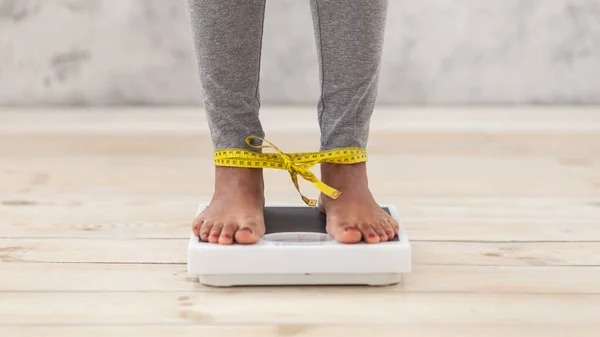
There is a moment many people know too well: you have been eating better, walking more, sleeping earlier and saying no to late-night takeout — yet the bathroom scale barely moves. For some, that single number can feel discouraging enough to give up entirely. But health experts are increasingly urging people to look beyond weight alone and pay attention to what are known as “non-scale victories” — the quieter signs that the body and mind are changing long before dramatic weight loss appears. Sometimes progress looks less like shrinking numbers and more like climbing stairs without losing your breath. The Health Changes You Feel Before You See In Ghana, where conversations around wellness often focus heavily on appearance, many people overlook the early signs that healthier ha...
Forget Extreme Diets: The Power of Small Health Habits That Actually Stick
Weight Loss & Fat Burning

Forget Extreme Diets: The Power of Small Health Habits That Actually Stick

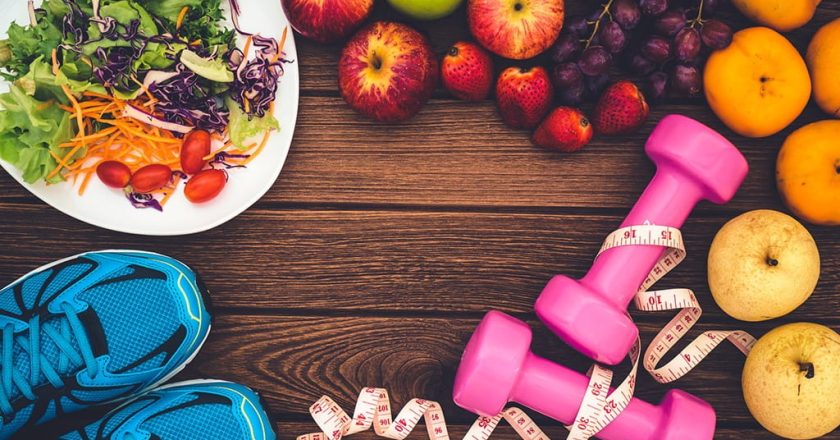
For many people, weight loss begins with grand promises: no sugar, 5 a.m. workouts, strict meal plans and a determination that lasts exactly until the next stressful week. Then reality returns. The problem is not always motivation. Often, it is the size of the change itself. That is why health experts are increasingly paying attention to something far less dramatic but surprisingly effective: microhabits. These are tiny actions repeated consistently — drinking water before meals, taking a short walk after eating or adding protein to breakfast. On their own, they seem almost too small to matter. But together, they can reshape the way people eat, move and respond to hunger without the emotional exhaustion that often comes with aggressive dieting. Why Small Changes Work Better ...
The Everyday Habits That Makes You Bloat – And it’s Not Food
Nutrition & Meal Planning

The Everyday Habits That Makes You Bloat – And it’s Not Food

It is one of the most frustrating feelings: waking up puffy, sluggish and uncomfortable even when you have not eaten a huge meal. For many people, bloating is quickly blamed on a single food — too much bread, fizzy drinks or late-night eating. But health experts say the real issue is often bigger than what is sitting on the plate. Water retention and bloating are deeply connected to how the body handles stress, sleep, movement and hydration throughout the day. In other words, your swollen stomach may have less to do with one bad meal and more to do with the rhythm of your lifestyle. The Body Holds On When It Feels Stressed One of the biggest misconceptions about water retention is that drinking less water will solve it. In reality, the opposite is often true. When the bo...
The Health Choices You Make Today Shape Your Future
Personal Stories & Opinion

The Health Choices You Make Today Shape Your Future

Most people believe they will have time to “start later.” Later to exercise. Later to eat better. Later to finally book that medical check-up they have postponed for years. But the body has a way of quietly keeping score, and eventually those small delays can become life-changing consequences. “Take care of yourself while you still have a choice” sounds simple, yet it may be one of the most important health lessons of modern life. The Dangerous Habit of Waiting For many adults, especially in busy cities like Accra, Kumasi, London, or New York, health often drops to the bottom of the priority list. Work deadlines come first. School fees come first. Family responsibilities come first. By the time people notice persistent fatigue, high blood pressure, weight gain, or constant body pa...
The Silent Health Risks Hiding in Popular Convenience Foods
Nutrition & Meal Planning

The Silent Health Risks Hiding in Popular Convenience Foods

It usually starts small: a fizzy drink with lunch, a late-night pack of chips, fried chicken after a long day because it’s quick and comforting. These foods have become so woven into daily life that many people barely notice how often they reach for them. Yet health experts continue to warn that some of the most common convenience foods may also be the biggest threats to long-term wellbeing. The Everyday Foods Doing the Most Damage Deep-fried foods, processed meats, sugary sodas, chips, and sweets all share one thing in common: they are engineered to keep people craving more while offering very little nutritional value. They are high in unhealthy fats, excess salt, refined sugar, and chemical additives that place enormous stress on the body over time. Take processed meats such...
Could Your Diet Help Protect Your Brain as You Age?
Nutrition & Meal Planning

Could Your Diet Help Protect Your Brain as You Age?

Long before memory loss appears, the brain may already be responding to everyday food choices. Scientists studying Alzheimer’s disease are increasingly paying attention to what happens not just inside the brain, but also inside kitchens, grocery baskets, and dinner routines. While no single food has been proven to prevent dementia, growing research suggests that long-term eating habits could influence how the brain ages. That possibility is reshaping the conversation around healthy aging. Why Brain Health Starts With Everyday Meals For years, Alzheimer’s research focused heavily on genetics and medication. Now researchers are exploring another factor: chronic inflammation and metabolic health. Diets high in processed foods, sugar, and saturated fats may contribute to con...
Inside the Growing Wellness Habit of Adults Over 50
Weight Loss & Fat Burning

Inside the Growing Wellness Habit of Adults Over 50

A growing number of older adults are starting their mornings with a small collection of capsules lined neatly beside breakfast. Calcium for the bones. Vitamin D for energy. Herbal mixtures for memory. Multivitamins for “general wellness.” The modern supplement routine has become almost as common as morning tea. But health experts say many people are taking dietary supplements without fully understanding what is actually inside them — or whether they need them at all. Why More Adults Are Turning to Supplements As people age, nutritional needs change. The body may absorb certain vitamins less efficiently, appetite can decline, and medical conditions may affect how nutrients are processed. That is why supplements such as calcium, vitamin D, vitamin B12, and vitamin B6 are often...