
Often dismissed as a fleeting modern wellness trend, chia seeds have actually been a dietary staple for centuries, serving as a cornerstone of Mayan and Aztec culture. Ancient warriors used them to fuel stamina for long treks, healers utilized them to soothe joint pain, and whole economies traded them as currency. Today, these nutrient-dense powerhouses have reclaimed their place in pantries worldwide. According to a consensus among nutrition experts, the resurgent popularity of chia seeds is grounded in robust scientific evidence rather than influencer marketing.
“If there were such a thing as a superfood, chia seeds would fall under that category,” states registered dietitian Amanda Holtzer.
The data substantiates this claim. A single one-ounce serving (roughly two tablespoons) delivers 10 grams of dietary fiber, 5 grams of protein, and over 20% of the daily requirement for essential micronutrients like magnesium and selenium. Health experts point to these specific metrics when recommending the seeds as a foundational component of a balanced diet.
Plant-Based Omegas and a Fiber Boost
One of the primary reasons chia seeds have earned their nutritional accolades is their exceptionally high concentration of alpha-linolenic acid (ALA)—a plant-based omega-3 fatty acid. As the human body cannot produce omega-3s independently, dietary intake is essential. Chia seeds present an easily accessible solution for vegetarians, vegans, and omnivores alike.
Research backs these benefits. According to a 2022 review published in Advances in Nutrition, increasing dietary ALA is associated with a 10% lower risk of heart disease and a 20% reduced risk of fatal heart disease. Dietitians frequently highlight that these healthy fats play a critical role in lowering LDL (“bad”) cholesterol, reducing chronic systemic inflammation, and supporting optimal brain and eye health.
Equally vital is the seed’s impressive fiber profile. Registered dietitian Avery Zenker explains that the 10 grams of fiber in just two tablespoons of chia seeds provide roughly 35% of the daily recommended intake. Given that an estimated 95% of the population does not meet daily fiber goals, this represents a significant nutritional advantage.
“Fiber supports a healthy gut microbiome and helps us have regular, well-formed bowel movements,” Zenker notes. Furthermore, because the seed’s fiber and protein content work synergistically to slow digestive rates, they assist in stabilizing blood sugar levels and promoting a prolonged feeling of satiety after meals.
Antioxidants, Minerals, and a Complete Protein Profile
Beyond their macronutrient content, chia seeds contain a dense profile of essential minerals. Nutritionists highlight their significant concentrations of manganese (34% DV), selenium (29% DV), copper (29% DV), and magnesium (23% DV), along with smaller yet notable amounts of calcium, iron, and zinc.
“Chia seeds contain antioxidants like polyphenols, specifically flavonoids, which have anti-inflammatory properties,” Zenker explains. These naturally occurring plant compounds, including quercetin and chlorogenic acid, have been linked in preliminary research to protective cardiovascular effects and potential cancer risk reduction. An ancillary benefit of this high antioxidant content is preservation: it prevents the healthy fats in the seeds from oxidizing rapidly, giving chia seeds a remarkably long shelf life compared to other nuts and seeds.
For individuals adhering to a plant-based lifestyle, chia seeds offer a rare nutritional advantage: they are a complete protein. While animal proteins are the conventional source for all nine essential amino acids, complete plant sources are scarce. Chia seeds supply these crucial amino acids, contributing 5 grams of high-quality protein per serving to help consumers meet daily nutritional targets.
The Science Behind the Hype
While chia seeds possess an undeniably beneficial nutritional profile, health-conscious consumers often question their direct impact on weight loss and heart disease. Current research presents a nuanced picture.
A 2025 meta-analysis confirmed that regular chia consumption significantly reduced blood pressure in adults. However, when examining broader weight-loss metrics, meta-analyses conducted in 2024 and 2025 found no significant link between chia seeds and changes in overall body mass index (BMI) or total weight. Nevertheless, both studies identified a crucial finding: participants who consumed chia seeds experienced a significant reduction in waist circumference—a key clinical indicator of visceral fat and metabolic health.
Additionally, while recent 2024 studies did not find strong direct statistical links between chia intake and reduced total cholesterol or fasting glucose, dietitians emphasize that this does not negate their overall dietary value. The high fiber and anti-inflammatory omega-3 content still render them powerful allies in an overarching heart-healthy and glucose-managing lifestyle.
Integrating Chia Seeds into the Daily Diet
Practicality is one of the seed’s greatest selling points. Due to their dual nature as both a thickening agent and a crunchy topping, they integrate seamlessly into various meals and snacks.
- Morning Oats and Parfaits: Holtzer recommends combining chia seeds with plain Greek yogurt, peanut butter, bananas, and blueberries for a highly satiating, protein-dense breakfast.
- Salad Enhancers: Mindy Haar, PhD, RDN, suggests simply sprinkling a tablespoon of chia seeds onto leafy greens alongside olive oil and sunflower seeds. If mixing into homemade dressings, experts advise adding them just before serving to prevent premature gelling.
- Low-Sugar Fruit Spread: A popular preparation method involves simmering mixed berries with a small amount of maple syrup, mashing them, and stirring in chia seeds to thicken. Upon cooling, this creates a fiber-rich, homemade jam perfect for whole-grain toast.
- Vegan Baking Substitute: Because chia seeds form a viscous gel when hydrated, they serve as an effective egg replacement in baking. One tablespoon of seeds combined with three tablespoons of water creates a binding agent capable of replacing a single egg in most recipes.
Chia Pudding Recipe for a Balanced Snack
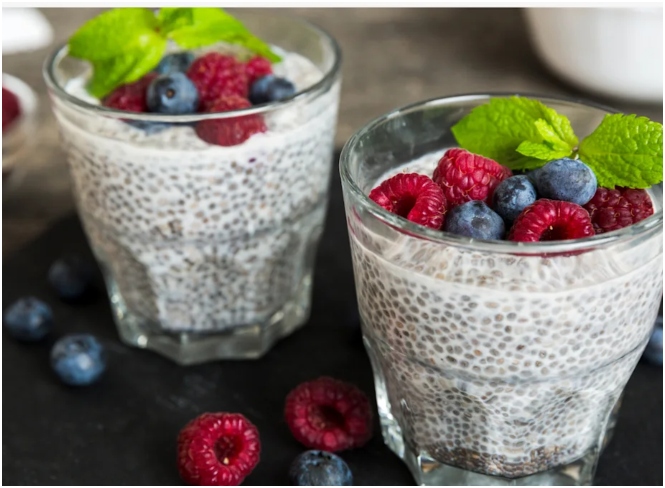
For a simple, satisfying snack, clinical nutritionist Jennie Miremadi recommends combining two tablespoons of chia seeds with half a cup of plant-based milk (such as coconut or oat) and a touch of honey. The mixture is refrigerated overnight to thicken. For an additional protein boost, Miremadi suggests mixing in half a scoop of protein powder and topping the finished pudding with fresh berries and granola.
While chia seeds do not act as a magical solution for rapid weight loss, the overwhelming consensus in the nutritional science community is clear: they are a functional, affordable, and sustainable addition to any health-focused kitchen. From their ancient origins as warrior fuel to their modern identification as a metabolism-supporting staple, these tiny seeds continue to prove that their health hype is firmly rooted in empirical nutritional data.