Tag: Omega-3 fatty acids

Can Tinned Fish Actually Protect Your Skin from UV Damage?
Nutrition & Meal Planning

Can Tinned Fish Actually Protect Your Skin from UV Damage?

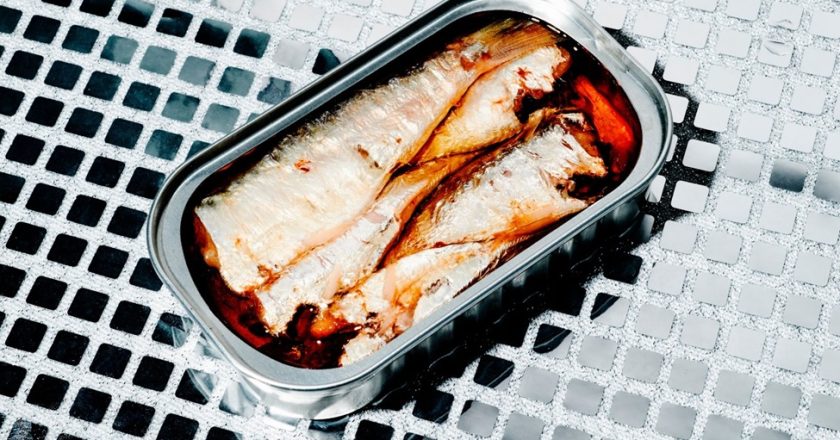
If you’re scrolling through TikTok lately, you might notice something unexpected: the humble tin of sardines is having a high-fashion makeover. Once relegated to the back of a grandmother’s pantry or served as a budget-friendly snack, these small, oily fish are now being rebranded as "nature’s Botox." The viral trend—fueled by influencers promising "glass skin" and a dewy, translucent complexion—has elevated sardines to the status of a super-food. But while the internet loves a "quick fix" beauty hack, the science behind the sardine obsession is far more nuanced than a three-day transformation. The Science of the Glow The primary reason sardines are a skincare powerhouse lies in their high concentration of Omega-3 fatty acids, specifically eicosapentaenoic acid (EPA) and docosahex...
New Study Suggests Fish Oil Supplements May Hinder Brain Recovery After Injury
Nutrition & Meal Planning

New Study Suggests Fish Oil Supplements May Hinder Brain Recovery After Injury

A new study is challenging long-held assumptions about the benefits of fish oil supplements, suggesting they may actually impair brain recovery under certain conditions. Researchers at the Medical University of South Carolina found that omega-3 supplements—widely promoted for supporting brain health, could interfere with healing following repeated mild traumatic brain injuries (TBI). Published in the journal Cell Reports, the study was led by neuroscientist Onder Albayram. His team investigated how the brain repairs blood vessels after injury and discovered a “context-dependent” vulnerability linked to eicosapentaenoic acid (EPA), a key component of fish oil. In experimental models, higher levels of EPA were associated with weaker recovery, particularly affecting the brain’s ability...
Flaxseed and Heart Health: The Tiny Superfood That May Help Lower Cholesterol
Nutrition & Meal Planning

Flaxseed and Heart Health: The Tiny Superfood That May Help Lower Cholesterol

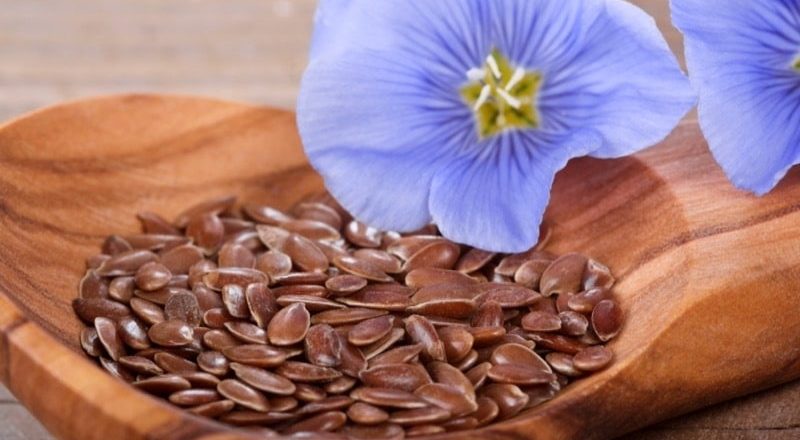
Heart disease remains one of the world’s leading health threats, and one major culprit continues to be high cholesterol. Yet nutrition experts say a small, overlooked seed found in many health stores and kitchens may offer a surprisingly powerful ally in managing it: flaxseed. Often called a “functional food,” flaxseed has gained attention among researchers and nutritionists for its potential role in supporting heart health. Packed with fiber, healthy fats, and plant-based compounds, the tiny seed is increasingly being studied for its ability to help reduce cholesterol levels naturally. The Growing Global Cholesterol Problem Cholesterol is a waxy substance present in every cell of the human body and plays a role in producing hormones, vitamin D, and digestive compounds. However, w...
Doctors Say Most Supplements Are Unnecessary, But These Six May Be Worth Considering
Personal Stories & Opinion

Doctors Say Most Supplements Are Unnecessary, But These Six May Be Worth Considering

The modern wellness industry thrives on a simple promise: there is a pill for almost everything. From sharper focus and deeper sleep to stronger workouts and smoother digestion, supplements now sit at the centre of many daily health routines. Yet behind the booming market lies a quieter truth from within the medical community—most doctors remain cautious about what they actually take themselves. According to the U.S. Office of Dietary Supplements, about half of American adults and a third of children regularly use dietary supplements. But many physicians warn that enthusiasm has far outpaced scientific necessity. Jeffrey Linder, a general internist and professor at Northwestern University’s Feinberg School of Medicine, has been blunt in his assessment, saying that a “vast majority o...