
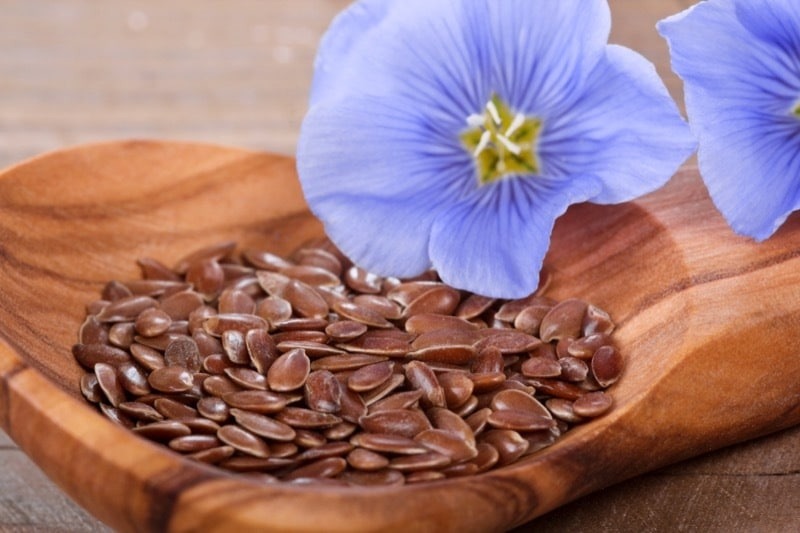
Heart disease remains one of the world’s leading health threats, and one major culprit continues to be high cholesterol. Yet nutrition experts say a small, overlooked seed found in many health stores and kitchens may offer a surprisingly powerful ally in managing it: flaxseed.
Often called a “functional food,” flaxseed has gained attention among researchers and nutritionists for its potential role in supporting heart health. Packed with fiber, healthy fats, and plant-based compounds, the tiny seed is increasingly being studied for its ability to help reduce cholesterol levels naturally.
The Growing Global Cholesterol Problem
Cholesterol is a waxy substance present in every cell of the human body and plays a role in producing hormones, vitamin D, and digestive compounds. However, when cholesterol levels become unbalanced—particularly when levels of low-density lipoprotein (LDL), often called “bad cholesterol,” rise—the risk of cardiovascular diseases increases significantly.
Globally, millions of people live with elevated cholesterol levels. Health experts link the problem largely to modern diets rich in fried foods, processed snacks, fatty meats, and high-fat dairy products. Combined with sedentary lifestyles, long office hours, and reduced physical activity, these habits contribute to a growing burden of heart disease.
While cholesterol-lowering medications can help many people manage the condition, they sometimes come with side effects such as muscle discomfort, digestive issues, or increased blood sugar levels. As a result, many health professionals encourage dietary changes as a first line of defense.
Why Flaxseed Stands Out
Flaxseed, derived from the flax plant (Linum usitatissimum), has been consumed for centuries but is only recently gaining broader attention in nutrition science. Researchers say its heart-health potential lies in three key components.
Omega-3 fatty acids
Flaxseed is one of the richest plant-based sources of alpha-linolenic acid (ALA), a type of omega-3 fatty acid. Omega-3s are widely recognized for supporting cardiovascular health and may help reduce levels of LDL cholesterol in the bloodstream.
Soluble fiber
Another important component is soluble fiber. When flaxseed is digested, this fiber forms a gel-like substance that binds with cholesterol in the digestive tract. This process can help prevent cholesterol from being absorbed into the bloodstream, supporting healthier cholesterol levels.
Lignans and antioxidants
Flaxseed also contains high levels of lignans—plant compounds known for their antioxidant properties. These compounds help combat oxidative stress and inflammation, both of which are linked to cardiovascular disease.
Some research suggests flaxseed may even contribute to reducing plaque buildup in arteries, although scientists emphasize that more long-term studies are needed.
Simple Ways to Add Flaxseed to Your Diet
Nutritionists say flaxseed is easy to incorporate into everyday meals. However, preparation matters.
Choose ground flaxseed
Whole flaxseeds can pass through the digestive system without being fully absorbed. Ground flaxseed—available in stores or made at home with a grinder—allows the body to absorb its nutrients more effectively. A tablespoon can be added to oatmeal, cereal, yogurt, or smoothies.
Use flaxseed oil in moderation
Flaxseed oil provides concentrated omega-3 fatty acids and can be drizzled over salads or cooked vegetables. However, it does not contain the fiber found in ground flaxseed.
Try flaxseed flour in baking
For those who enjoy baking, flaxseed flour can replace part of regular flour in recipes such as bread, pancakes, or muffins, boosting fiber and nutritional value.
Part of a Bigger Heart-Health Strategy
Experts stress that flaxseed alone is not a cure for high cholesterol. Its benefits are most effective when combined with a balanced diet rich in fruits, vegetables, whole grains, and regular physical activity.
In today’s fast-paced world—where processed foods and sedentary routines are common—small dietary changes can make a meaningful difference.
For many people, adding a spoonful of flaxseed to their daily routine may be a simple step toward better heart health.