

In gyms around the world, the focus often falls on heavier weights, faster repetitions, and pushing limits. But fitness professionals say the real foundation of strength training is far simpler—and often overlooked: proper form.
Whether you are a beginner starting a gym routine in Accra or an experienced lifter chasing performance goals, the way you execute an exercise can determine whether it strengthens your body or leads to injury.
Correct technique does more than just make an exercise look polished. It protects joints, targets the right muscles, and allows athletes to safely progress over time.
Why Form Is the Foundation of Strength Training
Fitness experts consistently emphasize that improper form is one of the most common causes of gym-related injuries. When movements are performed incorrectly, unnecessary stress can shift to vulnerable areas such as the lower back, shoulders, or knees.
On the other hand, proper form improves muscle activation and efficiency. This means individuals often gain better results—even without increasing weight—because the intended muscles are doing the work.
Three exercises frequently highlighted by trainers are the barbell squat, bench press, and pull-up. These movements form the backbone of many strength training programs because they work multiple muscle groups at once.
Mastering the Barbell Squat
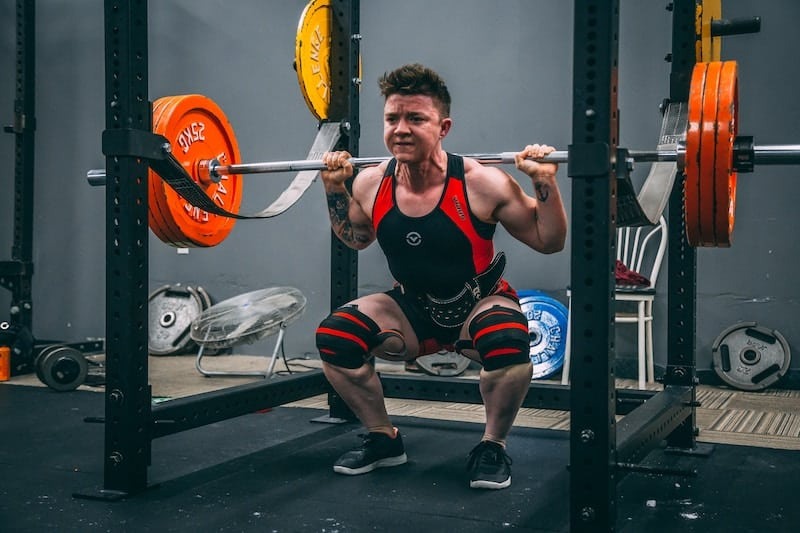
Often described as one of the most effective lower-body exercises, the barbell squat also requires careful attention to technique.
A strong squat begins with foot positioning. Feet should be about shoulder-width apart, with heels firmly planted on the ground. Driving upward through the heels helps maintain balance and prevents strain on the knees.
The movement should start at the hips, as though sitting into a chair. During the descent, knees should track outward in line with the toes rather than collapsing inward.
Maintaining a neutral spine is equally important. The chest should remain upright rather than leaning excessively forward, while the core and upper back stay engaged to support the weight safely.
While depth varies by individual flexibility and mobility, trainers generally recommend squatting only as far as the movement remains controlled and pain-free.
Correcting Common Bench Press Mistakes

The bench press is a staple of upper-body strength training, yet it is often performed incorrectly.
One frequent issue involves wrist positioning. Many lifters allow their wrists to bend backward under the bar, which can place unnecessary strain on the joint. Keeping the wrists neutral provides greater stability and strength.
The bar should also be lowered toward the mid-chest, rather than higher toward the shoulders. Bringing the bar too high can increase shoulder stress and raise the risk of injury.
Another key element is upper-body stability. Slightly arching the upper back and pulling the shoulder blades together helps protect the shoulders while creating a stronger pressing position. Throughout the lift, the feet and hips should remain firmly planted on the bench and floor.
Pull-Ups: Strength Through Control

Pull-ups are widely considered one of the most challenging bodyweight exercises, but they are also among the most effective for building upper-body strength.
The movement begins with a grip slightly wider than shoulder width, with palms facing away from the body.
As you pull upward, focus on driving the elbows down toward your sides, rather than simply lifting the chin toward the bar. This activates the back muscles more effectively.
Equally important is maintaining stable shoulder positioning. Shoulders should remain pulled back rather than rounded forward, while the torso stays controlled and upright throughout the movement.
For beginners, assisted pull-up machines or resistance bands can help build strength until performing full bodyweight pull-ups becomes possible.
Strength Built on Good Habits
Fitness professionals often remind athletes that progress in the gym is not just about heavier weights or longer workouts. It’s about building consistent habits that protect the body over time.
In an era where many people spend long hours sitting at desks or looking at screens, strength training can be a powerful tool for improving posture, mobility, and overall health. But the benefits only come when exercises are performed safely and effectively.
Focusing on technique today may feel slower, but it creates the foundation for stronger performance—and fewer injuries—in the long run.
Lift Smarter, Not Just Heavier: Why Exercise Form Matters for Strength and Injury Prevention