
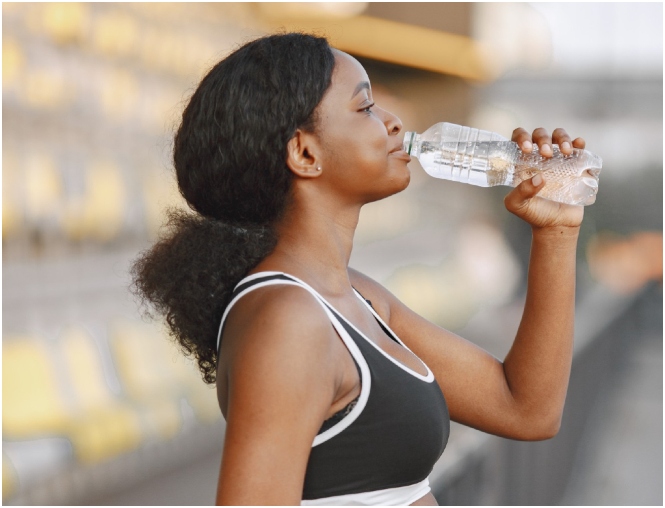
Plastic water bottles are ubiquitous—from gas stations and gyms to offices and picnics—but a growing number of wellness professionals are urging people to make the switch to reusable alternatives.
Beyond the obvious environmental toll, repeated use of single-use plastic bottles carries surprising risks to personal health, household budgets, and long-term sustainability.
Here are five compelling reasons to leave plastic bottles behind, backed by research and expert guidance:
- Hidden Health Risks from Chemical Leaching
Plastics can release endocrine-disrupting chemicals such as bisphenol A (BPA) and phthalates into water, especially when bottles are exposed to heat, sunlight, or repeated washing. Studies show these compounds may interfere with hormone function, reproductive health, thyroid activity, and child development. A 2022 Journal of Hazardous Materials study detected hundreds of potentially hazardous substances in water stored in reusable plastic bottles, with risks increasing under high temperatures (dishwashers, hot cars, or summer exposure). - Massive Environmental Damage
Globally, around 14 million tons of plastic enter oceans annually, with single-use water bottles a major contributor. In the U.S. alone, an estimated 50 billion plastic water bottles are used each month. Plastics take approximately 450 years to decompose, polluting landfills, soil, and food chains while harming marine life—seabirds, turtles, fish, and whales often ingest fragments, leading to injury, starvation, or death. Producing PET bottles also consumes vast amounts of fossil fuels, driving greenhouse gas emissions. - Significant Cost Savings Over Time
A single 16-ounce bottled water can cost $1–$2 at retail. Buying just ten bottles equals the price of a durable reusable bottle ($10–$20). Add a basic filtered pitcher ($20 or less) or a home reverse osmosis system ($300–$500), and filtered water becomes nearly free. Over one year, the average person could save hundreds of dollars while eliminating constant store runs. - Greater Convenience and Accessibility
A reusable bottle eliminates the need to hunt for plastic bottles during travel, workouts, or daily routines. Insulated stainless steel or filtered models keep water cold for hours and can purify questionable tap water on the go. Refill stations at grocery stores, gyms, and offices cost pennies per fill—far cheaper and more reliable than relying on convenience-store stock. - A Simple Step Toward Personal and Planetary Wellness
Switching supports sustainability, reduces personal exposure to microplastics and chemicals, saves money, and aligns with a mindful lifestyle. Wellness experts emphasize that small, consistent choices—like carrying a favorite reusable bottle—create meaningful impact without sacrificing convenience or enjoyment.
Experts recommend durable stainless steel, glass, or BPA-free alternatives with features like built-in filters or infusers for flavored hydration. Whether for health, the environment, or your wallet, the message is clear: reusable is the smarter, safer, and more sustainable choice.