
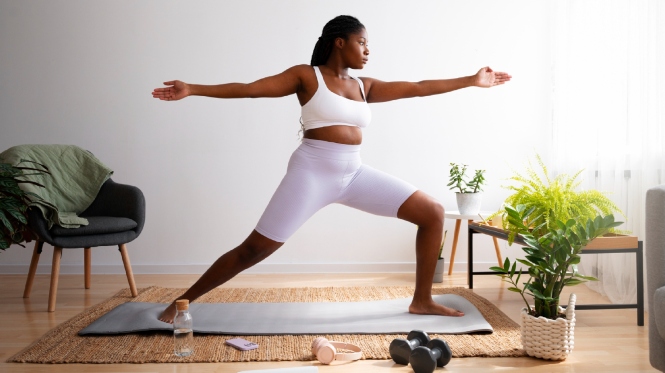
Balance is the unsung hero of movement — quietly keeping you upright during everyday tasks like walking, standing from a chair, or carrying groceries — and it plays a critical role in athletic performance and fall prevention.
As we age, or after injury or inactivity, balance naturally declines due to changes in proprioception (body-position awareness), vision, and the vestibular system in the inner ear. The good news: targeted exercises and habits can significantly restore and even enhance stability at any age.
Poor balance dramatically increases fall risk — the leading cause of fatal and non-fatal injuries among older adults — while strong balance reduces sports injuries and supports long-term mobility and independence. Experts emphasize that consistent practice yields measurable improvements in weeks to months.
Here are nine evidence-based strategies to build better balance:
- Prioritize Posture
Good posture aligns your head over shoulders and shoulders over hips, creating a stable foundation. Poor posture from prolonged sitting or phone use weakens this alignment. Daily mobility routines — shoulder rolls, cat-cow stretches, thoracic extensions — counteract slouching and improve spinal stability, directly enhancing equilibrium. - Strengthen Your Core
A strong core (abdominals, back, glutes, pelvic floor) acts as an anchor for the entire body. Planks, bird-dogs, bridges, and dead bugs build the deep stabilizers needed for dynamic balance. Core engagement helps you recover quickly from trips or shifts in weight. - Practice Mindful Movement
Activities like Tai Chi, yoga, and Qi Gong train body awareness and controlled weight shifts. Slow, deliberate movements heighten proprioception and vestibular input while reducing stress — a known balance disruptor. Even short “movement snacks” throughout the day build mindfulness and stability. - Incorporate Single-Leg Exercises
Standing on one leg (progress from 10–30 seconds), single-leg deadlifts, lunges, Bulgarian split squats, and step-ups challenge stability and strengthen ankle, knee, and hip stabilizers. Add light dumbbells or a medicine ball for progression. - Train on Unstable Surfaces
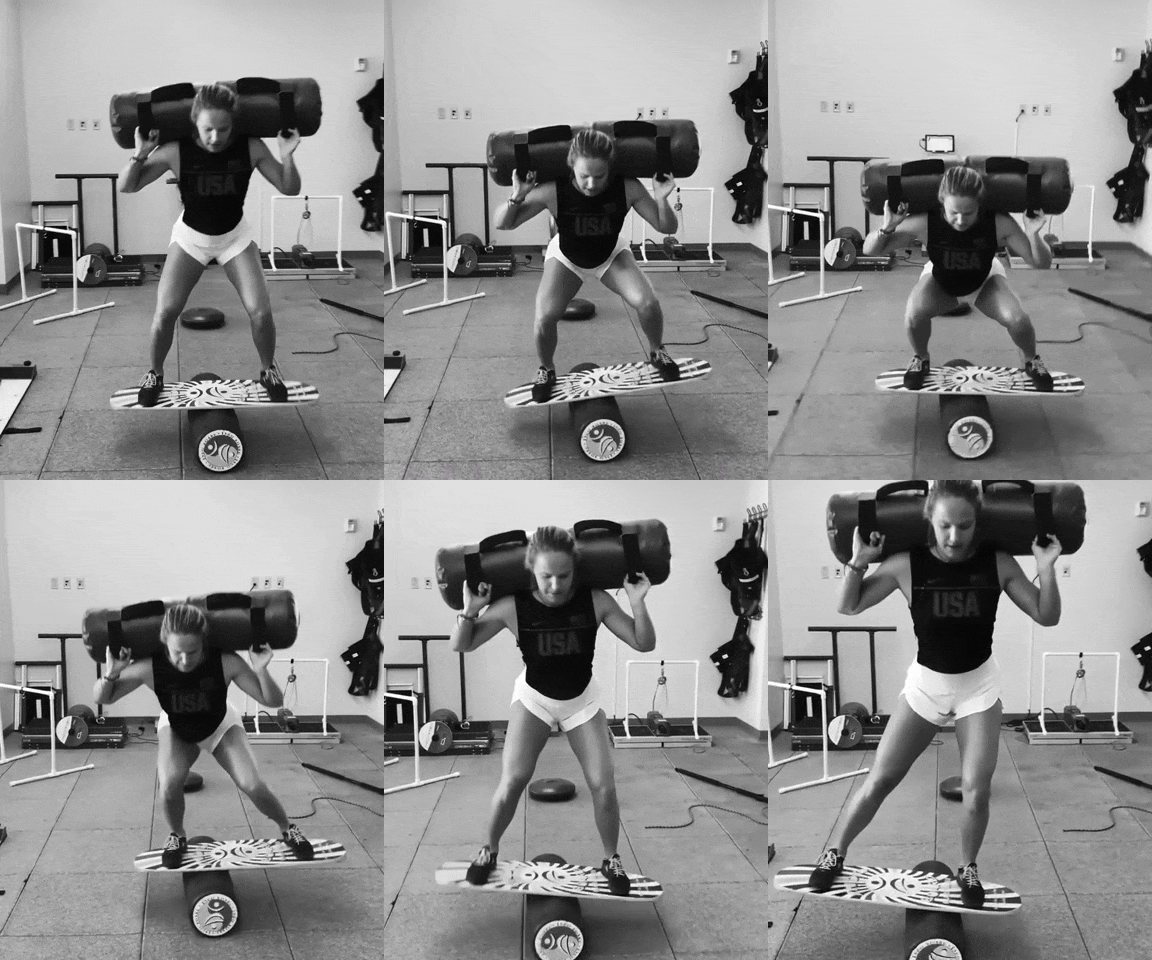
Balance boards, wobble cushions (e.g., Airex pads), Bosu balls, or exercise balls force your neuromuscular system to adapt constantly. Start with simple standing, then progress to squats, lunges, or catching/throwing a ball. These tools mimic real-world uneven terrain. - Choose Supportive Footwear
Shoes with good arch support, wide toe boxes, grippy soles, and stable heels improve ground feedback and reduce slip risk. For strength training, flat or weightlifting shoes enhance stability and bracing. Avoid overly cushioned or narrow shoes that dull proprioception. - Protect and Check Your Vision
Vision provides 70–80% of balance information. Regular eye exams (every 1–2 years after age 64) catch issues early. Corrective lenses, reduced glare, and good lighting at home and in gyms all support visual input for stability. - Stay Hydrated
Dehydration lowers blood pressure, disrupts inner-ear fluid balance, and causes dizziness or vertigo — directly impairing equilibrium. Aim for consistent water intake, especially before and during exercise or hot weather. - Build Consistency and Progression
Balance improves fastest with regular practice. Start with 5–10 minutes daily, progress difficulty (eyes closed, unstable surfaces, added weight), and combine static (standing still) and dynamic (moving) drills. Track progress — longer single-leg holds or fewer stumbles signal gains.
Improving balance is one of the most impactful things you can do for long-term health, injury prevention, and confidence in movement. Start small, stay consistent, and consult a physical therapist or trainer if you have existing conditions or recent falls.