
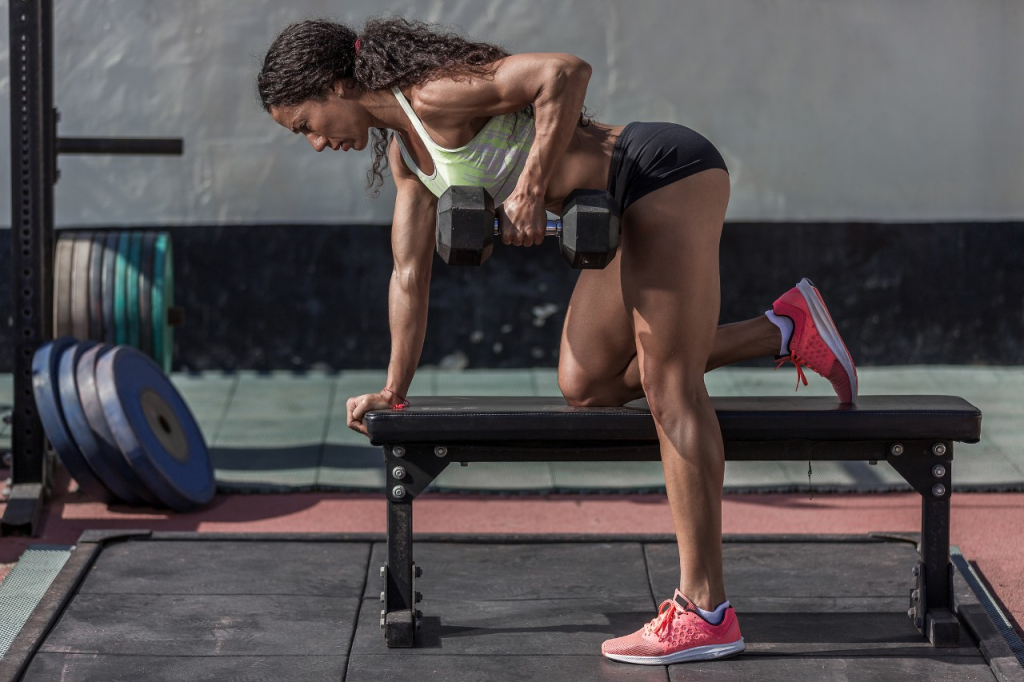
For decades, many women have been told that the ultimate fitness goal is to get smaller—smaller waist, slimmer arms, lighter weight on the scale. But health experts are increasingly challenging that idea. The real goal, they argue, should not be to shrink your body but to strengthen it. Muscle, it turns out, may be one of the most important investments women can make in their long-term health.
As women age, biological changes begin to affect muscle growth and strength. Understanding these changes—and responding to them with the right nutrition and exercise—can make a powerful difference not just in how the body looks, but in how it functions for decades to come.
Here are three key insights every woman should know about muscle, aging, and nutrition.
1. After 35, Muscle Growth Becomes Harder
Around the age of 35, the body’s natural signals for muscle growth begin to slow down. Hormonal changes, especially the gradual decline of estrogen, play a major role in this shift. The same workouts that once helped build or maintain muscle may no longer produce the same results.
This doesn’t mean muscle gain is impossible—it simply means the body requires a stronger stimulus. Resistance training, particularly exercises that challenge the muscles with progressive weight or intensity, becomes even more important with age.
For many women, this realization can be empowering. Instead of focusing on shrinking the body through restrictive dieting or endless cardio, strength training offers a way to build resilience and maintain physical capability over time.
2. Muscle Is Essential for Protecting Your Bones
One of the most overlooked benefits of muscle is its role in protecting the body during falls. Throughout life, most people experience occasional slips or falls. In youth or middle age, these incidents are often minor inconveniences.
But later in life, the story can be very different.
Without sufficient muscle strength and bone density, a fall in your 80s or 90s can lead to serious fractures, long hospital stays, or even life-threatening complications. Strong muscles act like a natural support system for the skeleton. They help stabilize joints, maintain balance, and absorb impact.
In simple terms, muscle helps keep you on your feet—and helps protect you if you aren’t.
3. Protein Plays a Critical Role in Building Muscle
Exercise alone cannot build or maintain muscle without the right nutritional support. Protein is especially important because it provides the amino acids the body needs to repair and grow muscle tissue.
As muscle-building signals weaken with age, getting enough protein becomes even more important. Including protein-rich foods in daily meals can support strength training efforts and help maintain lean muscle mass.
Globally, protein sources vary widely—from fish, eggs, and lean meats to beans, lentils, dairy, and plant-based options. The key is ensuring that meals regularly include a meaningful amount of protein to support the body’s repair processes.
The Bigger Picture
The message for women is simple but powerful: the goal should not be to become smaller, but stronger. Building and maintaining muscle supports bone health, improves stability, and helps the body stay resilient with age.
Strength training and adequate protein intake together create a foundation for lifelong mobility and independence. And while aesthetic goals may come and go, the ability to stay active, balanced, and strong is a benefit that lasts for decades.