
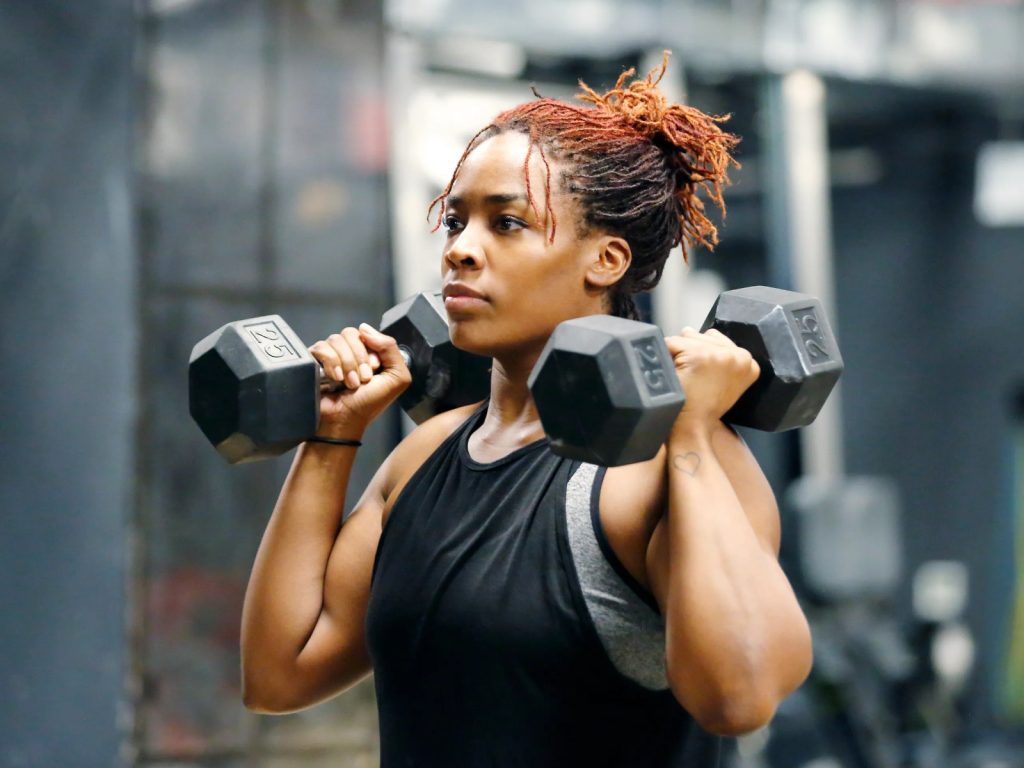
Most people hit the gym thinking about muscle, weight loss, or endurance. But there’s another benefit quietly happening beneath the surface: every squat, jump, and lift is also shaping the strength of your bones. And as doctors increasingly warn, maintaining bone density may be one of the most important long-term health investments you can make.
Bone density determines how strong your bones are and how resistant they are to fractures later in life. According to orthopedic specialist Susan Bukata of UC San Diego Health, bone density peaks around age 30 and can decline significantly after menopause, with women potentially losing up to 20% of bone mass in the five to seven years that follow.
The good news: the right type of exercise can help slow that decline—and even strengthen bones along the way.
1. Your Bones Get Stronger When You Challenge Them
Bones aren’t static structures. They are living tissue that constantly remodels itself in response to stress.
When you exercise, the pressure placed on your skeleton sends signals to bone-building cells. These cells respond by strengthening the areas that experience repeated stress.
That’s why impact activities such as walking, running, dancing, and stair climbing are particularly effective. They place gentle but consistent pressure on bones, encouraging them to rebuild and stay dense.
Fitness coach Jojo Kelly explains that many people misunderstand the role of impact exercise. Activities like jumping or running are often avoided out of fear they might damage joints, but in reality, they can stimulate healthy bone and cartilage growth when done correctly.
For people with sedentary jobs—common in today’s screen-heavy work culture—simply getting up and moving daily can make a meaningful difference.
2. Strength Training Sends a Powerful Signal to Build Bone
While cardio helps, resistance training delivers one of the strongest bone-building signals.
When you lift weights, muscles pull on the tendons attached to bones. That pulling force triggers bone remodeling, encouraging bones to grow stronger in the areas experiencing the load.
Experts recommend resistance training two to three times per week. Movements such as squats, deadlifts, presses, and rows engage multiple muscle groups and apply meaningful stress to the skeleton.
The goal isn’t extreme weight lifting—it’s progressive challenge. Starting with lighter weights and gradually increasing resistance over time helps the body adapt while reducing the risk of injury.
3. Consistency Matters More Than Perfect Workouts
You don’t need a complicated routine to support bone health. What matters most is regular movement.
Orthopedic specialists suggest aiming for at least 30 minutes of weight-bearing activity most days of the week. This could be brisk walking, climbing stairs, dancing, or recreational sports.
Layering strength training on top of daily movement creates a powerful combination: impact stimulates bone formation, while resistance builds strength and stability.
Maintaining a healthy weight and staying active are especially important later in life, when hormonal changes—particularly declining estrogen—can accelerate bone loss.
Stronger Bones Start with Everyday Movement
Bone loss is a natural part of aging, but it isn’t inevitable. Exercise, particularly weight-bearing and strength-based training, gives your body the stimulus it needs to maintain stronger bones for longer.
In other words, every step, lift, and jump isn’t just building fitness—it’s quietly investing in the strength that will support your body for decades.