
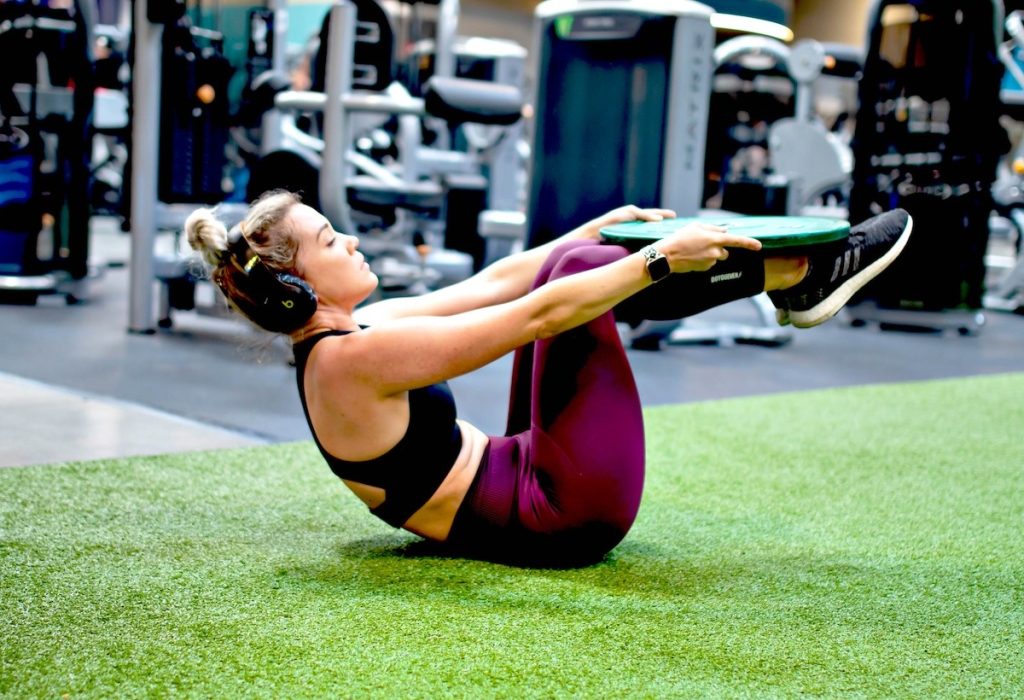
A strong core is often associated with six-pack abs, but its real value shows up in the small, everyday moments—lifting a bag of groceries, climbing stairs, or simply maintaining good posture at a desk.
The muscles at the centre of the body quietly power almost every movement we make. Strengthening them doesn’t just improve workouts; it can make daily life easier, safer, and more balanced.
The core is far more complex than the abdominal muscles alone. It includes the lower back, pelvic muscles, glutes, and even the diaphragm. Together, these muscles stabilize the spine, support movement, and help transfer power between the upper and lower body. For anyone building a fitness routine—from beginners to experienced athletes—focusing on core strength is one of the smartest places to start.
1. A Strong Core Is More Than Just Abs
Many people train their “abs” hoping for visible definition, but the core is actually a network of muscles that includes the back, pelvis, and hips. Key players include the rectus abdominis (the familiar “six-pack” muscle), the obliques that allow the body to twist and bend, and the transverse abdominis that wraps around the trunk to stabilize the spine.
Muscles in the lower back, such as the erector spinae and multifidus, also play a critical role. When these muscles work together, they improve posture, protect the spine, and support everyday movements like bending, lifting, and walking. In other words, core training isn’t just about appearance—it’s about building a stable, resilient body.
2. Start With Simple Movements That Build Stability
For beginners or anyone returning to exercise after a break, simple core movements are often the most effective starting point. Exercises such as bridges, crunches, toe taps, and the bird dog help activate multiple core muscles without putting excessive strain on the body.
The bridge strengthens the glutes and lower back while encouraging hip stability. Toe taps—often used in Pilates—engage the abdominal muscles with minimal pressure on the spine, making them a good option for people with back sensitivity. The bird dog, performed on hands and knees while extending opposite limbs, adds balance and coordination to the mix.
These foundational movements train the body to properly “engage” the core—tightening the muscles around the trunk to create stability before progressing to more challenging exercises.
3. Progress Gradually to Build Strength and Control
Once the body becomes comfortable with basic movements, intermediate and advanced exercises can take core strength further. The plank is a standout option because it recruits the entire body—from the shoulders and arms to the glutes and legs—while placing the core at the centre of the effort.
More dynamic movements, such as mountain climbers or side planks with rotation, introduce balance and coordination challenges that further activate the abdominal and back muscles. Advanced exercises like the Turkish get-up combine strength, mobility, and stability in a single full-body movement, making them popular among athletes and strength coaches.
The key is progression: mastering form and stability before increasing complexity or adding resistance.
A well-trained core is not built overnight, but the benefits reach far beyond the gym. With consistent practice, these muscles support better posture, reduce injury risk, and improve overall strength. Whether you are starting a fitness routine or refining an existing one, building a strong core is one of the most reliable ways to create a healthier, more capable body.