
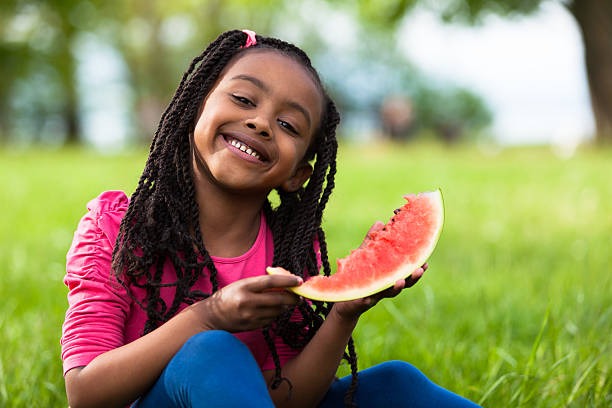
Across many Ghanaian homes, mornings can be a rush: uniforms to iron, traffic to beat, school gates to catch before they close. In that scramble, breakfast often becomes an afterthought, sometimes skipped entirely or replaced with something quick and sugary.
But emerging evidence is pointing to something deeper—what children eat, especially fruits and vegetables, may shape not just their physical health, but how they feel, think, and cope throughout the day.
It’s easy to focus on grades when we talk about school performance. Yet behind every report card is a child navigating emotions—stress, anxiety, confidence, focus.
Nutrition quietly plays a role in all of this. Fruits and vegetables, rich in vitamins and minerals, support brain function in ways many parents don’t immediately see. They help regulate mood, stabilize energy, and even influence how well a child handles pressure.
Think about the difference between a child who starts the day with koko and bread alone versus one who adds a banana or pawpaw on the side.
That small addition introduces fiber, natural sugars, and essential nutrients that keep energy levels steady instead of spiking and crashing. By mid-morning, that difference shows up—not just in attention span, but in patience, mood, and engagement.
The school environment also plays its part. For many children, lunch options lean heavily toward filling but low-nutrient foods. Incorporating simple changes—like including garden eggs, kontomire, or fresh fruit in school meals—can gradually reshape habits. It doesn’t require expensive imports; Ghana’s local markets are already rich with options.
What stands out is how everyday choices accumulate. A child who regularly eats fruits and vegetables isn’t just building a stronger body—they’re building a more resilient mind.
And in a time when conversations about children’s mental health are becoming more urgent, this connection feels especially important.
Food won’t solve every emotional challenge a child faces. But it can quietly strengthen their foundation. Sometimes, supporting a child’s well-being starts with something as simple as what’s on their plate.