
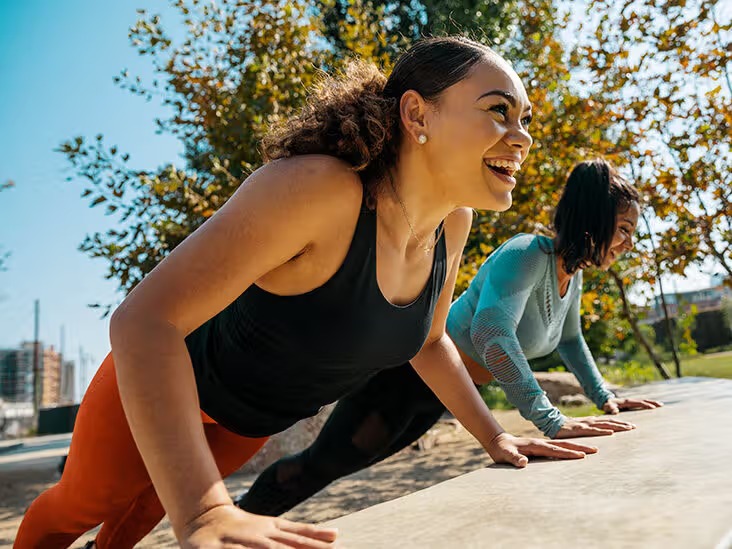
You feel it halfway up the stairs—the slight burn in your thighs, the pause you didn’t used to need. It’s not a lack of strength. It’s something quieter: endurance. The ability of your muscles to keep going, long after the first effort.
The Fitness Quality We Often Ignore
When people think about getting fit, they often picture lifting heavier weights or building visible muscle. But muscular endurance—the capacity to repeat movements over time—is what truly supports everyday life.
It’s what helps a market trader stand for hours, a parent carry a child through a busy afternoon, or a commuter navigate long days in cities like Accra.
Unlike pure strength, which is about how much force you can produce once, endurance is about how long you can sustain it. And as modern lifestyles become more sedentary, this quality is quietly declining for many people.
Why It Matters More Than You Think
Muscular endurance sits at the intersection of fitness and health. It supports posture—keeping you upright during long workdays—and reduces the risk of injuries caused by fatigue.
It also plays a role in how efficiently your body uses energy, influencing circulation and even heart health.
The surprising part? You don’t need intense gym sessions to build it. In fact, endurance grows through repetition, patience, and consistency. Think higher reps, shorter rest, and movements that challenge your muscles to stay active longer—like holding a plank or doing multiple rounds of squats.
For many in Ghana, daily routines already include physical effort. But these activities are often uneven—short bursts of work followed by long periods of rest. Structured endurance training fills that gap, strengthening muscles in a balanced, controlled way.
Building Staying Power, One Rep at a Time
Improving muscular endurance is less about pushing limits and more about extending them. It could be as simple as adding a few extra repetitions to your routine or holding a position just a little longer each week.
There’s also a mental shift involved. Endurance teaches patience. You learn to sit with discomfort, to breathe through effort, and to trust that your body can keep going.
And that’s the real reward—not just stronger muscles, but a body that supports you through the demands of daily life without hesitation.