
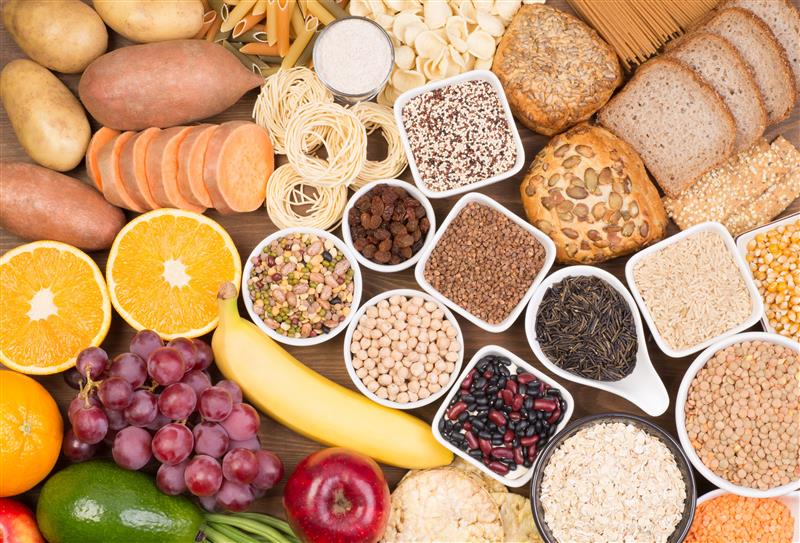
The idea sounds almost absurd at first: eating more fruits and vegetables—long praised as the cornerstone of good health—might somehow be linked to Lung Cancer.
Yet a recent early-stage study has stirred exactly that conversation, raising a deeper question that matters far beyond the headline: what else is coming along with our “healthy” food?
When Healthy Choices Meet Hidden Risks
For decades, nutrition advice has been clear—eat more plant-based foods, and your body will thank you. And in most cases, it does. Diets rich in fruits, vegetables, and whole grains are strongly associated with lower risks of heart disease, digestive cancers, and overall mortality.
But the emerging concern isn’t about the food itself. It’s about exposure—specifically, to pesticides that can linger on produce.
While the study in question is small and far from conclusive, it taps into a broader, ongoing discussion in public health: how environmental factors shape disease patterns, especially among people who don’t fit traditional risk profiles like smokers.
In places like Ghana, where fresh produce is a daily staple—from market tomatoes to garden-grown kontomire—the issue takes on a different texture.
Many consumers rely on open-air markets and smallholder farms, where pesticide regulation and awareness can vary widely. It’s not unusual to see fruits sold straight from the farm, sometimes without thorough washing before consumption.
Practical Steps Without Panic
The takeaway isn’t to fear your salad. Experts remain clear: fruits and vegetables are still essential for good health. What matters is how we handle them.
Simple habits go a long way. Washing produce under running water, rubbing surfaces gently, and peeling when appropriate can reduce residues.
Buying from trusted local farmers—or even growing your own vegetables in a backyard garden—adds another layer of confidence.
There’s also a growing conversation about food systems. Reducing pesticide exposure isn’t just a consumer issue; it’s tied to how food is produced, regulated, and distributed. For many countries, balancing agricultural productivity with public health remains a work in progress.
The Bigger Picture
Health isn’t shaped by one choice alone. It’s a mix of diet, environment, genetics, and daily habits. This new research doesn’t rewrite decades of nutrition science—but it does remind us to look a little closer at what’s on our plate, and how it got there.
Sometimes, the goal isn’t to change what we eat—but to understand it better.