
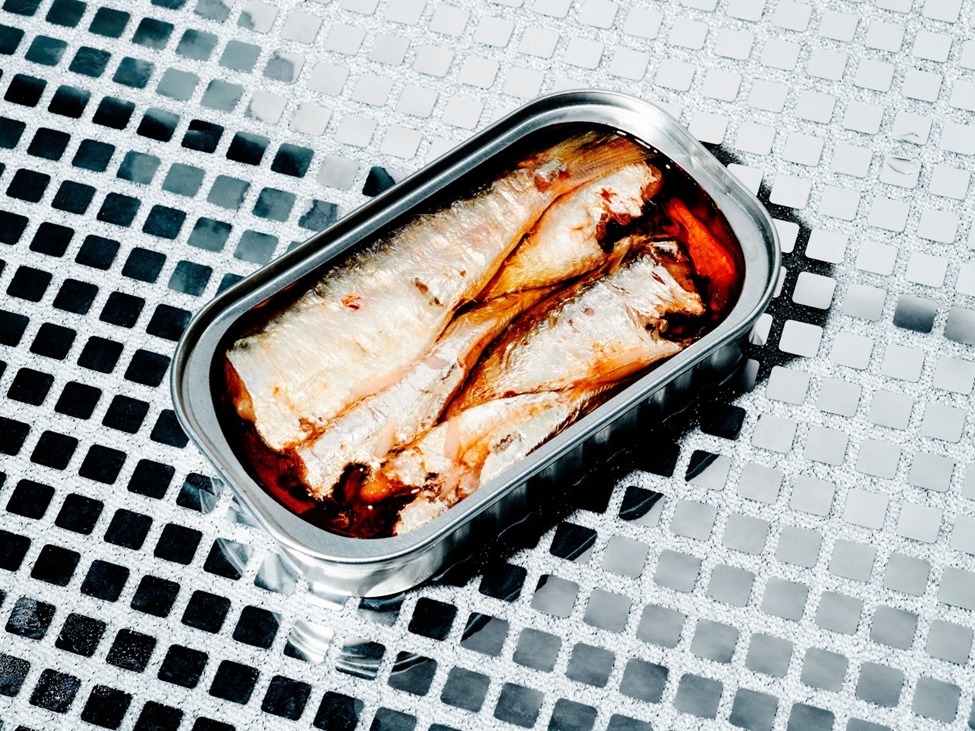
If you’re scrolling through TikTok lately, you might notice something unexpected: the humble tin of sardines is having a high-fashion makeover. Once relegated to the back of a grandmother’s pantry or served as a budget-friendly snack, these small, oily fish are now being rebranded as “nature’s Botox.”
The viral trend—fueled by influencers promising “glass skin” and a dewy, translucent complexion—has elevated sardines to the status of a super-food. But while the internet loves a “quick fix” beauty hack, the science behind the sardine obsession is far more nuanced than a three-day transformation.
The Science of the Glow
The primary reason sardines are a skincare powerhouse lies in their high concentration of Omega-3 fatty acids, specifically eicosapentaenoic acid (EPA) and docosahexaenoic acid (DHA). These are essential fats the human body cannot produce on its own.
“These are anti-inflammatory fats that modulate inflammation and may help reduce collagen damage resulting from UV exposure,” explains Anthea Levi, MS, RD. In essence, sardines act as an internal shield. They won’t necessarily reverse the wrinkles you already have, but they provide a “preventative mechanism” that keeps skin from looking worse by fighting off the cellular damage caused by the sun and environmental pollutants.
Why Sardines specifically?
While salmon and mackerel are also excellent sources of Omega-3s, dermatologists point out that sardines offer a uniquely potent “delivery mechanism.” Because they are small and sit low on the food chain, they have a higher concentration of these beneficial oils with lower risks of mercury compared to larger predators.
For the modern urbanite—balancing long hours in air-conditioned offices that strip skin of moisture and the intense UV rays of the Ghanaian sun—the anti-inflammatory benefits are particularly relevant. Beyond aesthetics, sardines support heart health, cognitive function, and even wound healing.
The Catch: How Much is Too Much?
Despite the “looksmaxxing” claims on social media, the dosage required to see a visible change in UV defense is surprisingly high. Clinical data suggests a daily intake of five grams of fatty acids for nearly three months is necessary to move the needle.
“That translates to roughly five tins of sardines a day,” notes Dr. Shira Wieder, a dermatologist at Montefiore Einstein. This is where the trend hits a wall. Consuming five tins daily introduces a massive amount of sodium and purines, which can strain the heart and trigger conditions like gout. Furthermore, the skin cell turnover process takes weeks, meaning the “overnight glow” touted by influencers is likely a placebo effect.
A Sustainable Beauty Routine
The takeaway for the health-conscious reader is one of balance. You don’t need to eat five tins a day to reap the rewards. Incorporating two to three servings of sardines or other fatty fish per week provides a solid foundation for skin and heart health without the risks of excessive salt.
Ultimately, sardines are a powerful tool in your wellness kit, but they aren’t a replacement for sunscreen or a well-rounded diet. Treat them as a “multivitamin in a tin”—a nutrient-dense addition to your life that supports your glow from the inside out.