
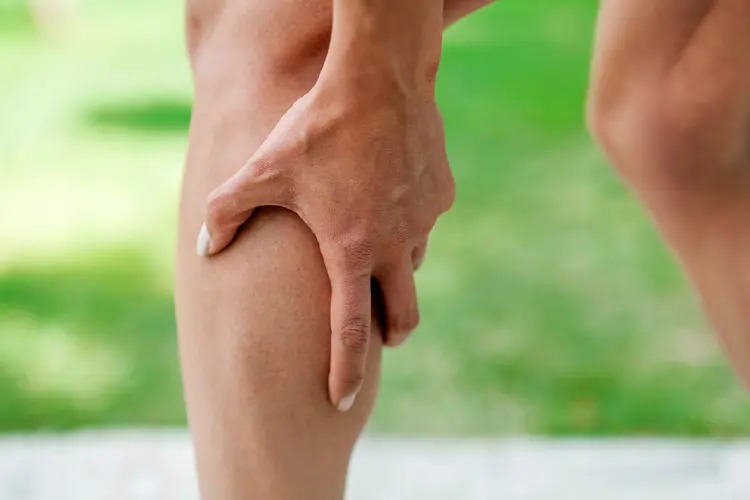
It usually strikes without warning—a sudden, sharp tightening in your calf that jolts you awake at night or stops you mid-step during a walk. For a few seconds, maybe longer, the muscle refuses to listen. Muscle cramps may be brief, but they have a way of getting your full attention.
For many people, especially in warm climates like Ghana, cramps are often less about injury and more about what’s happening beneath the surface. Dehydration is a quiet but common trigger.
When your body loses fluids through heat, sweating, or long days without enough water, your muscles struggle to function smoothly. Add low levels of key minerals like potassium or calcium, and the chances of cramping increase.
But hydration is only part of the story. Modern routines play a role, too. Long hours seated at a desk, in traffic, or even binge-watching can leave muscles stiff and underused. Then suddenly, when you ask them to move—whether it’s a quick run, a football game, or even stretching in bed—they protest.
The good news is that relief doesn’t require complicated solutions. The simplest response—stretching—remains one of the most effective. Gently lengthening the cramped muscle signals it to relax. Follow that with a light massage, and you encourage blood flow back into the area. Many people find comfort in warmth, whether it’s a hot shower or a warm towel pressed against the muscle. Later, a cold compress can help settle lingering soreness.
Prevention, though, is where the real power lies. Drinking enough water throughout the day sounds obvious, but it’s often overlooked. Pair that with regular movement—standing, walking, stretching—and your muscles stay more responsive. Even a short stretch before bed can reduce those frustrating nighttime cramps.
There’s also value in paying attention to patterns. Frequent cramps can sometimes point to deeper issues like nutrient deficiencies, stress, or circulation problems. Your body has its own way of signaling when something is off.
A muscle cramp may last only moments, but it’s a reminder worth noticing. Sometimes, the body isn’t just reacting—it’s asking for better care, one small habit at a time.