
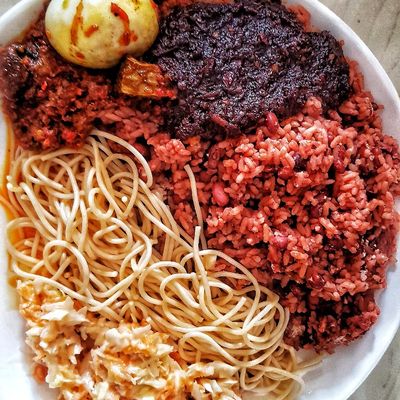
Somewhere along the way, we decided that looking good meant saying goodbye to banku. We started believing that the road to weight loss was paved with lettuce and sadness. If you want to be slim, you have to abandon the food that reminds you of your mother’s kitchen.
That is a lie. And it is a lie that has made a lot of us miserable.
The truth is harder to hear but easier to live with: your comfort food is rarely the enemy. The real problem is hiding in the pot next to it.
The Innocent Plate
Let us look at waakye. Rice and beans. If you wrote that down on a diet chart, any nutritionist in the world would nod their head. Fiber from the beans. Energy from the rice. It is a complete meal. The same goes for tuo zaafi. Fermented corn. Easy to digest. Or kenkey. Fermented corn dough. Probiotics before we knew the word existed.
Our grandmothers ate these things. They walked everywhere, worked hard, and did not worry about “belly fat” the way we do. So what changed?
The Real Culprits
It is not the waakye. It is the heaping spoonful of palm oil stew you pour on top. It is the three pieces of shallow-fried plantain sitting on the side, glistening. It is the extra egg fried in oil, the wele (cow skin) swimming in gravy, and the synthetic seasoning cube crumbled in for “flavor.”
We took a perfectly good plate of beans and rice and turned it into a oil delivery system.
Same with fufu. Goat light soup is not the enemy. Goat light soup is actually hydrating, protein-rich, and packed with tomatoes and pepper that fire up your metabolism. The problem is when you eat until you cannot move, or when the soup is thickened with too much dawadawa powder and salt.
The Grandmother Test
Here is a simple way to check your plate. Ask yourself: would my grandmother recognize this?
If she would look at your bowl of jollof and see rice cooked in oil with blended peppers and a little meat for flavor, you are probably fine. If she would look at your plate and see rice drowning in oil with three different fried meats and a mound of spaghetti on the side, she would tell you that you have lost the plot.
Our ancestors ate to fuel movement. We eat to feel full. There is a difference.
What to Do About It
Nobody is asking you to eat boiled chicken and steamed broccoli for the rest of your life. That is not living. But you can try small adjustments.
When you buy waakye tomorrow, ask for less stew. Take one piece of plantain instead of three. Drink water instead of a sugary drink. You will still taste the things you love. You will just taste them clearly, without the oil getting in the way.
The Conclusion
The war on “African food” is misguided. It blames the victim while letting the real offender walk free. Your banku, your kenkey, your beans and rice—they are not the reason your clothes feel tight. The oil, the portions, the sugar hiding in your drinks and stews—those are the things adding weight while stealing flavor.
Eat the food you love. Just cook it the way it was meant to be cooked. Your grandmother knew what she was doing. It is time we remembered.