

For decades, eggs wore a scarlet letter. Demonized for their cholesterol content, they were pushed to the margins of breakfast tables by health warnings that now appear to have been significantly overstated.
As cardiovascular disease remains the leading cause of death worldwide, the question of what we put on our plates has never been more urgent—and few foods have been as misunderstood as the humble boiled egg.
Here is what modern nutritional science actually reveals about starting your day with this protein-packed staple.
The Cholesterol Myth That Wouldn’t Die
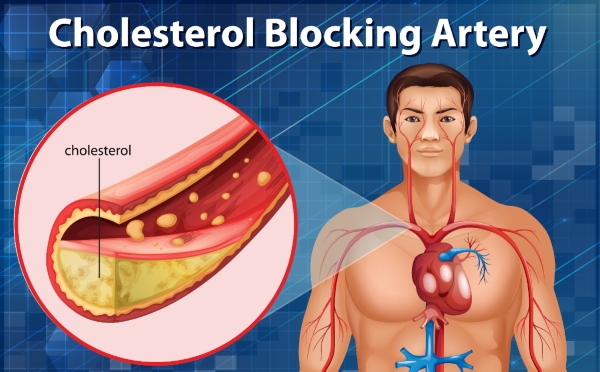
One large boiled egg contains approximately 186 milligrams of cholesterol, concentrated primarily in the yolk. For years, the logic seemed straightforward: eat cholesterol, raise blood cholesterol, increase heart disease risk.
But the human body, it turns out, is more sophisticated than early nutritional models assumed.
“Your liver produces most of your cholesterol,” explains contemporary research. When you consume more dietary cholesterol, your liver simply produces less to compensate. For approximately 75 percent of people, dietary cholesterol has minimal impact on blood cholesterol levels.
The 2015-2020 Dietary Guidelines for Americans officially dropped the previous recommendation to limit dietary cholesterol to 300 milligrams daily, acknowledging that “available evidence shows no appreciable relationship between consumption of dietary cholesterol and serum cholesterol” .
What Boiled Eggs Specifically Offer the Heart
Unlike their fried counterparts, boiled eggs require no added fats during preparation. This distinction matters significantly for heart health:
No added oils or butter – You receive the egg’s complete nutritional profile without extra saturated fat or calories from cooking oils.
Perfect portion control – One or two boiled eggs provide exactly the serving size consistently recommended by cardiologists.
Nutrient retention – Gentle boiling preserves heat-sensitive nutrients better than high-heat frying methods.
The Nutritional Profile That Surprises
A single large boiled egg delivers:
| Nutrient | Amount | % Daily Value |
|---|---|---|
| Protein | 6.3 g | 13% |
| Total fat | 5.3 g | 7% |
| Saturated fat | 1.6 g | 8% |
| Cholesterol | 186 mg | 62% |
| Vitamin D | 44 IU | 11% |
| Vitamin B12 | 0.6 mcg | 25% |
| Riboflavin | 0.3 mg | 23% |
| Selenium | 15.4 mcg | 28% |
| Choline | 147 mg | 27% |
The standout nutrient is choline—essential for brain health, nerve function, and metabolism. Eggs rank among the best dietary sources of this critical compound, with a single egg providing more than one-quarter of daily requirements.
What Large-Scale Research Actually Demonstrates

Multiple major studies have reshaped medical understanding of eggs and cardiovascular health:
The 2020 JAMA Study examined data from nearly 30,000 adults over 31 years and found that moderate egg consumption—up to one egg daily—was not associated with increased cardiovascular risk in healthy individuals.
The 2018 American Journal of Clinical Nutrition Review analyzed 28 studies and concluded that egg consumption bears no association with increased risk of coronary heart disease or stroke in the general population.
The 2023 Prospective Urban Rural Epidemiology (PURE) Study followed 177,000 individuals across 50 countries, finding that egg consumption was actually associated with lower rates of cardiovascular disease and death.
The China Kadoorie Biobank Study tracked half a million adults for nearly nine years and discovered that daily egg consumers had a 26 percent lower risk of hemorrhagic stroke and a 28 percent lower risk of cardiovascular death compared to non-consumers.
Beyond Cholesterol: How Eggs Actually Affect Heart Health
Modern understanding has moved far beyond simple cholesterol counting. Eggs appear to influence cardiovascular health through multiple mechanisms:
HDL cholesterol elevation – Multiple studies demonstrate that egg consumption increases high-density lipoprotein—the “good” cholesterol that helps remove excess cholesterol from the bloodstream.
Improved LDL particle size – Not all LDL cholesterol poses equal risk. Small, dense LDL particles prove more dangerous than large, fluffy ones. Egg consumption appears to shift LDL toward the larger, less harmful variety.
Satiety without extras – The protein and healthy fats in eggs keep you full without requiring cheese, bacon, or other high-sodium additions that genuinely threaten heart health.
Who Should Exercise Caution?
While eggs benefit most individuals, certain populations warrant specific consideration:
People with diabetes – Some studies suggest a more complex relationship between egg consumption and heart disease in individuals with type 2 diabetes. Healthcare provider consultation is advisable.
Those with existing heart disease – Patients with diagnosed cardiovascular conditions may receive recommendations to limit egg yolks while consuming egg whites freely.
Individuals with familial hypercholesterolemia – This genetic condition causes extremely high cholesterol regardless of dietary choices. Egg intake should be discussed with specialists .
“Hyper-responders” – Approximately 25 percent of people experience more significant blood cholesterol elevation with dietary cholesterol consumption. If you fall into this category, moderation remains wise .
How Many Eggs Can You Safely Eat?
The American Heart Association now states that healthy adults can enjoy up to one whole egg daily as part of a heart-healthy eating pattern.
For older adults with normal cholesterol, some studies suggest two eggs per day prove perfectly safe while providing valuable protein and nutrients.
The evidence-based sweet spot appears to be one to two boiled eggs most days of the week, prepared without added saturated fat, accompanied by vegetables and whole grains.
The Heart-Healthiest Preparation Methods
Optimal approaches:
- Soft-boiled – Gentle cooking preserves heat-sensitive nutrients
- Served with vegetables – Pair with spinach, tomatoes, or avocado
- On whole-grain toast – Added fiber helps manage cholesterol
- With a side of berries – Antioxidants complement egg nutrition
What to avoid:
- Excessive salt – High sodium poses genuine heart risk
- Butter additions – Your egg already contains healthy fats
- Unhealthy pairings – Bacon, sausage, and processed meats represent the real dietary villains
A Sample Heart-Healthy Egg Breakfast
The Mediterranean Egg Breakfast:
- 2 soft-boiled eggs
- 1 slice whole-grain toast
- ½ avocado, sliced
- Handful of cherry tomatoes
- Fresh herbs (parsley, chives)
- Black pepper and minimal sea salt
This combination delivers healthy fats, fiber, protein, and antioxidants—a complete, heart-supporting meal.
Common Myths, Finally Debunked
Myth: “Egg whites are healthier than whole eggs.”
Truth: The yolk contains most nutrients. Protein distributes roughly equally between white and yolk, but the yolk holds the vitamins, minerals, and healthy fats. Discarding the yolk means discarding most nutritional value.
Myth: “Brown eggs are healthier than white eggs.”
Truth: Shell color reflects hen breed, not nutritional content. Nutrition remains identical.
Myth: “Eggs are bad for your cholesterol.”
Truth: For most people, dietary cholesterol minimally impacts blood cholesterol. Saturated and trans fats constitute the genuine concern.
Myth: “You should never eat eggs if you have high cholesterol.”
Truth: Many individuals with high cholesterol can still enjoy eggs in moderation. Medical guidance should determine individual recommendations.
The Bottom Line
Boiled eggs rank among the most nutritious, convenient, and heart-friendly breakfast choices available. For the vast majority of people, daily egg consumption proves not merely safe but genuinely beneficial.
The yolk stays. The bacon goes. The vegetables join.
This represents the modern, evidence-based approach to eggs and heart health—simple, delicious, and supported by decades of evolving nutritional science .