
Walking into a community fitness centre in Accra recently, a bright pop-up banner stopped me cold. It read: “Juice Boxes. Not worth the squeeze. 1 box = 10 chocolate candies.” Beside it, ten chocolate kisses sat next to a small juice box. I assumed the banner was exaggerating. It wasn’t.
That single juice box—the kind marketed to parents as a healthy lunchbox addition—contains about 20 grams of sugar. That’s five teaspoons. Even a tiny 4.26-ounce box of 100% juice with no added sugar packs 16 grams, or four teaspoons.
For context, the World Health Organization recommends capping daily added sugar at roughly six teaspoons. One small drink gets you most of the way there. No wonder researchers have started calling fruit juice “liquid candy.”
The 22-Teaspoon Reality
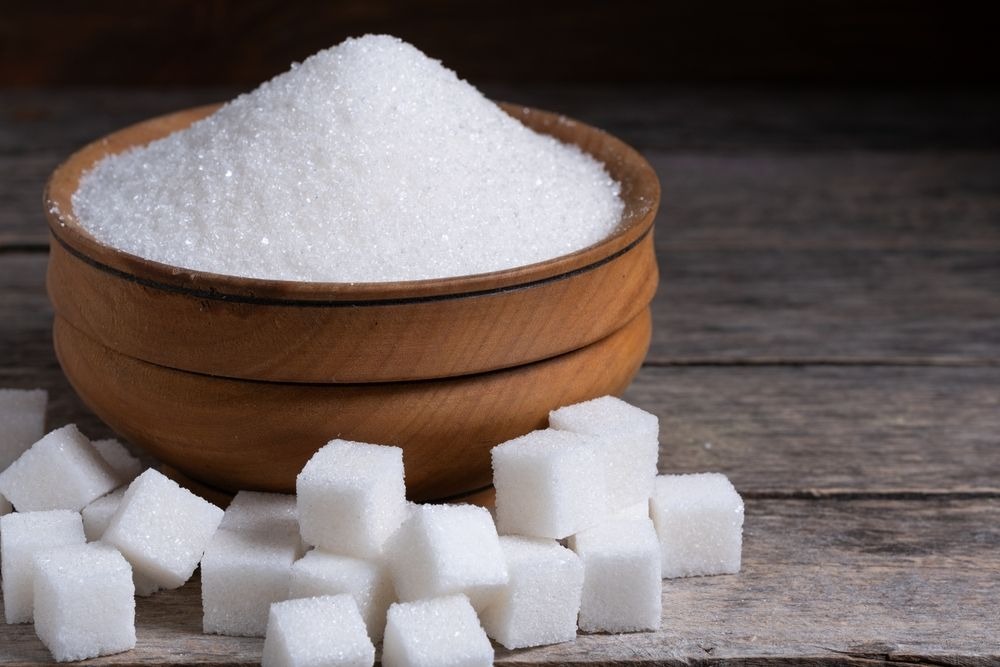
Globally, sugar has quietly become one of the most overconsumed ingredients in modern diets. The average American, for example, takes in about 22 teaspoons per day—more than three times the recommended limit.
And while Ghana’s consumption patterns differ, the spread of packaged juices, sweetened yoghurts, and breakfast cereals means no country is immune.
The damage is well documented. Excess sugar is linked to obesity, type 2 diabetes, fatty liver disease, high blood pressure, heart disease, gout, and even certain cancers. It also affects how you age.
A study from Leiden University Medical Center and Unilever found that people aged 50–70 with higher blood glucose levels looked significantly older than their peers with lower levels.
The Hunger Trick
Perhaps most insidious is sugar’s effect on appetite. Research from Yale School of Medicine shows that fructose—a key component of both table sugar and high-fructose corn syrup—can actually stimulate food-seeking behaviour.
Translation: the more sugar you eat, the hungrier you feel. Not just for more sugar, but for food in general. It’s a cycle designed to fail.
Dr. Robert Lustig, a paediatric neuroendocrinologist at UCSF, puts it bluntly. “High-fructose corn syrup and sucrose are exactly the same.
They’re equally bad,” he says. He argues that excess sugar drives fat storage while simultaneously tricking the brain into thinking the body is starving.
How to Cut Back Without Misery
So what actually works? First, ignore the marketing. A juice box is not a health food. Reach for a whole orange instead. Second, become a label detective.
Sugar hides in granola bars (some have 25 grams—a full day’s worth), salad dressings, ketchup, barbecue sauce, yoghurt, and frozen meals. Look for words ending in “-ose” (sucrose, dextrose) and syrups like molasses or brown rice syrup. Third, try healthier alternatives. Use stevia or dates to sweeten homemade treats. For daily cravings, a piece of fruit or a handful of raw almonds works better than any packaged snack.
Finally, give it time. After a 21-day no-added-sugar challenge, I found my energy improved—and sweet desserts started tasting sickeningly sweet. Your taste buds adapt faster than you think. And that’s the real win.